The key facts
- Estonia is closing all border crossing points with Russia from December 1 — the decision was announced by Foreign Minister Margus Tsahkna
- The trigger was a failed arson attempt in the night of November 14 at the defense company Threod Systems, which produces drones
- Estonia's Internal Security Service confirmed the attack was ordered by the GRU; eight Latvian citizens have been detained
Tallinn's decision and its trigger
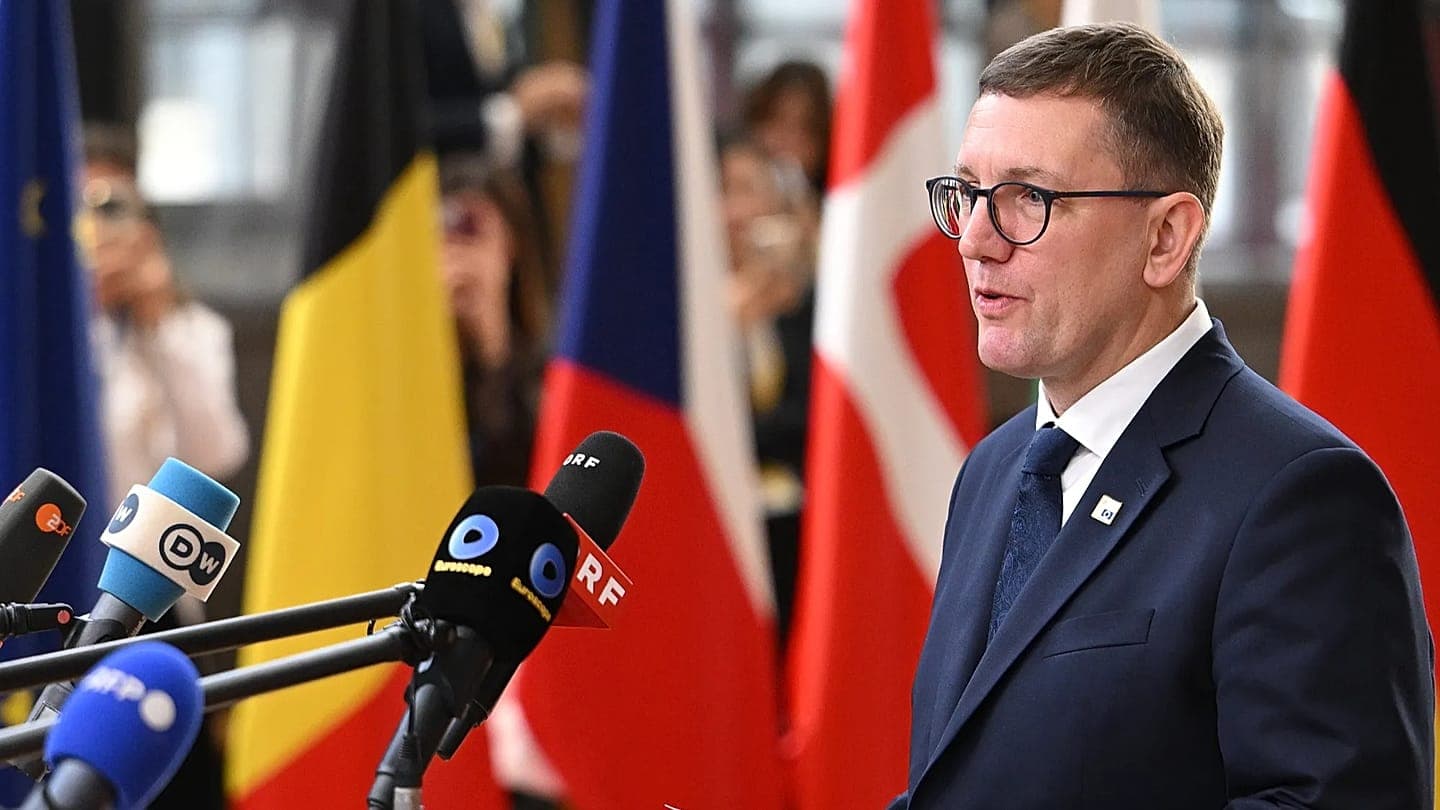
Estonia is closing all border crossing points with Russia from December 1. The country's Foreign Minister Margus Tsahkna announced this on his account on the social network X, explaining the decision by a 'failed sabotage attempt against an Estonian defense industry company.' According to him, the authorities of Finland, Latvia and Lithuania have been informed of the measure taken.
Arson at the drone company and detentions
We are talking about an attempted arson in the night of November 14 at Threod Systems, a company that produces drones, aerial reconnaissance and surveillance systems, as well as equipment for target detection and tracking. The company's products are used in 32 countries, including Ukraine and NATO states. Estonia's Internal Security Service confirmed that the attack was ordered by the Russian military intelligence agency, the GRU. The country's Prosecutor General Astrid Aasio announced that eight Latvian citizens have been detained on suspicion of involvement in the arson; according to Tsahkna, the suspects have been taken into custody and criminal proceedings are underway.
Statements by the authorities
'Russia must understand that hostile actions against Estonia have consequences. Attempts to intimidate, destabilize or undermine our security will not go unanswered,' Tsahkna wrote, adding that the country will continue cooperation with international partners to identify and bring to justice those who threaten its security. Prime Minister Kristen Michal previously stated that the government is preparing for a possible closure of the border with Russia, calling such measures necessary to reduce risks to the population and national security, and characterized the incident itself as part of a 'large-scale hybrid war' against Europe.