The key facts
- HMS Vengeance spent 217 days underwater — longer than any British vessel before; the previous record was 205 days, set by HMS Vanguard in April
- The typical length of patrols by Vanguard-class submarines has grown from three months to six due to a shortage of seaworthy vessels
- The return was delayed: the submarine relieving the boat returned to base to fix a technical fault
Record patrol ends at Faslane
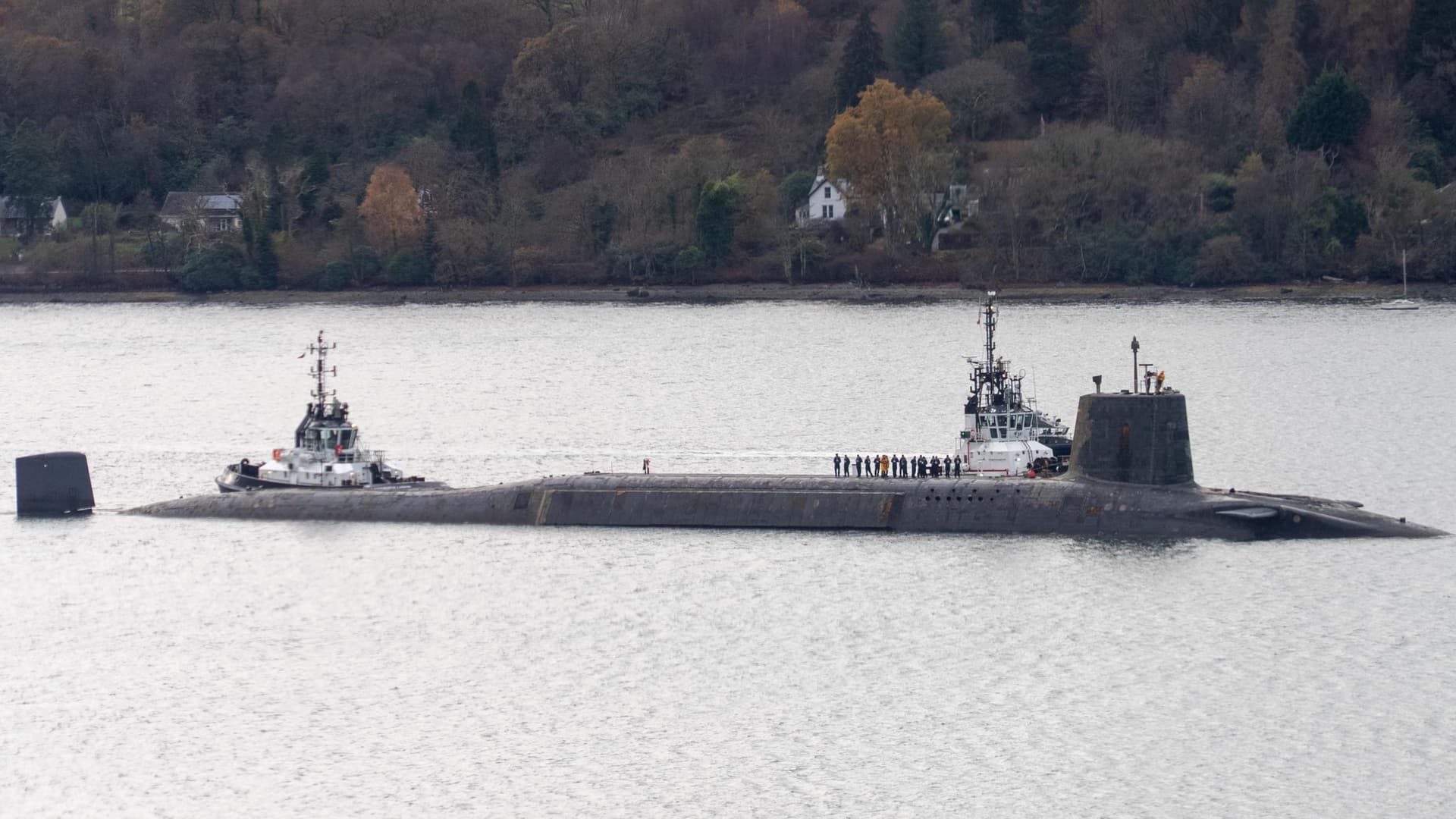
The British submarine HMS Vengeance, carrying Trident ballistic missiles, has returned to HM Naval Base Clyde (Faslane) near Helensburgh in Scotland after 217 days of continuous time underwater — the longest sea deployment in the history of the Royal Navy. The submarine set out on patrol on 12 April, and its crew of 140 spent the entire time in near-total isolation. Defence Secretary Wes Streeting arrived to greet the sailors. BBC News reported this.
Why patrols have become so long
The record is a vivid illustration of a problem discussed by both the military and politicians. The typical length of patrols by Vanguard-class submarines, previously around three months, has more than doubled in recent years: six-month deployments have become routine due to a shortage of seaworthy vessels. HMS Vanguard's refit at the Devonport dockyard in Plymouth took seven years, while HMS Victorious is currently in dry dock undergoing 'deep maintenance' costing £560 million, which began in 2023. Only Vengeance, Vigilant and Vanguard remain in service.
Delayed return and the minister's words
The submarine was expected to return last weekend, but, according to reports, the return was delayed: the submarine relieving Vengeance on deterrence duty had to return to base to fix a technical fault. The head of the Navy, First Sea Lord Sir Gwyn Jenkins, praised submariners last week at a conference in Oslo for their contribution to NATO security, but said that Britain must do better at keeping the fleet serviceable. Streeting admitted that he finds it 'hard' that crews are serving longer than planned, but stressed that the whole country can be proud of the submariners and the nuclear deterrent. According to him, the programme to build new Dreadnought-class submarines, which are to begin replacing the Vanguard class in the early 2030s, is on schedule.
What continuous deterrence means
Since 1969, Britain has continuously kept at least one ballistic missile submarine at sea — this is the principle of 'nuclear deterrence': the ability to strike back in the event of an attack. The four Vanguard-class submarines, 150 m long, can carry up to 16 Trident missiles, each capable of delivering several warheads, many times more powerful than the bomb dropped on Hiroshima in 1945. To avoid detection, the submarines remain underwater and in radio silence for the entire patrol, receiving coded messages via a floating antenna or buoys. Contact with home is limited to 'Familygrams' — messages of up to 120 words once a week, with no right of reply. The Vanguard-class submarines were built in the 1990s with a designed service life of 25 years, but must now serve up to 40 years. The BBC notes that the length of patrols by Russian or Chinese submarines is unknown, but most navies are believed to send vessels on significantly shorter deployments.
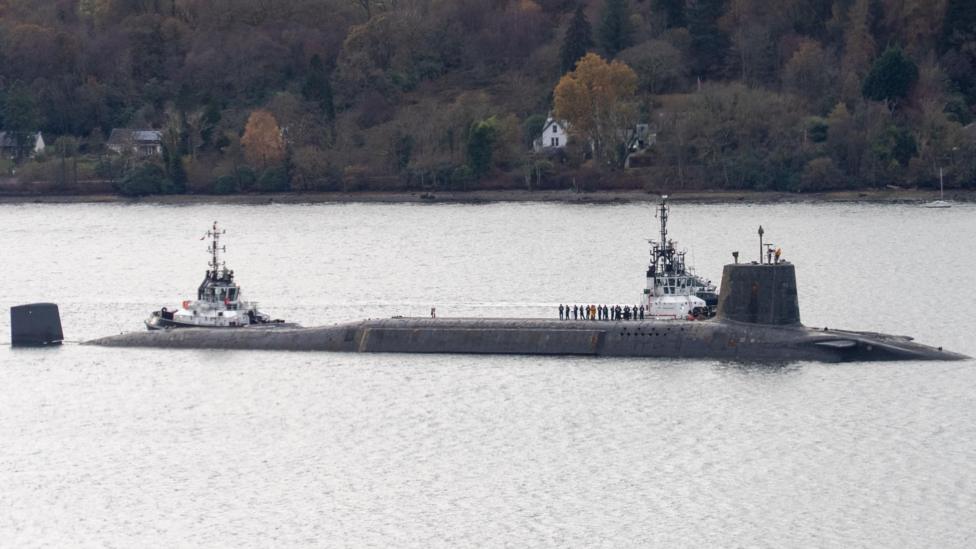
Crew members stood atop HMS Vengeance as it travelled up Gare Loch
 Image source, PA Media
Defence Secretary Wes Streeting was at HM Naval Base Clyde to welcome the crew home
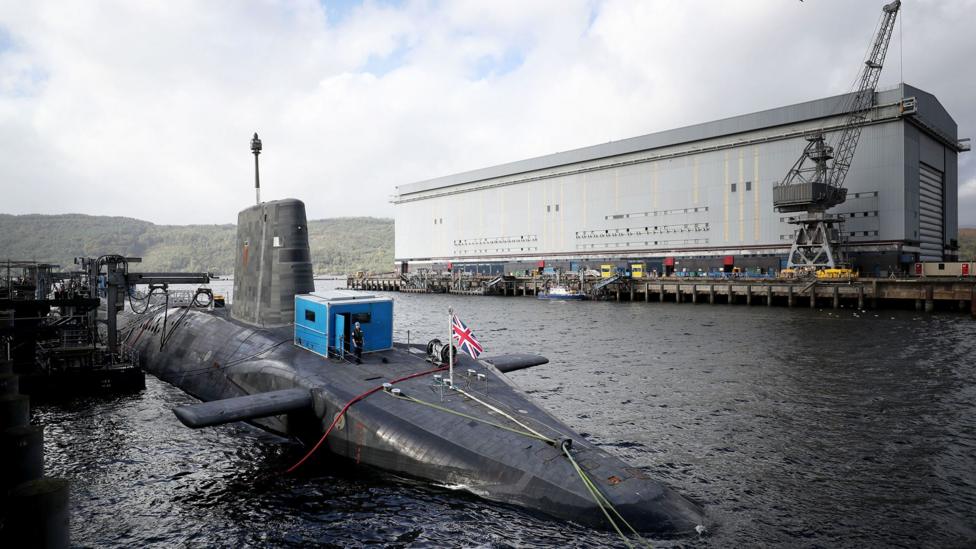 Image source, Press Association
HMS Vanguard, seen here at Faslane, is thought to have set the previous Navy record for the longest patrol when it returned in April after 205 days at sea