The key facts
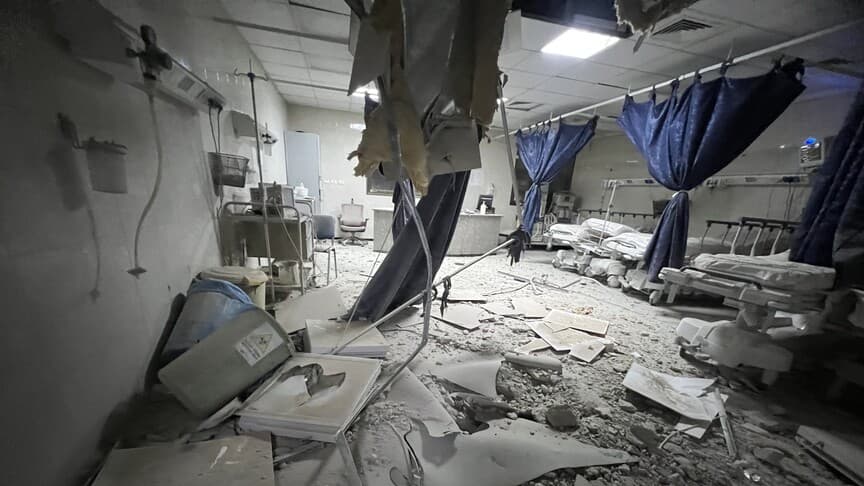
- 18 countries in a joint statement condemned the strike on the Nasser hospital in Khan Younis, where patients and medical staff were killed
- The ministers called on Israel to observe the ceasefire and ensure the unimpeded delivery of humanitarian aid
- The statement emphasizes that humanitarian aid must not depend on progress in subsequent phases of the plan
Joint statement of 18 countries
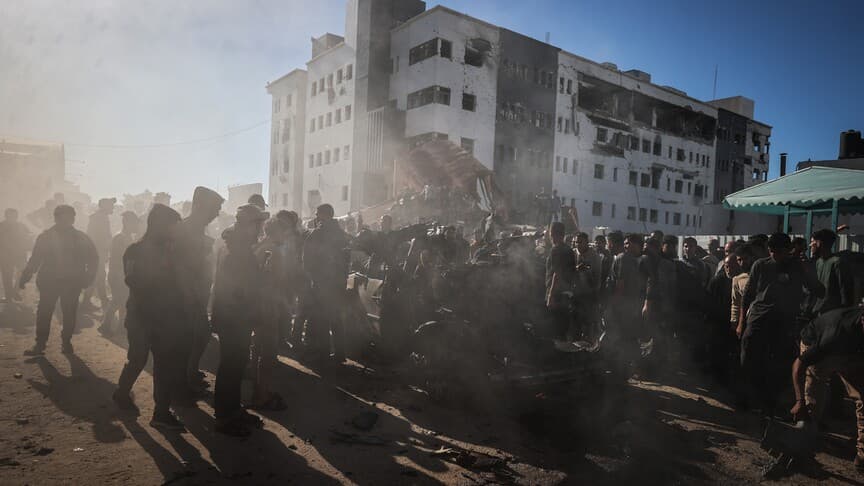
Turkey and 17 other states on Saturday sharply condemned Israel's airstrike on the Nasser medical complex in Khan Younis in the southern Gaza Strip, in which patients and medical workers were killed. The joint statement, released by the Turkish Foreign Ministry, was signed by the heads of the foreign affairs ministries of Turkey, Algeria, Djibouti, Egypt, Indonesia, Jordan, Kuwait, Lebanon, Libya, Mauritania, Oman, Pakistan, Palestine, Qatar, Saudi Arabia, Somalia, Sudan and the UAE. The ministers said the attack violates international humanitarian law, which grants special protection to medical facilities and medical personnel.
Criticism of Israel's actions
In addition to the strike on the hospital, the ministers condemned the Israeli army's ongoing attacks on Palestinian civilians, including strikes on tents and other shelters of displaced people. In their view, such actions undermine the ceasefire and efforts to restore security and stability in Gaza, and are also inconsistent with the comprehensive plan of US President Donald Trump. Separately, the ministers expressed serious concern about restrictions on the delivery of humanitarian aid, shelter materials and medicines: in their assessment, as winter approaches, inadequate shelters and the deterioration of water supply, sanitation and healthcare expose civilians, especially children and infants, to the risk of death from hypothermia.
Demands on Israel, the UN and the US
The statement calls on Israel to immediately fulfill its obligations under the Sharm el-Sheikh agreement, the Trump plan and UN Security Council resolution 2803 (2025): to observe the ceasefire, protect civilians and medical facilities, and ensure the safe and unimpeded delivery of sufficient humanitarian aid, including shelter materials and equipment for restoring infrastructure. The ministers stressed that the obligations of the first phase were to take effect from the moment of signing and be implemented without additional political or coercive conditions, and that urgent humanitarian aid must not depend on progress in subsequent phases of the plan. They also called for no obstacles to be placed in the way of the work of UN agencies and humanitarian organizations. Finally, the ministers appealed to the US and the 'Board of Peace' to intensify efforts so that Israel fully fulfills its obligations and lifts all restrictions on aid to Gaza, warning that trust in the agreements and the consolidation of the ceasefire depend on their implementation.