The key facts
- Uzbekistan joined the 10 countries of the Transformation Pathways Initiative program with a total volume of $720 million
- $187 million is provided by the fund, with another $533 million planned to be raised through co-financing
- Priorities have been defined for Uzbekistan: energy efficiency in the textile, chemical and construction industries, distributed renewable energy, and modernization of the agro-industrial complex
Uzbekistan's participation in the TPI program
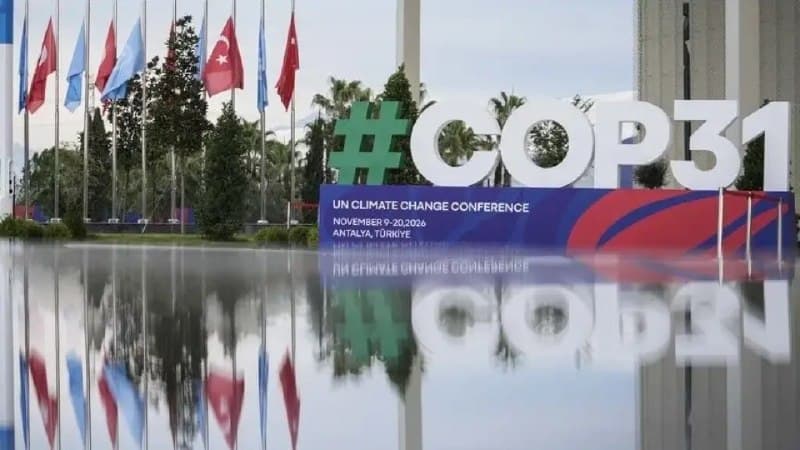
Uzbekistan has become one of ten countries participating in the international climate investment program Transformation Pathways Initiative (TPI) with a total volume of $720 million. The initiative was presented at the UN climate change conference (COP31) taking place in Antalya (Turkey). In addition to Uzbekistan, the program covers India, Serbia, South Africa, Nigeria, Côte d'Ivoire, the Dominican Republic, Ecuador, Mexico and Peru. It is being implemented with the participation of the United Nations Industrial Development Organization (UNIDO) and the international investment company Finance in Motion.
What the funding is aimed at
The goal of the program is to give enterprises in developing countries access to long-term climate financing for the introduction of energy-saving technologies, the use of renewable energy sources, the reduction of greenhouse gas emissions and the modernization of production processes. Support is addressed to industrial enterprises, small and medium-sized businesses, as well as the development of climate-resilient agro-industrial and food systems. Financing will be provided to enterprises directly and through local financial institutions, including in the form of loans. Technical assistance is also provided: preparation of investment projects, assessment of their climate impact and improvement of the investment attractiveness of enterprises.
Priorities for Uzbekistan and allocation of funds
For Uzbekistan, promising areas include improving energy efficiency in the textile, chemical and construction industries, developing distributed renewable energy, introducing circular economy technologies and modernizing the agro-industrial complex. Of the program's total budget, $187 million is provided by the fund, while the remaining $533 million is planned to be raised through co-financing. How much funding will be allocated directly to Uzbekistan is not yet known: the financing volume for each of the ten countries will be determined after the formation and selection of investment projects. The Ecology Committee is discussing with international partners the possibilities of forming a project portfolio involving ministries, commercial banks and industrial enterprises. It is expected that the implementation of the program in all participating countries will prevent emissions of more than 31 million tons of CO2-equivalent and increase the climate resilience of more than 1.4 million people.