The key facts
- Bessent: four agencies backed sanctions against Megaspeed for months
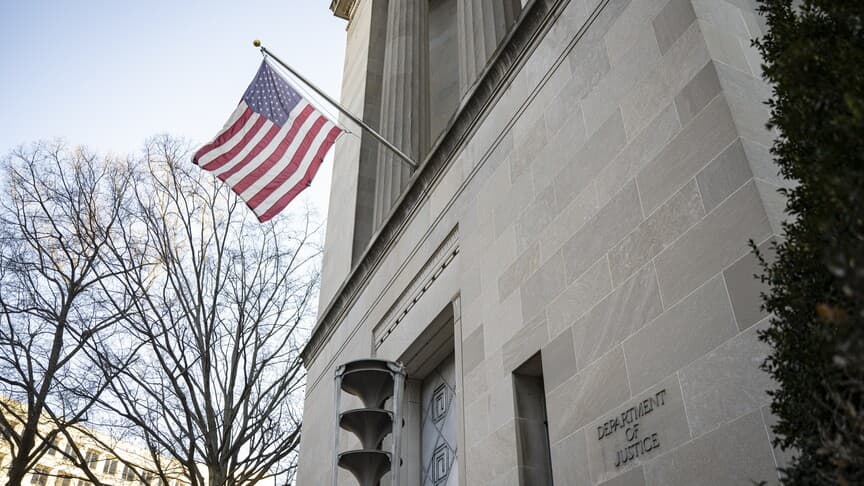
- He placed responsibility for implementation on Lutnick's Commerce Department
- According to Axios, the clash occurred at a Situation Room meeting; Bessent did not confirm the details
Bessent points to the Commerce Department
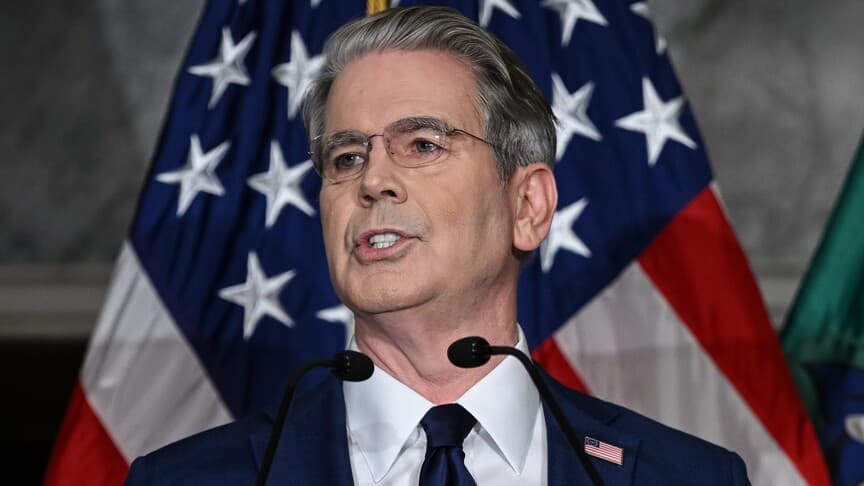
US Treasury Secretary Scott Bessent blamed the Department of Commerce for the administration's failure to impose export restrictions on Megaspeed, the company at the center of a scandal involving former Nvidia CEO Jensen Huang. He said this in an interview with CNBC on Friday, Anadolu reports.
Who backed the sanctions and who was supposed to enforce them
According to Bessent, several key agencies had for months advocated adding Megaspeed to the entity list, which would effectively cut the company off from access to a range of American technologies.
Clash in the Situation Room and chip leaks
The statement came after Axios reported that last week Bessent confronted Lutnick at a meeting in the White House Situation Room, questioning his resistance to export controls on companies suspected of funneling advanced Nvidia AI chips to China. Asked about the exchange, Bessent did not confirm the details:
Dissatisfaction with the implementation of Trump's policy
The Treasury Secretary also expressed frustration with delays in implementing the restrictions on chip exports to China introduced by President Donald Trump.
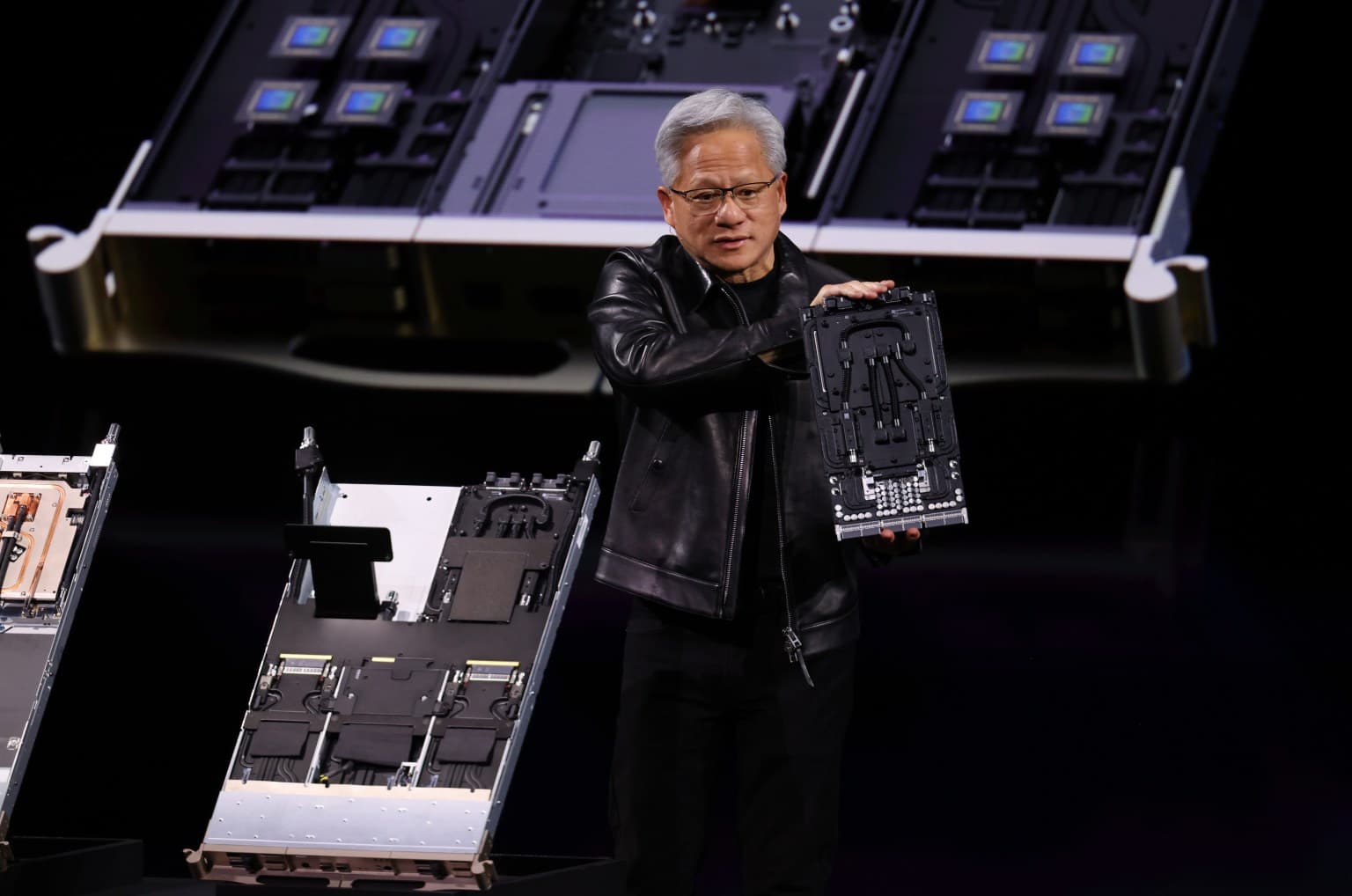
The context around Huang
The dispute unfolds against the backdrop of Jensen Huang's resignation as Nvidia CEO on Thursday amid a growing scandal; earlier, as Anadolu notes, he had advocated a more flexible US export policy toward China. The clash described in the Axios report remains unconfirmed by Bessent himself, and the sources do not explain why the Commerce Department did not add Megaspeed to the list.