The key facts
- More than 333,000 displaced since the beginning of August, over 24,000 in the past week alone
- The UN confirmed 289 civilian casualties: 72 killed and 217 injured, half of those killed were children
- 28 medical facilities and 7 ambulances damaged or destroyed; more than 140,000 displaced in Taiz
Scale of population displacement
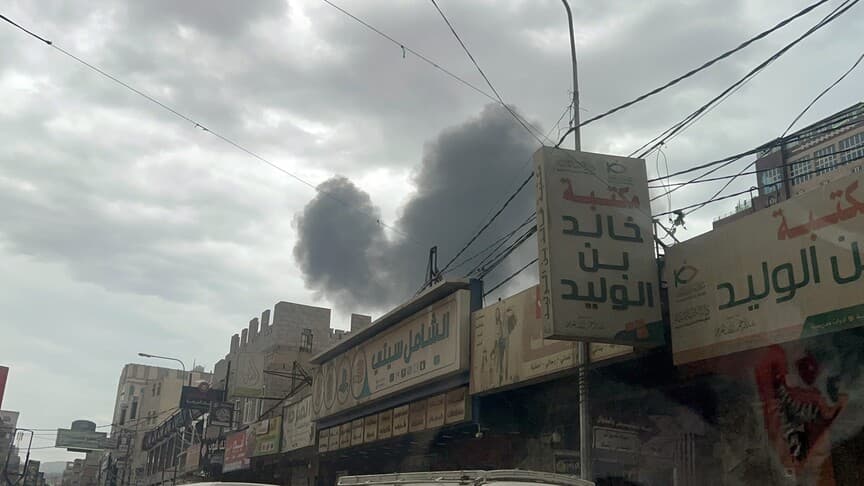
The UN Office for the Coordination of Humanitarian Affairs (OCHA) reported on Thursday that since the beginning of August, more than 333,000 people have been displaced in Yemen amid an escalation of fighting, including over 24,000 in the past week alone. According to the office, civilians 'continue to pay a high price' as violence damages medical facilities, forces families to leave their homes and hampers the work of humanitarian organizations.
Civilian casualties and strikes on healthcare
The Office of the UN High Commissioner for Human Rights confirmed 289 civilian casualties since the beginning of August: 72 people were killed and 217 injured. Children accounted for half of those killed, while women and children together made up almost two-thirds of all casualties. According to World Health Organization figures cited by OCHA, on November 1 a ballistic missile destroyed the Al-Saqiya health center in Lahj province: three health workers were killed and four injured. Four days later, two medical facilities in the city of Taiz were damaged, endangering access to medical care for approximately 12,000 people. In total, since the escalation began, 28 medical facilities and seven ambulances have been damaged or destroyed, and 13 health workers have been killed or injured.
The situation in Taiz and humanitarian access
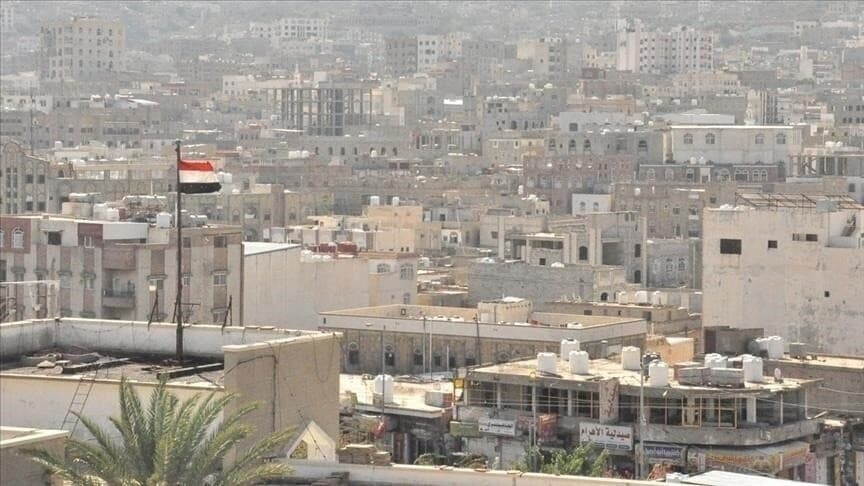
The largest number of displaced people is in Taiz province — an estimated more than 140,000. Movement within the city of Taiz itself remains restricted: according to local authorities, only a small batch — about 400 sacks of wheat flour — was allowed through on Wednesday. Restrictions on supply routes have disrupted commercial transport, led to shortages of goods and market instability; local banks have reportedly limited cash withdrawals. Despite the difficulties, humanitarian organizations have provided assistance to more than 255,000 displaced people, mostly women and children. On Tuesday, they delivered drinking water and storage containers to more than 6,200 people in Taiz and Aden, and sent 11 trucks with medicines to hospitals. OCHA once again called for the protection of civilians and for 'safe, sustained and unimpeded humanitarian access' across Yemen, including the city of Taiz.
Context of the military operation
Since October 5, the Yemeni government has been conducting the military operation 'Dawn of Yemen,' which, according to Rashad al-Alimi, Chairman of the Presidential Leadership Council, is being carried out to reclaim state institutions from the Houthi group and restore control over the capital, Sanaa. The operation is taking place against the backdrop of a broader military escalation that began in July and has become the largest since the relative lull following the truce agreed by the UN in April 2022. The conflict in Yemen has been ongoing since September 2014, when the Houthis seized Sanaa and a number of provinces, which in March 2015 led to the intervention of the Saudi Arabia-led coalition in support of the internationally recognized government.