The key facts
- UN Special Rapporteur Albert Barume, after a two-week visit to Australia, described the situation of Indigenous peoples' rights as 'shameful'
- He was denied access to youth detention centres in Queensland and the Northern Territory
- Indigenous people make up 37% of the country's prison population, up from 24% in 2009; full findings will be presented to the Human Rights Council in September next year
The visit and the rapporteur's main conclusions
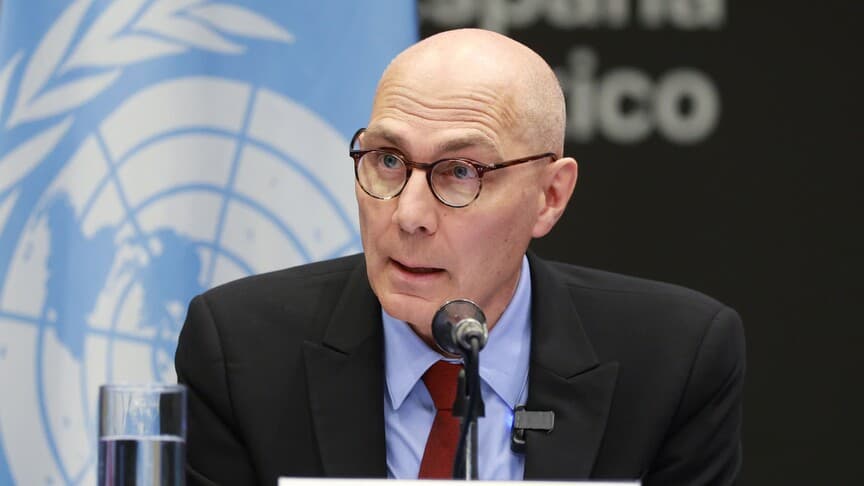
UN Special Rapporteur on the rights of Indigenous peoples Albert Barume concluded a two-week visit to Australia and said at a press conference in Sydney that the situation of Indigenous peoples in the country is 'somewhat shameful' and damages the state's international reputation. 'I am convinced that the rights of Indigenous peoples… are not safe in the hands of states and territories,' Australian broadcaster ABC quoted him as saying. During the visit, Australian authorities denied the rapporteur access to youth detention centres in Queensland and the Northern Territory.
What exactly the expert proposed
Barume's central recommendation is to introduce legally binding national minimum standards consistent with the UN Declaration on the Rights of Indigenous Peoples. In his view, current protection depends too heavily on state and territory governments: a change of power could reverse progress made and subordinate Indigenous rights to political priorities. He also criticised the winding back of treaty-making processes in Queensland and the Northern Territory, stressing that fundamental rights should not depend on the outcome of elections. Addressing Prime Minister Anthony Albanese, the rapporteur urged him to take responsibility for the situation, noting that protecting Indigenous rights serves the common interests of Australia.
Prison statistics and other problems
Barume expressed concern about punitive bail and sentencing laws which, he said, have led to the disproportionate incarceration of Indigenous children: they account for almost two-thirds of those held in youth detention centres, and Indigenous Australians make up 37% of the country's prison population, compared with 24% in 2009. The preliminary findings also cite racism, violence against Indigenous women, missing and murdered Indigenous people, and the high proportion of Indigenous children raised outside their families. At the same time, the rapporteur acknowledged progress in a number of areas: organisations led by Indigenous communities, ranger programmes, language revitalisation and native title rights.
What comes next
Barume plans to present the full findings of the visit to the UN Human Rights Council in September next year. Only preliminary conclusions have been voiced so far; the Australian government's response to the recommendations is not given in available publications.