The key facts
- Vladislav Tretiak threatened to demand compensation, tournament relocations, and sanctions against organizers if Canada and Germany do not admit the Russian national team
- Canada refused to issue visas to Russian players for the World Junior Championship in Alberta, which starts on December 26
- Germany, hosting the World Championship from May 14, ruled out visa bans but supported the idea of holding the tournament without Russia
Tretiak's Threats After Ottawa's Decision
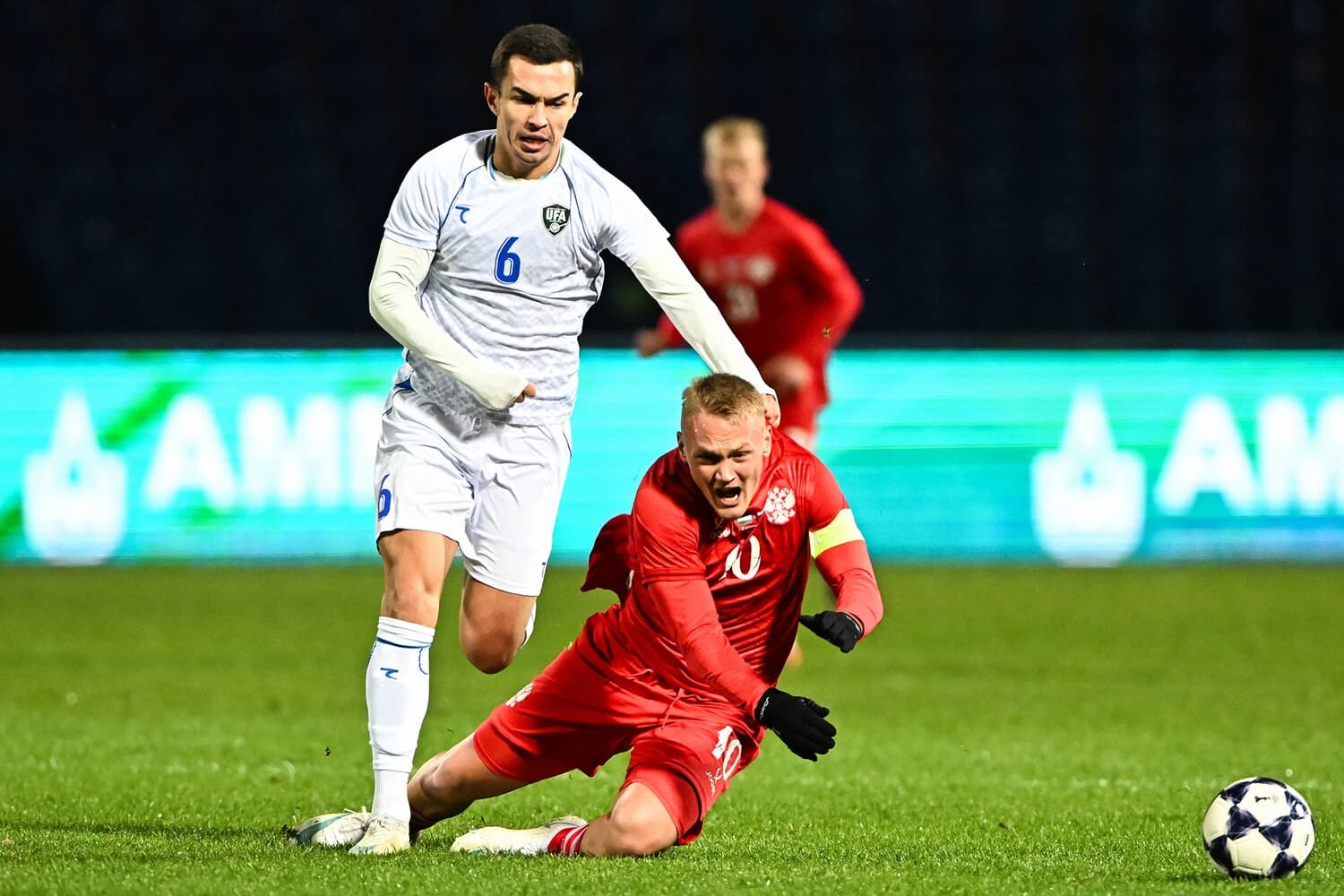
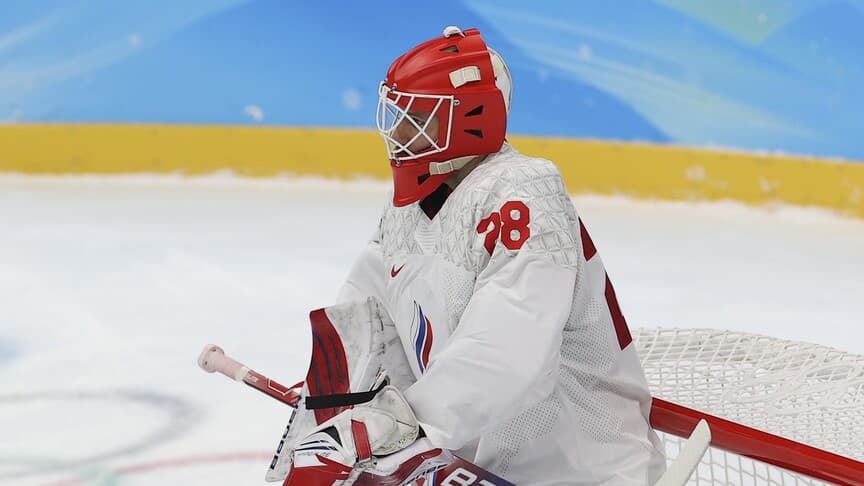
Vladislav Tretiak, president of the Russian Ice Hockey Federation, said in an interview with the TASS news agency that if Canada and Germany refuse to admit the Russian team to tournaments, the federation will demand compensation, seek the relocation of competitions, and impose sanctions against the organizers. According to him, 'there are rules: if a team does not take to the ice, it is recorded as a loss and sanctions are applied.' He named either admitting the Russians or relocating the championship, canceling it, or sanctioning Canada as a way out of the situation. The statement came after a meeting of the presidential sports council in Moscow.
Canada Does Not Change Its Position on the Junior Tournament
The trigger for the threats was the Canadian government's confirmation on Wednesday of its refusal to admit Russian players to the IIHF World Junior Championship, which starts on December 26 in Alberta. Canada's Secretary of State for Sport Adam van Koeverden said: 'Canada's position is unambiguous: as long as Russia continues its aggressive war against Ukraine, there can be no return to business as usual. Canada will continue to stand with Ukraine.'
Uncertainty Surrounding the Participants
Earlier last month, the Court of Arbitration for Sport (CAS) ruled that the security considerations cited by the IIHF to exclude Russian teams were insufficient, and the world federation promised to comply with the ruling. After that, Norway reported that it had been removed from the junior championship and that the IIHF had informed it of a replacement by Russia. Several national federations said they had received an updated tournament calendar and would not play against Russia. The IIHF itself has not confirmed these changes.
Germany's Position Ahead of the Home Championship
Germany is monitoring the situation, as it hosts the IIHF World Championship from May 14 in Gelsenkirchen, Mannheim, and Düsseldorf. A German government spokesperson called holding the tournament under such conditions — with a number of countries refusing to play against Russia and threats from major sponsors to withdraw — 'practically impossible.' At the same time, Berlin ruled out the Canadian scenario: Sports Minister Ronald Rauhe said on Wednesday that denying visas 'is not a solution for the German Ice Hockey Federation (DEB) and not a solution for the successful staging of a World Championship anywhere,' while expressing support for the DEB's desire to hold the tournament as planned — with Russia excluded.
Complicating Factor: Munich's Olympic Bid
For German officials, Munich's bid to host the Summer Olympic Games in 2036, 2040, or 2044 creates an additional complication. The IOC recently lifted sanctions on Russian athletes and the suspension of the Russian Olympic Committee's membership, opening the way for their return despite the ongoing war in Ukraine. The IOC is expected to expect national Olympic committees bidding to host the Games to follow its line; a decision on Munich's advancement to the next stage of the bidding process is expected in the coming weeks. For now, key decisions rest with the IIHF: resolving the dispute over the junior tournament will largely determine the scenario for the men's championship in Germany in May.