The key facts
- Governor Andrei Bocharov reported fires at a facility in Volgograd's southern industrial zone; no casualties reported
- OSINT channels attribute the strike to LUKOIL's Volgograd refinery with a capacity of about 14 million tonnes of oil per year
- After the previous attack on October 2, the plant temporarily halted processing, according to Reuters
Attack in the early hours of November 13
In the early hours of Friday, November 13, Volgograd Region came under a massive attack by Ukrainian unmanned aerial vehicles. This was reported by the regional governor Andrei Bocharov, whose remarks were cited by the press service of the regional administration. According to his statement, falling UAV debris caused localized fires at a facility in Volgograd's southern industrial zone and on the adjacent territory. The governor did not specify the names of the affected facilities and noted that there were no casualties and no residential buildings were damaged. According to the Telegram channel Astra, city residents reported numerous explosions and mobile groups firing at drones.
Who may have been the target
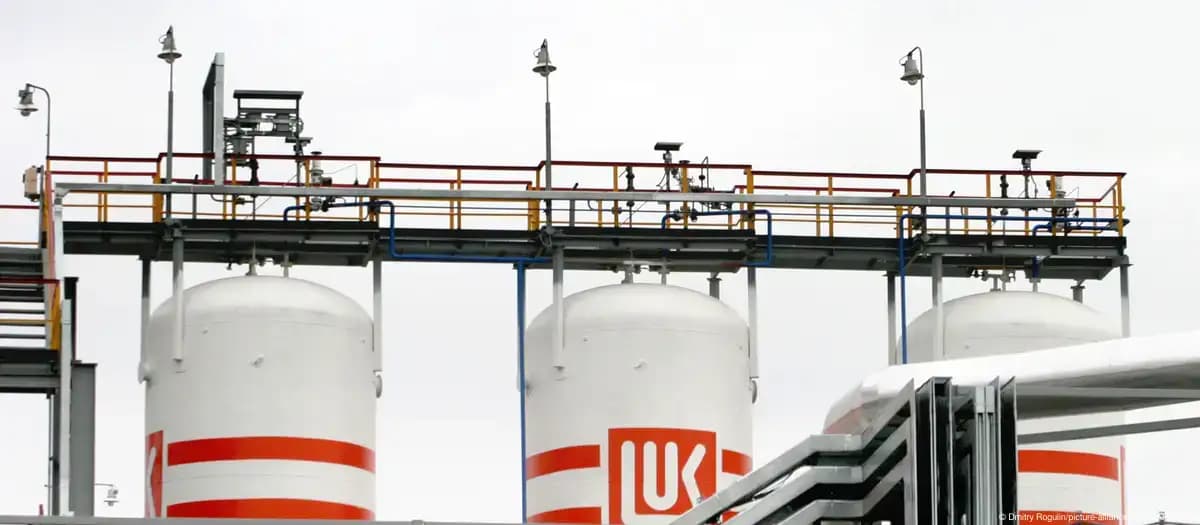
The targets of the attack have not been officially named, but the Telegram channel Exilenova+, which tracks the situation in Ukraine, reported that the strike was aimed at the Volgograd oil refinery — LUKOIL-Volgogradneftepererabotka — and published a video that, it claims, shows a fire at the plant. One of the channel's posts said the plant 'was forced to halt its operations.' The authors of the Astra channel, based on OSINT analysis of open sources, also concluded that the strike was delivered specifically at the Volgograd refinery.
The facility's significance and previous attacks
The Volgograd refinery is part of LUKOIL and has a processing capacity of nearly 14 million tonnes of oil per year, making it one of the largest refineries in southern Russia. As Astra notes, the plant produces gasoline, diesel and aviation fuel, fuel oil, petroleum coke, bitumen and base oils, and supplies petroleum products to the southern regions of the country. This is not the first attack on the facility: the previous one occurred on October 2, after which, according to Reuters citing two industry sources, the plant temporarily halted processing of crude due to equipment damage. Thus, if the refinery's involvement in the strike is confirmed, it would mean a repeat strike on the largest fuel supplier for southern Russia — although this time there is still no official confirmation of either the extent of the damage or a production shutdown.