The key facts
- iCareer consultant offered an undercover BBC reporter a 'full package' for around £98–100k: artworks from China, exhibitions, publications and references
- The visas of two Nigerians posing as photographic artists are being revoked over the BBC investigation
- The Home Office called the findings 'extremely serious' and said the Global Talent route is already being reviewed
The fake artists scheme
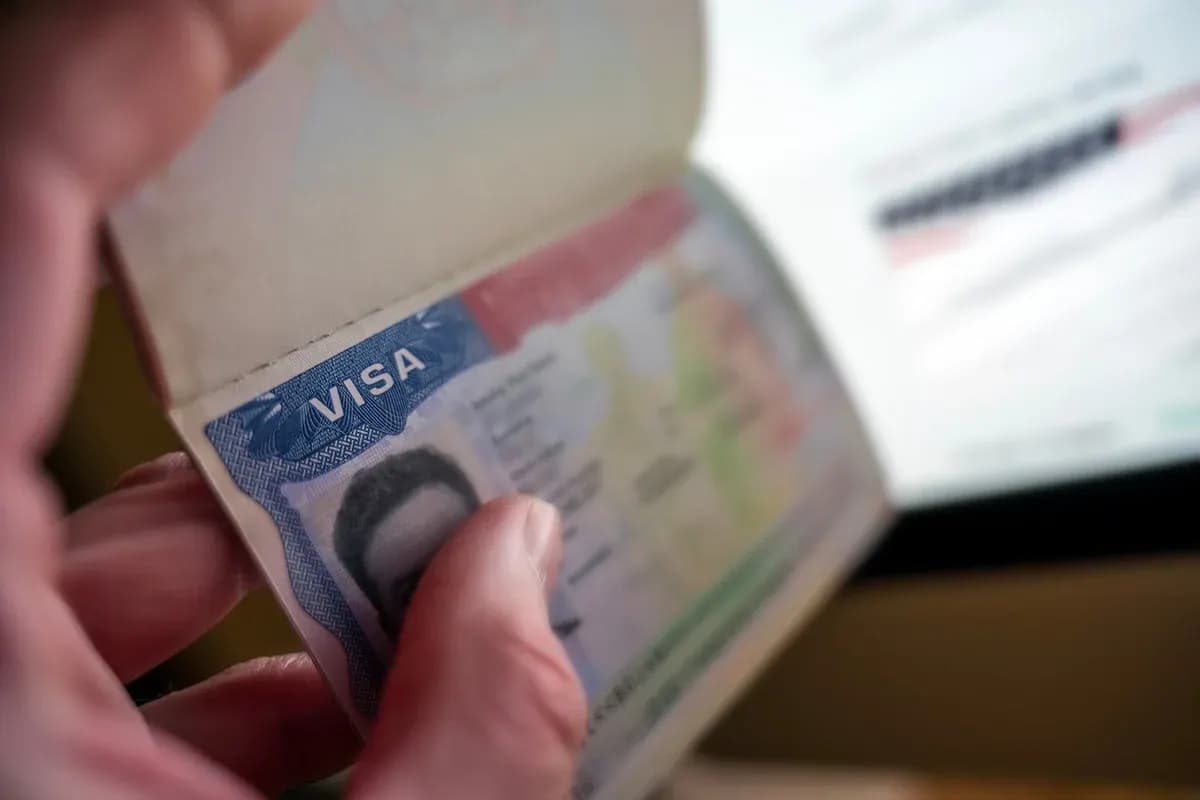
Companies offer migrants, for large sums, to portray themselves as talented artists or technology specialists in order to obtain a UK Global Talent visa, a BBC investigation has shown. The visa was launched in 2020 to attract the 'best' scientists and researchers, but is also open to people in the arts. Applicants are not interviewed: they must prove exceptional talent, and the holder can bring their family and apply for permanent residence after three or five years.
What the iCareer consultant offered
A consultant at the London company iCareer Consultancy UK, named Peter (according to the BBC, his real name is Shilong Guan), told an undercover reporter posing as a client and speaking Chinese that the firm could supply artworks created in China, arrange exhibitions, media coverage and reference letters. According to him, not a single client of the 'fully inclusive' package costing more than £100,000 had been refused. For an additional £28,000 he promised a win in a Chinese art prize sponsored by Forbes; Forbes confirmed the prize is real and that iCareer's sister company — ADArt Global Ltd — is its sponsor. The reporter was promised up to 15 works, an 'internship' which a company employee could instead attend on her behalf, and backdated details of an artistic career. The whole process would take at least two years — until the end of 2028 or the beginning of 2029. Immigration lawyer Harjap Singh Bhangal, who reviewed the materials, called the submitted contract 'a contract to break the law' and the scheme 'sophisticated fraud'.
Reaction of the company and the Home Office
When contacted in person, Peter denied any willingness to help pass people off as artists, saying that 'all our artists are genuine'. iCareer itself, through lawyers, said that its employment relationship with him ended in early October, before the meeting with the reporter, and it strongly denies 'offering any visa services', adding that the meeting was not sanctioned by the company. However, Peter remained on the staff list on iCareer's website and on his LinkedIn until the BBC made contact — the company called this an oversight. The UK Home Office described the investigation's findings as 'extremely serious' and said the company offering the £100,000 package is already under investigation; the Global Talent route is being reviewed, and the Home Secretary 'will take any necessary action' against abuse.
Revoked visas and fake publications
The visas of two Nigerians — Silva Ndifon and Adanu Emmanuel Okoko, who posed as photographic artists — are being revoked because, in the Home Office's view, they were obtained by deception. The deception was exposed by art critic Molara Wood, who discovered in the Nigerian Tribune articles about their work under her name, which she had not written. The newspaper said it had found an employee who posted the material without permission: he admitted that the articles had been passed to him by an outside person, but denied receiving money. For the visa, applicants need at least two publications about their work. According to the BBC, both men are believed to be living in the UK; they did not respond to requests.
Scale and context
In 2025, around 6,600 Global Talent visas were issued, and the number of applications in the arts and culture category nearly doubled between 2023 and 2025. Applications in this field are approved by Arts Council England: last year it supported just under half of nearly 3,500 applications. A shortcut is a major award: in film and television, for example, an Oscar, BAFTA or Golden Globe in major categories. A separate BBC interviewee from India, who tried to obtain a visa through the technology route, said a company fabricated evidence for her application, including a non-existent mentoring award; her application was rejected.
 Image source, Social media
Things would be made to look like our undercover reporter had been an artist for some time, said Peter (pictured)
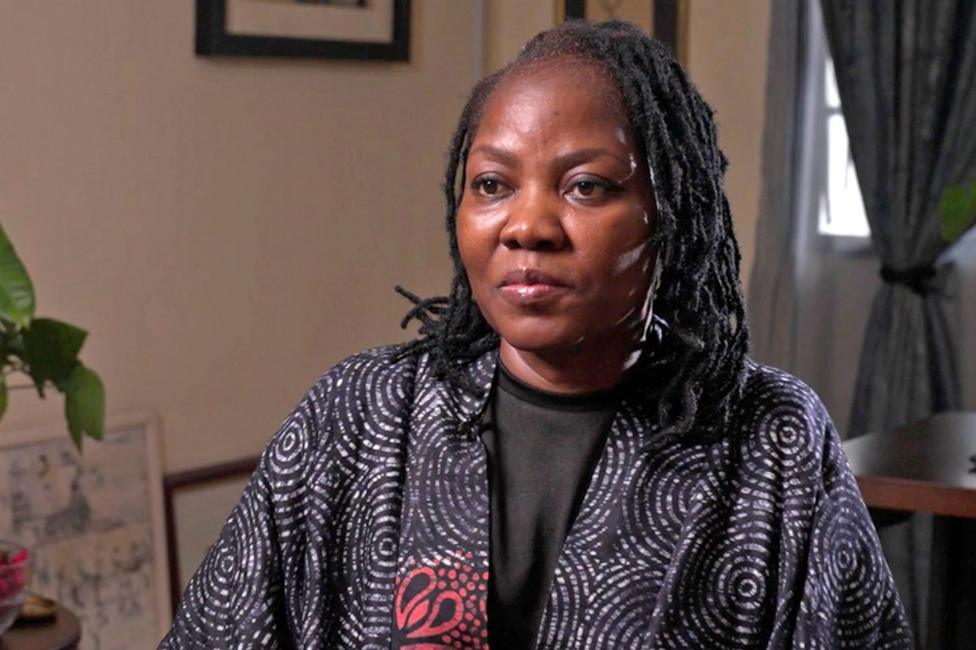
Art critic Molara Wood told us her byline was added to online articles she had not written

Our Global Talent visa service has
An ADArt brochure is filled with photos of art galleries
We would be provided with up to 15 pieces of evidence, stated the contract we were sent
Our contract also stated we would get help winning a Forbes-sponsored award
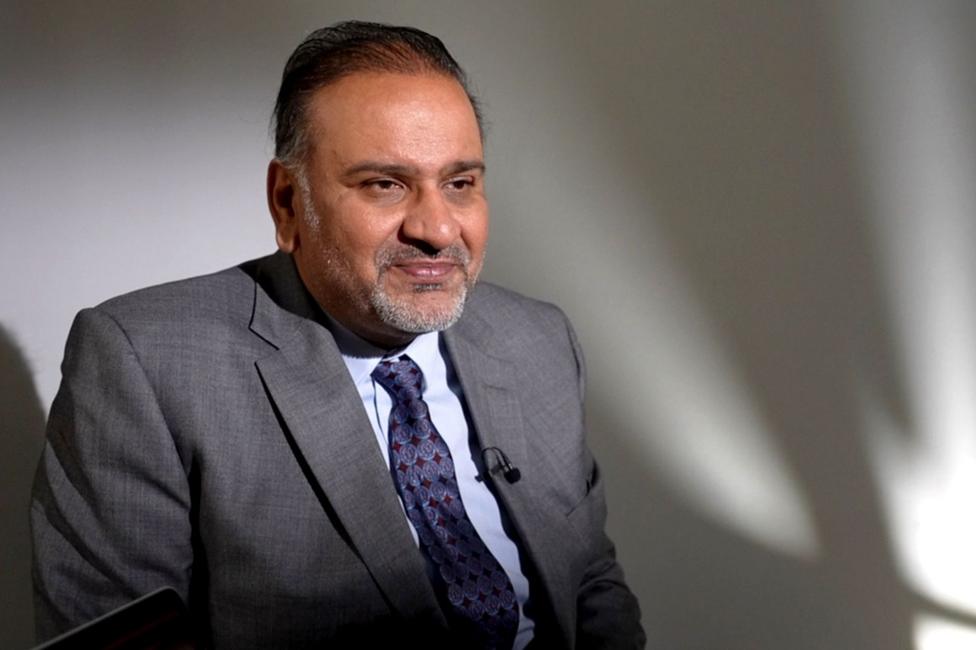
The BBC was sent
Part of the article, including artwork purporting to be by Silva Ndifon, that Molara Wood did not write