The key facts
- For the first time since Trump's return to the White House, Democrats gain control of both chambers of Congress
- Bernie Sanders announced that he will not support Schumer's re-election as Senate Democratic leader
- Analysts disagree: Johnston believes Schumer will keep the post, while Butler predicts his defeat
Victory sharpens the question of leadership
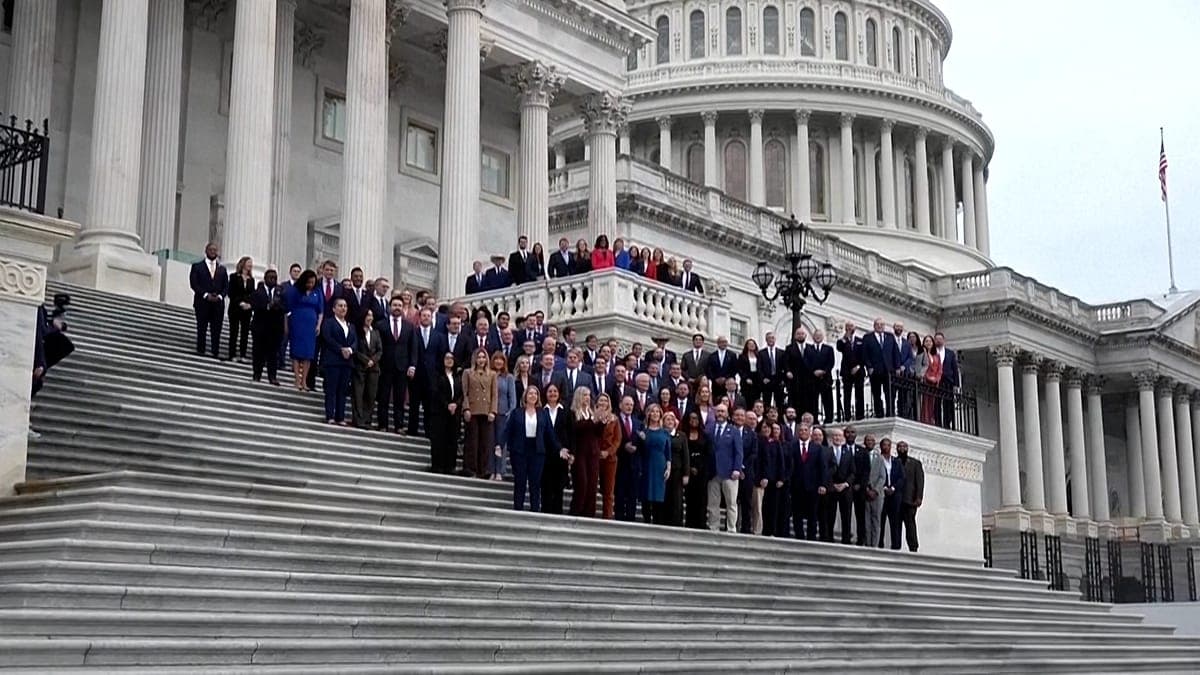
The Democratic Party's decisive victory in the US midterm elections, which for the first time since Donald Trump's return to the White House gave it control of both chambers of Congress, has turned into an intra-party dispute over the future of its leadership. This is reported by the Turkish agency Anadolu. The Democrats must decide who will lead their caucuses in the 120th Congress, which will begin work in January and will oppose President Trump's agenda.
Pressure on Schumer
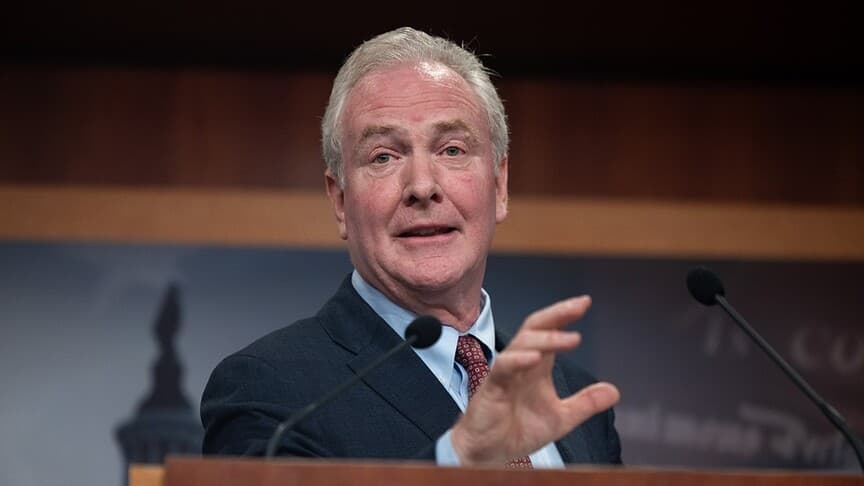
The chambers are still expected to be led by the incumbent minority leaders — Hakeem Jeffries in the House of Representatives and Chuck Schumer in the Senate, both from New York. However, progressive activists and some lawmakers are opposing them, demanding a generational change and a tougher stance toward Trump. Pressure on the 75-year-old Schumer, who has led the Senate Democratic caucus for nearly ten years, intensified after independent Senator Bernie Sanders announced that he would not support his re-election as leader. Michigan Senator Elissa Slotkin demanded a concrete program of action before supporting any candidate, while Maryland Senator Chris Van Hollen is considering putting his own name forward, although he has not yet officially entered the race; he has been publicly backed by Michigan's senator-elect Abdul El-Sayed. Schumer himself expressed confidence that he will keep the post.
Analysts offer conflicting forecasts
Opinions among observers differ. Political analyst David Cay Johnston believes that what Democrats need least right now is 'a fight over leadership,' and notes Schumer's ability to negotiate with different factions and secure the votes needed to pass or block bills. According to him, there is not yet a full-fledged contender with obvious majority support, but the young energy of the November wave will sooner or later force a change in leadership. Democratic strategist James Butler is more skeptical: in his view, Schumer's age, his position on Israel, and the growing influence of the Democratic Socialists of America (DSA) in New York make him vulnerable, and he 'will not survive' as majority leader if a vote is held immediately. At the same time, Butler stresses that the party's victory was more moderate than purely progressive: 'this was not a DSA wave, but a far more moderate wave across the country.' In his assessment, Jeffries has better chances of keeping his post.
Jeffries under pressure but with progressive support
Jeffries is also facing growing external resistance: a petition on social media against his candidacy for Speaker has gathered hundreds of thousands of signatures, and congressional offices are receiving protest calls. Ohio's congressman-elect Don Leonard refused to promise his vote in advance, demanding changes in Jeffries's position on Israel. Nevertheless, the leader is backed by prominent progressives — Alexandria Ocasio-Cortez, Greg Casar, Pramila Jayapal, and Ro Khanna — and Ocasio-Cortez stated that she would vote for him as Speaker. No rival has yet publicly emerged. On Thursday, Jeffries said he was confident about the upcoming caucus leadership vote next week and the Speaker election in January, and also called for 'dramatic changes' in Gaza and the occupied West Bank, a revision of the military aid memorandum with Israel, voiced support for an independent Palestinian state, and opposed additional funding for the war with Iran.
What comes next
Butler suggests that the party may first allow Schumer and Jeffries to take the posts and then agree on a leadership transition, and warns that protracted internal feuds will distract the Democrats from fulfilling their campaign promises and jeopardize their chances in the 2028 presidential election. Johnston, for his part, links the demand for change to the economic disillusionment of young Americans — stagnant wages, inequality, and the aftermath of past financial crises. Both analysts, despite their differences over Schumer's immediate prospects, agree that a generational change in the party's leadership is inevitable.