The key facts
- On November 11, Trump declared 'complete victory' over Iran and demanded its completion, not a '93-percent' one
- Iranian Security Council Secretary Mohsen Rezaei said there are no talks with the US and the Strait of Hormuz will remain closed until seven conditions are met
- Talks in Abu Dhabi ended without a breakthrough; Moscow and Kyiv confirmed preparations for a prisoner exchange
Trump: 'We want complete victory, not a 93-percent one'
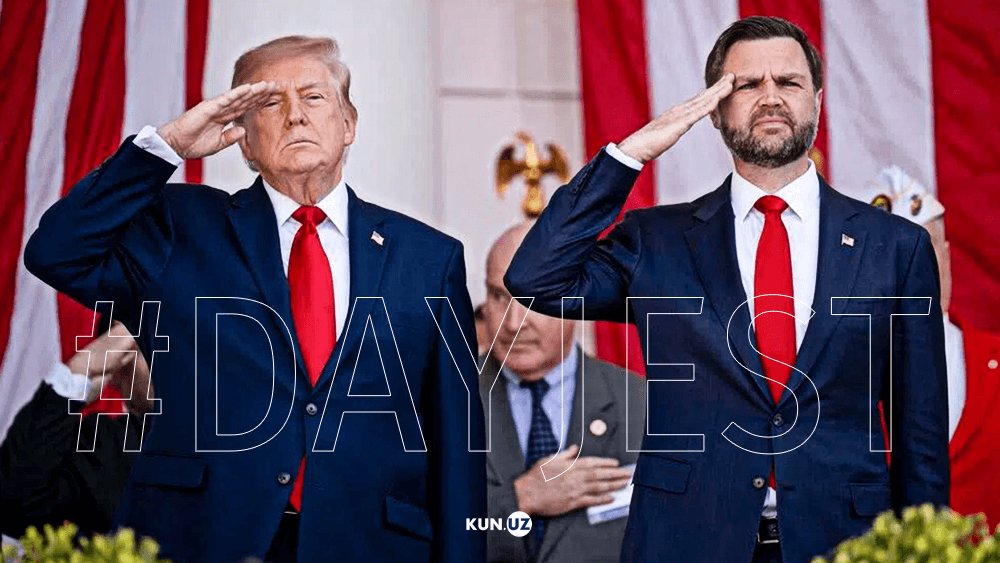
US President Donald Trump has repeatedly stated in recent days that victory has been won in the war with Iran. On November 11 he spoke at a Veterans Day ceremony at Arlington National Cemetery, where, according to the Washington Post, he defended the policy of using military force. 'We have won. The only question is when we will want to finish [the war]. We want not a 93-percent victory, but complete victory,' Trump said. He also stated that Iran will need 25 years to rebuild what was destroyed by American forces, and expressed hope that no more major destruction will be needed.
Tehran denies talks and threatens strikes on US bases in Europe
Iran's position looks different. Secretary of Iran's Supreme National Security Council Mohsen Rezaei said in an interview with the Al Mayadeen TV channel on November 11 that no negotiations with the US are underway. According to him, the Strait of Hormuz will remain closed until Iran's seven conditions are met. Rezaei also warned that if necessary, Iran could strike American military bases in Europe.
Abu Dhabi: round of talks ends without breakthrough
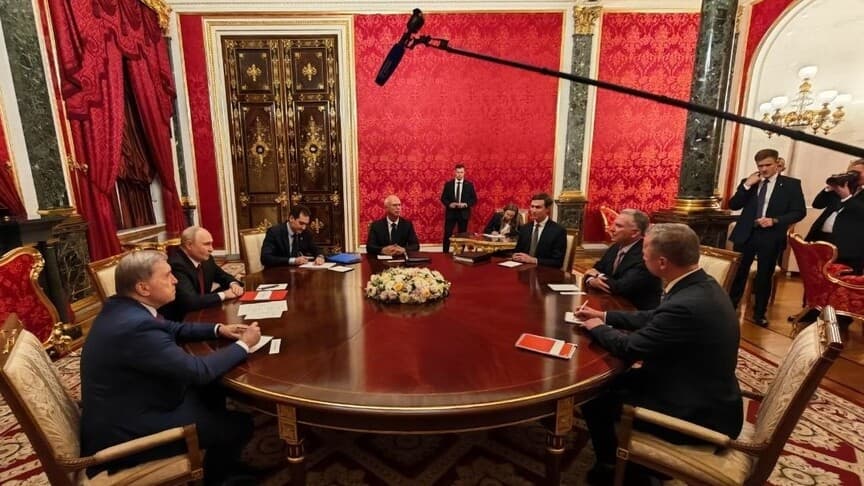
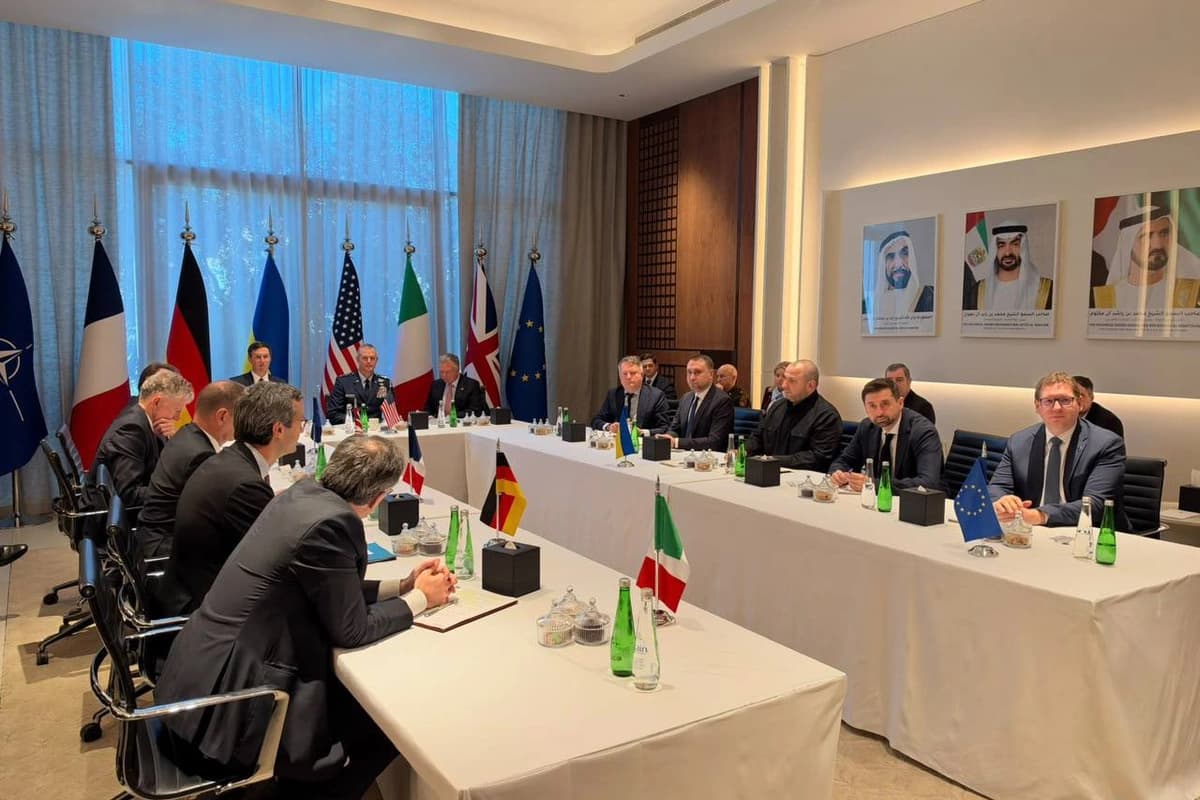
Talks between the delegations of Russia, Ukraine and the US in Abu Dhabi concluded on November 11. The American side said it sees 'some opportunities,' but no breakthrough was achieved in ending the war that has been going on for almost five years. At the same time, both Moscow and Kyiv confirmed preparations for a major prisoner exchange, which, according to the parties, may take place in the near future.
Assessments from the parties: from 'a difficult round' to 'a new Yalta'
Ukrainian delegation member David Arakhamia called this round one of the most difficult negotiations: according to him, the Russians arrived with very tough instructions, so softening the discussion was extremely difficult. Nevertheless, he noted the presence of positive progress and called for the next round to be held as soon as possible. Head of the Russian delegation Vladimir Medinsky spoke in a sharper tone: according to him, much now depends on Ukraine, the US position, and whether Europe can 'gather its wits.' He also stated that the new security system in Europe should become 'a new Yalta and Potsdam' — by analogy with the 1945 conferences at which the victorious countries divided postwar Europe into spheres of influence.