The key facts
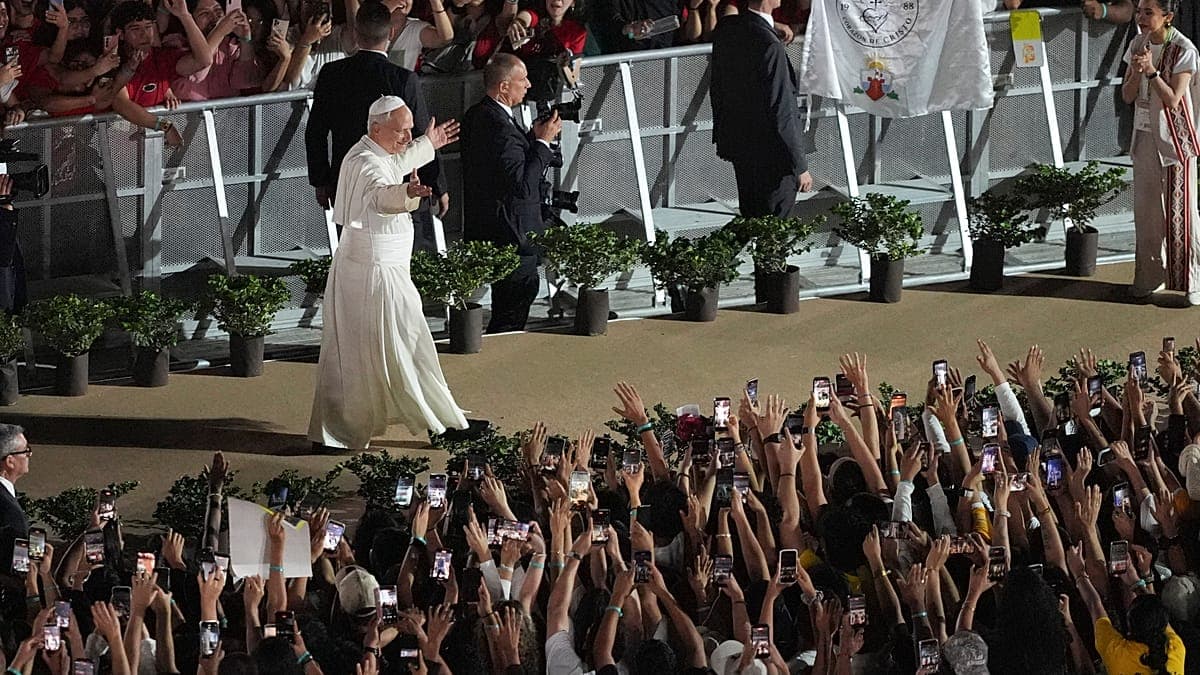
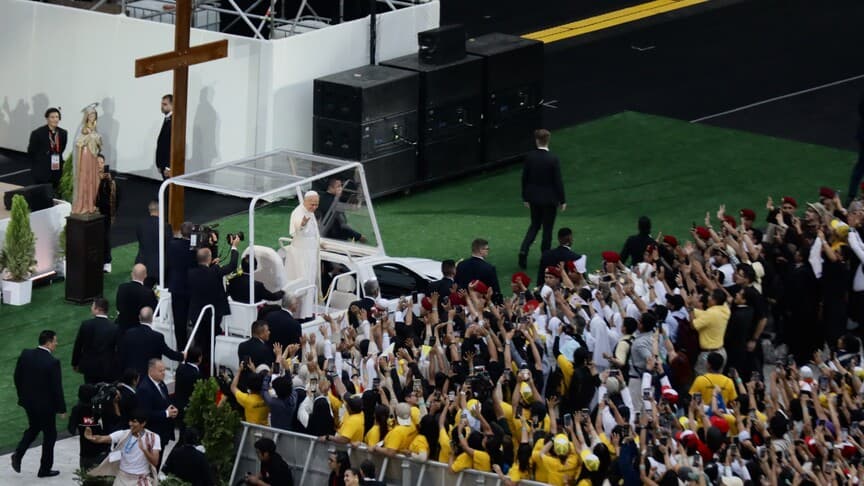
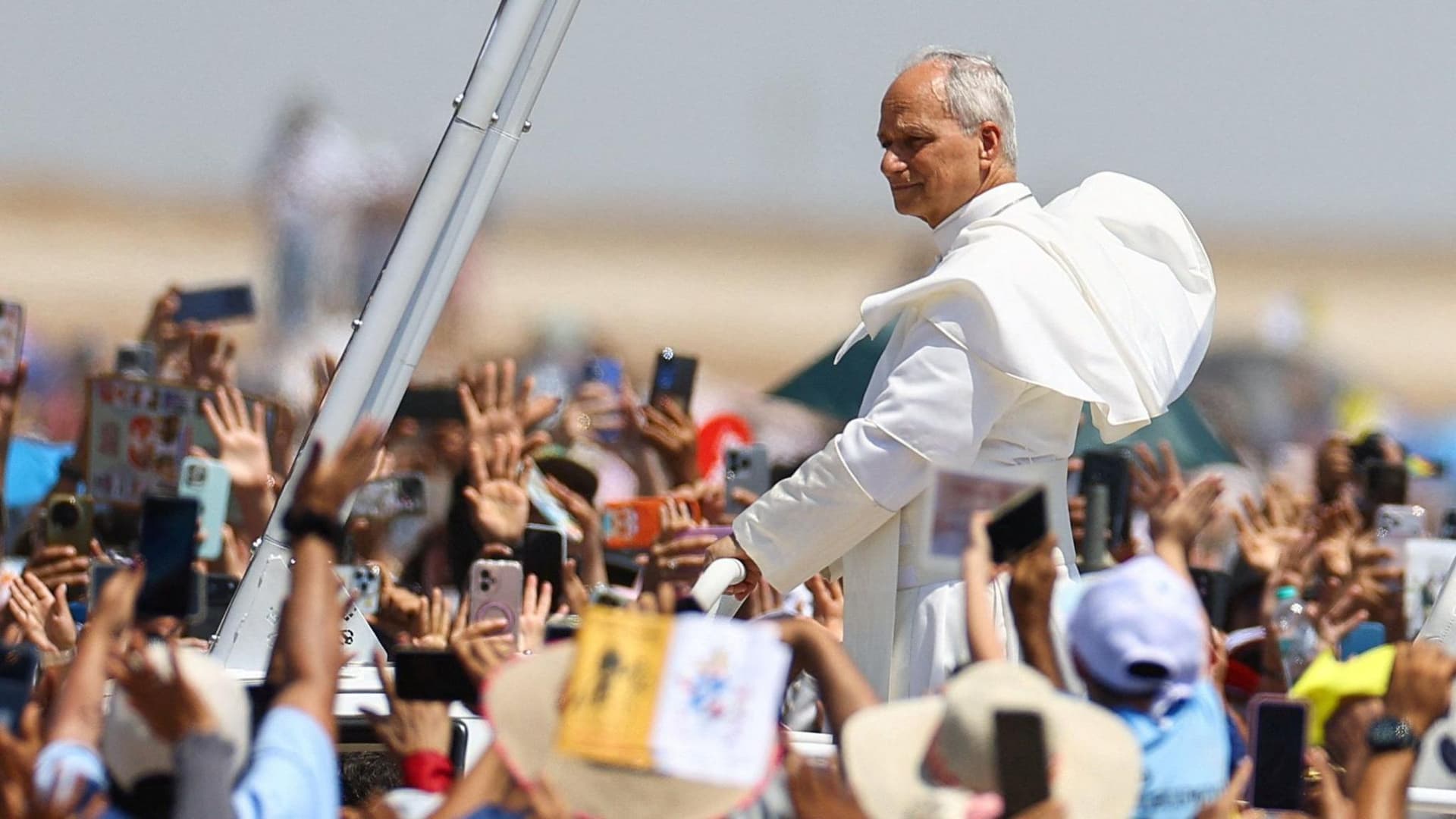
- About 3 million people, by Vatican estimate, greeted the pope's motorcade in Lima
- Leo XIV has held Peruvian citizenship since 2015 and served in Chiclayo for about ten years
- The six-day visit includes travel to altitudes above 3,400 m, two months after lung surgery
Huge crowds in Lima and a 'return to his homeland'
Pope Leo XIV opened the Peruvian leg of his South American tour on Wednesday. According to Vatican estimates cited by the Associated Press, about 3 million people lined the route of his motorcade in Lima, decorated with Peruvian and Vatican flags. Part of the crowd, according to AP, chanted 'The pope is Peruvian!' The 71-year-old pontiff, born in Chicago, appeared visibly moved upon arrival.
Two decades of service in Peru
Leo XIV spent more than twenty years in Peru — first as a missionary, then as bishop of the northern city of Chiclayo, where he served for about ten years. He received Peruvian citizenship in 2015; he is also a US citizen and the first pope from either of the two countries. 'Today I realize how much of this land remains in me and how much of my own story belongs to you,' he said, adding that he was 'returning to my homeland as well.' At the presidential palace, he sang the Peruvian national anthem together with President Keiko Fujimori and a children's choir.
Calls for reconciliation and protection from disasters
In his first speech before the authorities and the diplomatic corps, Leo XIV urged Peruvians to 'cultivate honesty and integrity' and to recognize that 'no one has all the answers,' and he called on the country to confront the most painful chapters of its history 'with justice and sensitivity.' Fujimori, the daughter of former president Alberto Fujimori, who died in 2024 and whose rule in the 1990s was marked by violence, human rights abuses and the fight against the Shining Path guerrillas, said that Peru must resolve the 'unfinished task' of reconciliation after decades of insurgent violence, state abuses and sharp political divisions. Notably, as a bishop, the future pope — then Robert Prevost — repeatedly criticized her father. The pope also called for strengthening disaster prevention in a country regularly hit by El Niño-related floods and landslides, and urged that people be able to live and work 'without fear.'
A visit amid crisis and after surgery
The warm welcome comes against a backdrop of Peruvians' fatigue with power: since July 2016 the country has had nine presidents, and the homicide rate has nearly doubled in five years. Political scientist Alonso Cardenas told AP that he sees 'neither a sign of reaction nor a strategy' in Fujimori's government. At the same time, as theology professor Veronique Lecaros noted, the Catholic Church remains more trusted than any other Peruvian institution, although, according to Pew, the share of Catholics has fallen from 76% to about 67% of the population. The six-day visit is the final leg of a Latin American tour that included Uruguay and Argentina, where the pope advocated a more inclusive economy and protection for vulnerable groups, which commentators interpreted as criticism of the cuts by Javier Milei's government. In Peru, he plans to travel from the Amazon to the Andes with a visit to Cusco and an emotional return to Chiclayo. The trip to high altitude is considered risky: in mid-October, part of the pope's lung was removed due to a malignant tumor. Deutsche Welle puts the altitude of the trip at 3,700 m, while euronews gives about 3,400 m above sea level for Cusco. The pontiff is due to return to the Vatican on November 17.