The key facts
- 16-year-old Rimas Asaad Dweikat from the Nablus governorate placed under four-month administrative detention without charges
- Detained on November 4 after a raid on her family's home in the town of Beita; she is a high school student
- The number of Palestinian women under administrative detention has reached 21 out of 90 female prisoners, with over 3,100 people in total under administrative detention
Four-month detention without charges
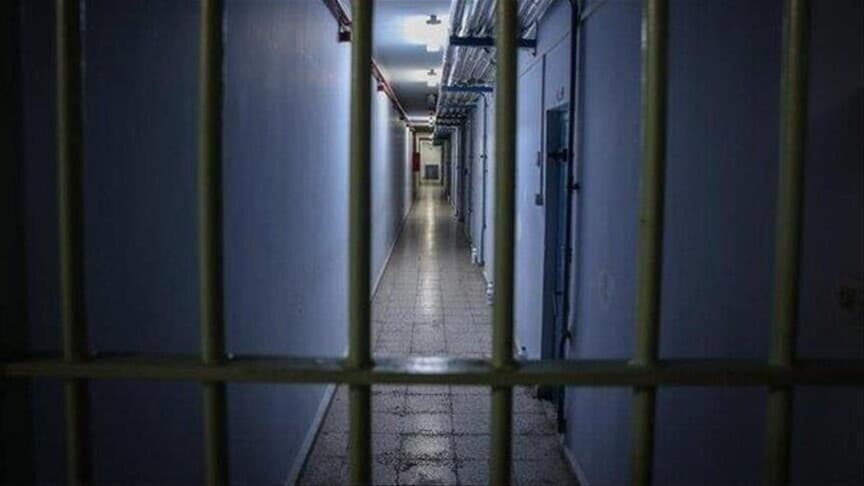
Israeli authorities on Thursday placed 16-year-old Palestinian Rimas Asaad Dweikat from the northern governorate of Nablus in the occupied West Bank under administrative detention for four months without filing charges. The Palestinian Prisoners Society announced this. According to the organization, Dweikat was detained on November 4, when Israeli forces carried out a raid on her family's home in the town of Beita. She is a high school student.
The scale of administrative detentions
According to the society, following this decision the number of Palestinian women held under administrative detention has reached 21 out of 90 female prisoners in Israeli prisons. Dweikat is one of three girls currently held in Israeli prisons. The organization also reported that as of October, the total number of Palestinians under administrative detention exceeded 3,100, including dozens of children under 18. In its assessment, this is the highest figure since the start of the war in Gaza and in the entire history of record-keeping, amid the expanded use of this practice.
The position of the Palestinian Prisoners Society
The Palestinian Prisoners Society characterized administrative detention as one of the policies most systematically applied by Israel against Palestinians over decades, affecting various segments of society. The organization accused Israeli courts of various levels of supporting this policy through 'formalistic proceedings' and the routine approval of orders issued on the basis of assessments by Israeli intelligence. According to the organization, the practice has changed repeatedly over the years and has continued to expand, despite hunger strikes and court boycotts by Palestinian prisoners protesting against this policy. It also stated that Israeli authorities continue to develop new methods and mechanisms to entrench and expand the use of administrative detention.