The key facts
- The Iraqi Prime Minister's adviser said that an agreement on disarming the groups will not be reached by the end of this year
- The deadline for transferring all weapons to state control is June 30, 2027
- Two groups are resisting negotiations, while one is showing flexibility, the national security adviser said
Iraqi government acknowledges: disarmament timelines are shifting
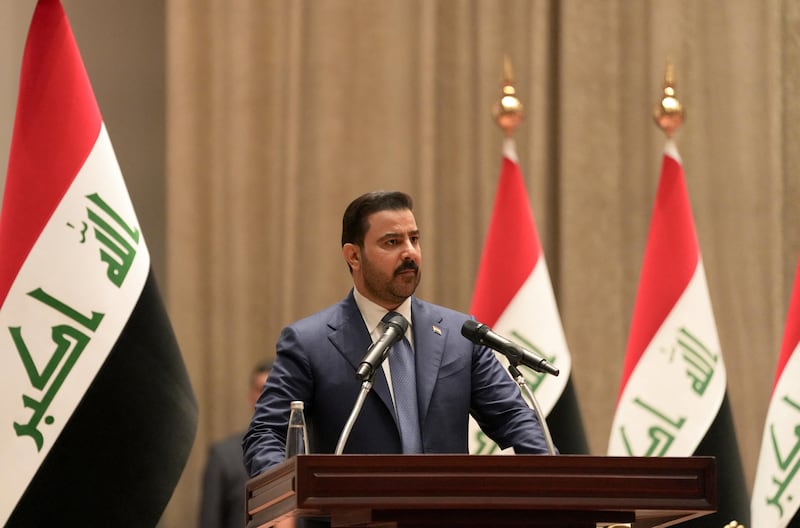
The Iraqi government will not reach an agreement on disarming pro-Iranian armed groups by the end of this year, Yusif al-Dunaynawi, an adviser to Prime Minister Ali al-Saidi, said on Wednesday. According to him, the government takes disarmament 'seriously' but must act 'flexibly.' He cited 'external and internal factors' and stressed the need to protect the country's security. The remarks were made at the Iraq Initiative conference at the Chatham House think tank in London.
The deadline is June 2027
Prime Minister al-Saidi set a deadline of June 30, 2027, for transferring the weapons of all armed groups to state control. This came after the withdrawal of American troops from Iraq in September. National security adviser Qasim al-Arabi said the prime minister is holding a dialogue with the armed factions and that the plan will be implemented 'in stages.' According to him, two groups are resisting disarmament negotiations, while one is showing 'flexibility'; the factions ultimately signed a commitment to lay down their weapons. 'Two of them are still quite tough. One has shown more flexibility, so I am optimistic that the plan will be completed by June,' al-Arabi said.
Conditions for the willing and a warning for the unwilling
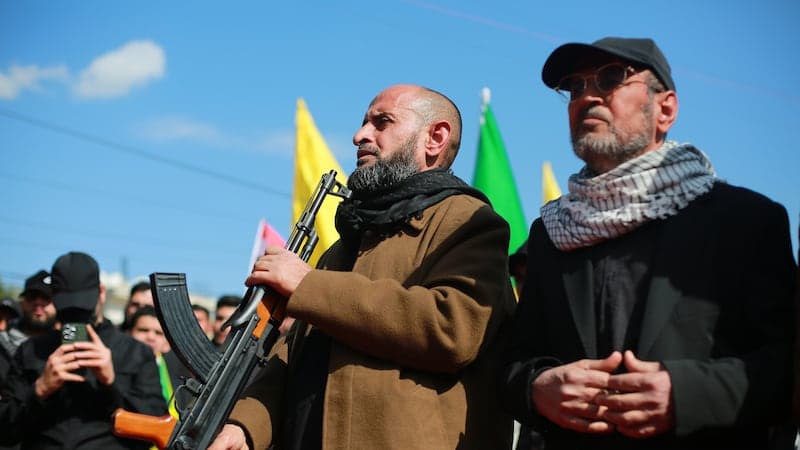
Head of Iraq's National Security Service Basim al-Badri warned that the government is ready to consider the concerns of groups willing to negotiate, but not those who sabotage the process. 'Those who try to obstruct this matter out of personal interests — we will not give them the opportunity to do so,' he said. Context of the process: pro-Iranian formations in Iraq attacked energy facilities in the Gulf and American bases in response to American airstrikes on Iran, and were also accused of harshly suppressing Iraqi protesters who spoke out against the government in 2020. The disarmament of the groups is described as a necessary condition for restoring the rule of law and strengthening trust among the population and regional neighbors, as Gulf countries seek to diversify energy flows around attacks in the Strait of Hormuz.