The key facts
- Spot gold fell 0.43% to $3,970.59 per ounce, silver dropped 0.69% to $51.305
- US inflation in October was 0.4% month-on-month versus expectations of 0.3%
- Waller allows for a 25 b.p. hike, and 50 b.p. if inflation is strong
Gold loses value for the third session in a row
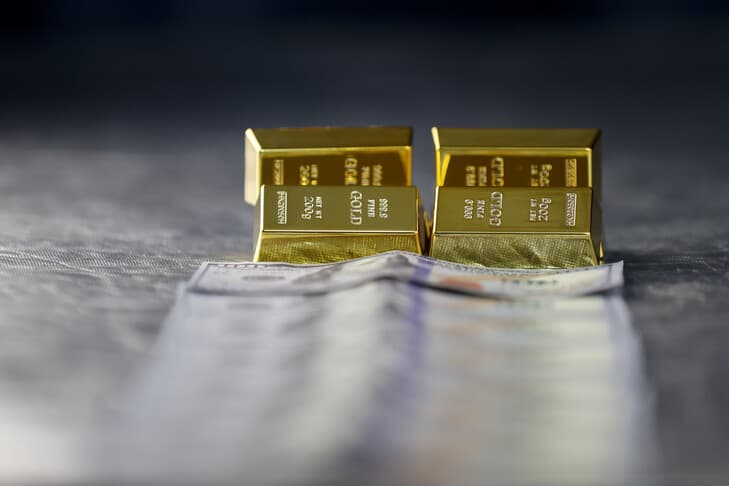
Gold prices remained below the $4,000-per-ounce mark on Thursday and slid toward a more than one-week low: spot metal stood at $3,970.59 per ounce, down 0.43% as of 05:24 GMT. It was the third consecutive decline. Silver also fell in price — by 0.69%, to $51.305 per ounce. The Anadolu agency reported this.
What is pressuring prices
Precious metals are under pressure from a combination of two factors. First, the dollar index is holding just below 103 — near its highest level since April 2025 — making gold more expensive for buyers using other currencies. Second, US inflation in October came in above expectations: consumer prices rose 0.4% month-on-month versus a forecast of 0.3%, although this was slower than September's 0.6%. Combined with hawkish statements from Federal Reserve officials, this strengthened expectations of tighter monetary policy.
Fed signals and what comes next
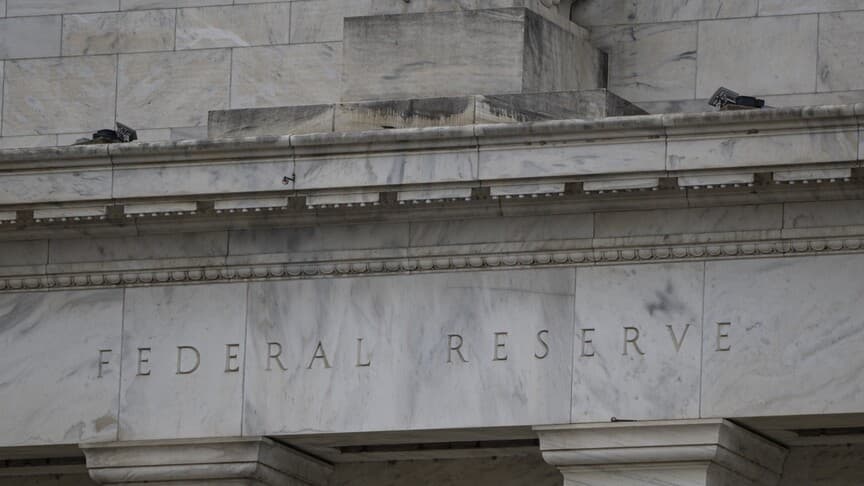
Federal Reserve Governor Christopher Waller, according to the agency, allowed for a rate hike in December and did not rule out a larger step if inflation proves stronger than he expects: he leans toward a 25-basis-point increase even if monthly inflation improves, while substantially stronger data could become grounds for discussing a 50-basis-point hike. Higher rates usually lower the price of gold by raising the opportunity cost of holding an asset that yields no interest income. Market participants are awaiting producer price data, weekly jobless claims and existing home sales figures to better gauge the central bank's further policy path.
A statistical peculiarity: no annual figures
A notable detail: the US Bureau of Labor Statistics did not publish annual values for headline and core inflation for October — the government shutdown in 2025 disrupted the collection of survey data, and the agency lacks last year's figures needed for year-on-year comparisons. This limits the completeness of the inflation picture on which markets and the Fed rely.