The key facts
- The resolution was adopted with 536 votes in favor, 8 against, and 37 abstentions
- 20,651 cases of deportation and forcible transfer of children have been confirmed; 2,752 have been returned
- MEPs called the return of children an obligation under international law that is not subject to political bargaining
What the assembly decided
The European Parliament adopted a resolution demanding that Russia immediately, safely and unconditionally return all deported and forcibly displaced Ukrainian children from territories under its control. The document was supported by 536 deputies, 8 voted against, and 37 abstained. This is already the second such resolution: a similar document was adopted more than a year ago.
What the deputies state
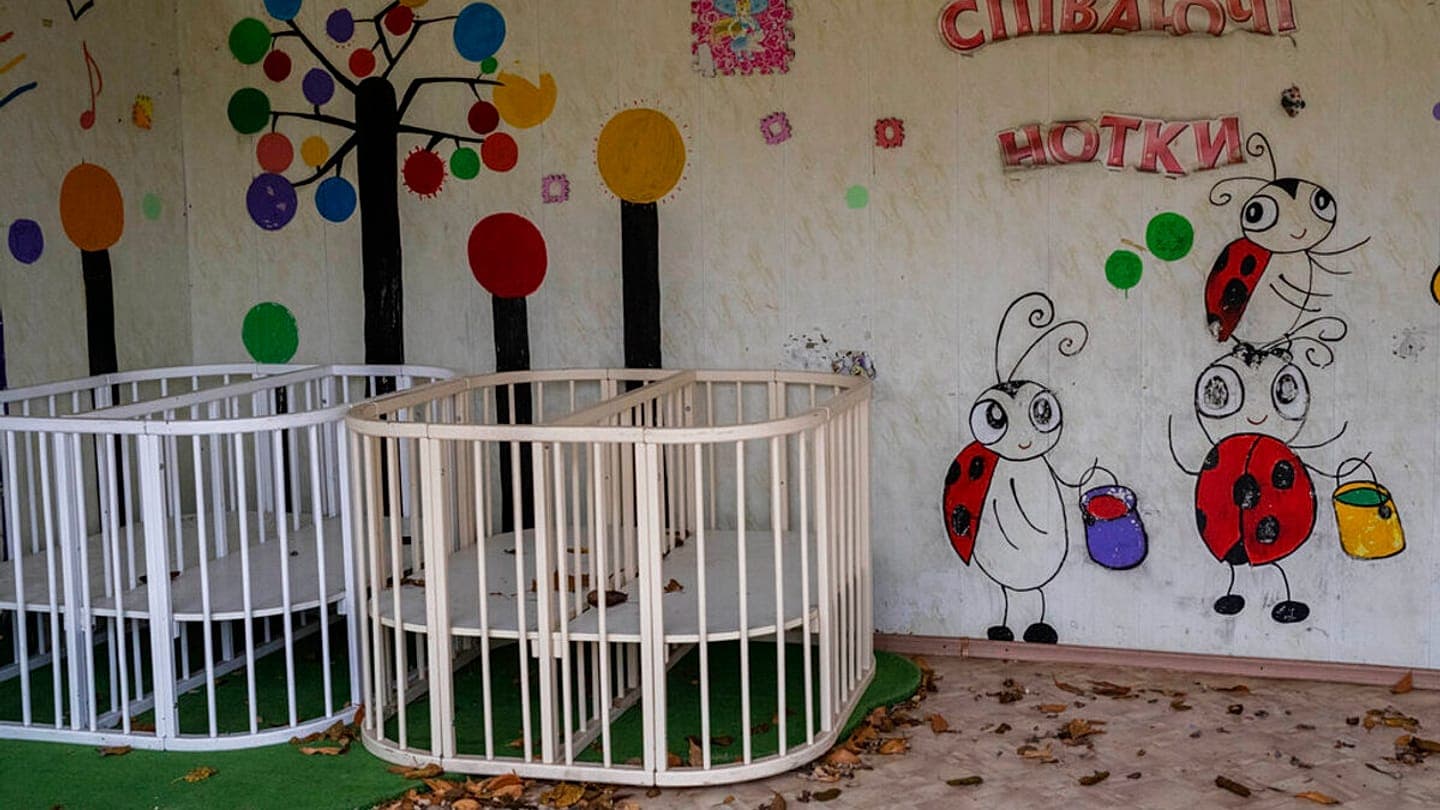
The resolution condemns the systematic deportation of Ukrainian children, their forcible transfer, illegal adoption, forced Russification, ideological indoctrination and militarization. According to Brussels' calculations, as of September 2026, 20,651 cases of deportation and forcible transfer of children have been confirmed; meanwhile, an estimated 1.6 million Ukrainian children remain in territories occupied by Russia. As of October 28, 2026, 2,752 children who were deported, forcibly taken away or evacuated from occupied territories have been returned.
Return is off the political bargaining table
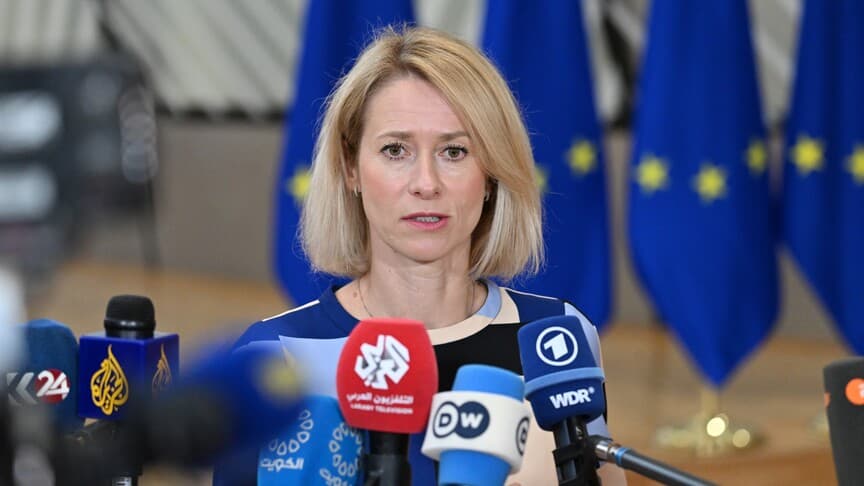
The authors of the document emphasize that the return of children is an obligation under international law and cannot become a subject of political bargaining or be linked to territorial concessions, prisoner exchanges and other agreements. The return of children, in their view, should become not only a humanitarian task but also a key element of Russia's international responsibility for war crimes. During the debates, a number of deputies, including Latvian MEP Rihards Kols and Lithuanian liberal Petras Auštrevičius, characterized the actions of the Russian authorities toward Ukrainian children as genocide. 'These are war crimes, crimes against humanity and an attempt to conceal genocide. Ukrainian children have only one homeland — Ukraine,' Auštrevičius said. The EU High Representative for Foreign Affairs Kaja Kallas, during the debates, suggested that Russia may already be sending abducted Ukrainian children to fight against their own country.
Sanctions and accountability along the entire chain
In addition to the demand to return the children, the European Parliament called for the immediate closure of online catalogs offering Ukrainian children for adoption and placement in foster families, and also called on EU countries to expand practical cooperation with Ukraine and international organizations to identify, document, trace and return missing and deported children. It is proposed to expand the existing EU sanctions against officials and organizations involved in the deportations. The deputies once again expressed full support for the International Criminal Court and the arrest warrants it issued for Vladimir Putin and the children's rights ombudswoman Maria Lvova-Belova, accused of the illegal deportation of Ukrainian children. At the same time, the resolution emphasizes that responsibility must extend not only to Russia's top leadership but to the entire chain of persons who directly committed such crimes or facilitated them.