The key facts
- Female MEPs are allowed to delegate their vote: up to 3 months before childbirth and 6 months after
- Fathers and adoptive parents are not covered by the rule; an amendment on their behalf was rejected in November 2025
- The rule will enter into force after ratification by all 27 EU countries — so far only ten have done so
What the European Parliament decided
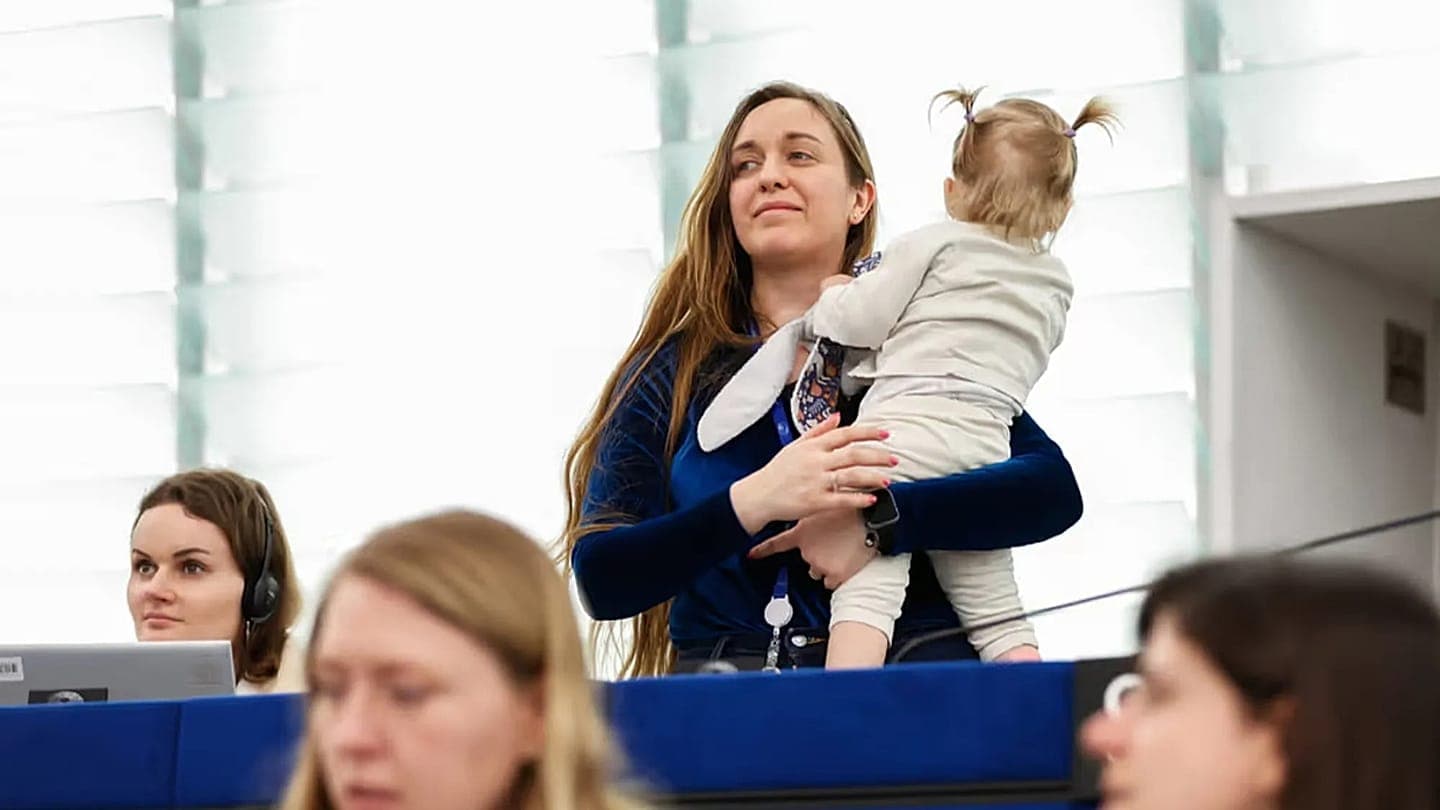
The European Parliament has given final approval to a change allowing female MEPs to temporarily depart from the rule requiring in-person voting at plenary sessions. According to Euronews, an MEP will be able to designate a trusted colleague, who will vote on her behalf, for a period of up to three months before the expected date of birth and up to six months after the child is born. The aim of the measure is to ensure that the voices of young mothers continue to be heard in parliament while they care for their children.
Why fathers were not covered by the rule
Extending the right to fathers sparked controversy. According to Spanish socialist Juan Fernando López Aguilar, who prepared a parallel amendment to the European Electoral Act needed to change the in-person voting rule, the authors wanted to extend the option to men as well, but were forced to take a pragmatic approach: the procedure requires approval by all 27 EU countries and ratification by national parliaments, and including fathers could have 'killed the whole provision'. In November 2025, MEPs had already rejected an amendment covering fathers; the vote was not recorded by name, so opponents cannot be named, but, as Euronews notes, far-right MEPs openly reject legal equality between men and women on this issue. Dutch MEP Marijke Ehlers of the 'Patriots for Europe' group told the outlet that the amendment concerns only mothers who are 'physically unable' to vote due to childbirth or breastfeeding a newborn, and therefore cannot be extended to men and adoptive parents.
Inconsistency with internal rules and what comes next
The lack of equality stands in stark contrast to the parliament's own leave rules: any MEP — man or woman — is entitled to justified absence from two months before the birth until four months after. Dutch socialist Lara Wolters, who oversaw the file in the chamber, admitted: 'We would like to do the same for young fathers or those who adopt children.' The practical takeaway for MEPs is this: the rule will not take effect immediately, but only after all member states ratify the amended European Electoral Act; as of publication, only ten countries had completed this process.