The key facts
- Over 30 years, 1.7 million people have taken part in British Council programmes in Uzbekistan
- Around 12 British universities operate in the country, with more than 10,000 students earning British degrees
- Around 12 British universities operate in the country, and more than 10,000 students are earning British degrees
- The 'Women in STEM' scholarships will continue jointly with the El-yurt umidi Foundation — at least £40,000 per person
- The 'Women in STEM' scholarships will continue in partnership with the El-yurt umidi foundation — at least £40,000 per person
Three decades of cultural ties
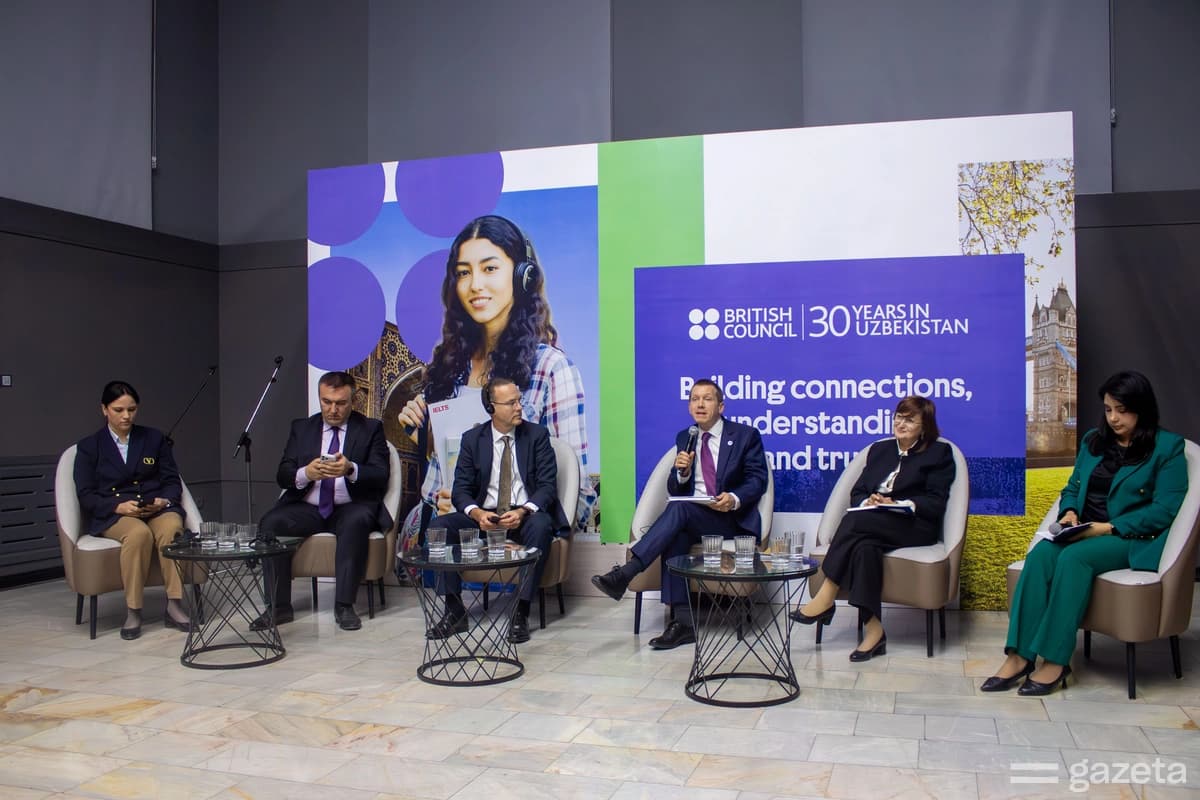
The British Council is marking 30 years of work in Uzbekistan. As Gazeta reports, the organisation opened its office in Tashkent in 1996 — back then the Prince of Wales, now King Charles III, arrived in the capital for the opening of the British Embassy building and a small council office. Over the past decades, 1.7 million people have taken part in its programmes, while its campaigns and initiatives have reached more than 42 million residents of Uzbekistan and the United Kingdom.
What the leadership says
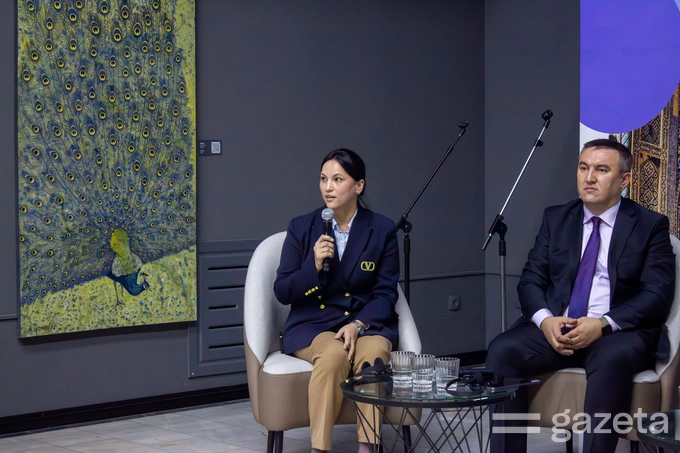
At a press conference in Tashkent, British Council Chief Executive Scott McDonald described the organisation's mission as connecting people: in his words, mutual understanding leads people to 'trade more with each other, fight less, and work together on the shared problems of the world'. He noted that over 30 years Uzbekistan has changed significantly and is showing growing interest in partnership with the United Kingdom. Michael Holgate, head of the council's Uzbekistan office, named transnational education as the main achievement: 25 years ago the council took part in establishing Westminster International University in Tashkent, which started with a few hundred students, and now more than a dozen British universities are present in the country, with over 10,000 students earning British degrees. McDonald clarified that around 12 higher education institutions are represented — in the form of branches, franchises or dual degree programmes — and, in his assessment, their number will grow significantly over the next five years. He called the idea of opening branches of Uzbek universities in the United Kingdom useful: some of the institutions whose representatives he met during his visit could consider it.
Reform of English language teaching
A key area of work is cooperation with the government on reforming English language teaching. Abduwali Ismoilov, rector of the Abdulla Avloni National Institute of Pedagogical Excellence, said that the institute, together with the British Council and the Norwich Institute of Language Education, developed curricula for 12 subjects for the system of teachers' continuous professional development; they will be used from the 2026/27 academic year. For the rollout, 320 republican-level master trainers were prepared, trained in September 2026; 36-hour trainings are now being delivered through a cascade model at regional, district and school levels. More than 100 sessions involving over 1,400 teachers have been held at the continuous professional development centres under the Avloni Institute and regional centres, while the 'School Champions' project, in its fifth cycle, brings together 260 people studying British experience. Yayra Abduraimova, regional consultant of the AELLCA programme, said that the updating of English teacher training curricula began back in 2008 — with a shift from theory and grammar to practical language proficiency — and that topics on artificial intelligence, inclusive education and a competency-based approach are now being added to the programmes. In total, according to the British Council, more than 49,000 educators and administrators from Central Asia took part in AELLCA, and almost 10,000 students studied under the updated programmes.
Anniversary events and new projects
The anniversary is marked by the 'Who Are We?' exhibition at the Tashkent House of Photography, which will run until 10 December. It features four video works from the British Council collection by Elizabeth Price, Erica Tan, Rachel Lowe and Rosalind Nashashibi, devoted to memory, archives and the perception of images, as well as the 'Archive of the Present' project created especially for Tashkent, with personal belongings and stories of people shaping the country's cultural life. In addition, the council recorded 30 stories of participants in the development of ties between the two countries — the videos will be released on its YouTube channel once a week for 30 weeks. The organisation also announced the continuation of the 'Women in STEM' scholarship programme, which will now be implemented jointly with the El-yurt umidi Foundation: the programme is in its fourth year and gives women from Uzbekistan the opportunity to complete a one-year master's degree at British universities; each scholarship is worth at least £40,000 and covers tuition, accommodation, travel, visa and medical care. Among the new projects are the expansion of vocational education programmes and a study titled 'The Economic Value of English', which is intended to assess the impact of investment in language learning on employment, economic growth and trade.