The key facts
- White House counsel William Sharf sent a letter to Robert Garcia warning of legal consequences of 'abusive' subpoenas
- Sharf said investigations without a legislative purpose could be treated as intimidation of officials and lead to counter-investigations
- Garcia rejected the threats, calling them an attempt to hide something from oversight, and cited Article I of the US Constitution
White House Warning
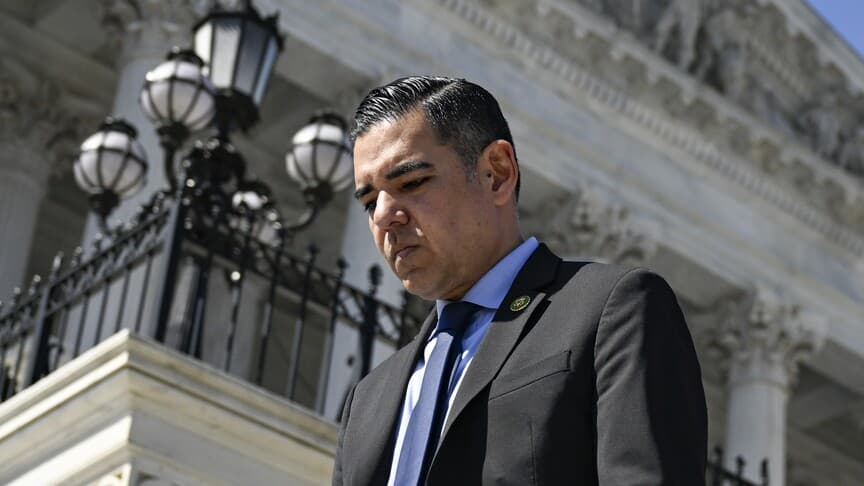
White House counsel William Sharf, in a letter made public on Wednesday, sent a formal constitutional warning to incoming House Oversight Committee chairman Robert Garcia regarding expected subpoenas to officials of Donald Trump's administration. According to Sharf, the subpoenas could face court challenges and trigger counter-investigations into possible criminal offenses.
The Counsel's Arguments
'Abusive threats and public statements about indiscriminately issuing subpoenas, as well as threats against potential recipients in the administration, clearly show that any forthcoming investigations will be used for persecution and self-aggrandizement rather than for any legitimate legislative purpose,' Sharf wrote. Citing key US Supreme Court rulings, he argued that Congress's investigative powers exist solely to assist legislation and cannot serve as an instrument of criminal prosecution or retribution. He warned that using coercive mechanisms to intimidate officials 'may cross the line into overt criminality' and give grounds for the executive branch to examine questions of deprivation of constitutional rights.
Claims Against Garcia
The letter systematically cited statements by Democratic lawmakers to demonstrate the absence of legislative intent: members of Congress compared issuing subpoenas to handing out 'candy' and 'Mardi Gras beads.' Sharf also accused Garcia, who represents California, of personal animus, pointing to his 'LAWYER UP' campaign and statements about coordinating with state attorneys general to push administration officials through the courts toward criminal prosecution. The counsel said the Trump administration would not submit to 'unlawful' pressure and that executive branch officials would resist investigations driven by partisan hostility.
Garcia's Response
Garcia rejected the warnings, accusing the administration of trying to hide from oversight and stating that Congress's investigative mandates derive directly from Article I of the Constitution, not from the executive branch's permission. 'It seems Donald Trump has something to hide,' he said in a statement. 'We are a co-equal branch of government and will not be intimidated by baseless threats from a weaponized Department of Justice or from the president's lawyers.' The Democrat emphasized that Americans elected lawmakers to root out 'corruption and abuse,' and warned that the Trump administration is turning federal tools into weapons to obstruct lawful requests 'inherent to the legislative branch.' Context of the conflict: Democrats won majorities in the House of Representatives and the Senate in the November 3 midterm elections, having promised to ensure congressional oversight and hold administration officials accountable.