The key facts
- OSTIM and Uzbek TMK signed an agreement on developing industrial zones for metal processing
- Infrastructure has been prepared on more than 100 hectares in three regions — the Future Metals Technoparks project
- Uzbekistan estimates its mineral raw material reserves, including rare-earth elements, at approximately $3 trillion
From raw materials to value-added products
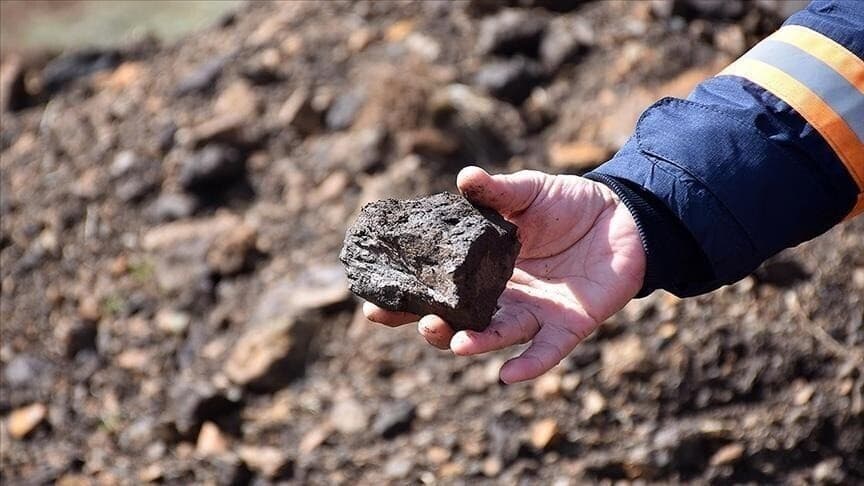
Uzbekistan is moving to a strategy of processing its own mineral resources, including rare-earth elements, into high value-added products. The country's mineral raw material reserves, including rare-earth elements, are estimated at approximately $3 trillion, and the new model of industrial partnership is being built on the model of the Turkish system of organized industrial zones.
OSTIM and TMK agreement
The Ankara-based industrial zone operator OSTIM signed an agreement with the Uzbek Technological Metals Complex (TMK) on developing industrial processing zones under the Future Metals Technoparks project. Infrastructure preparation has been completed on more than 100 hectares (about 247 acres) of land in three regions. OSTIM Chairman Orhan Aydin stated that the operator will connect the Uzbek TMK with the Turkish network of high-tech manufacturers, providing direct access to Turkish institutions that are heavily dependent on strategic materials.
Building on previous experience in Uzbekistan
The project continues OSTIM's work in Uzbekistan: the company previously provided consulting, prepared feasibility studies, and participated in drafting legislation for a technological industrial zone in the city of Akhangaran. OSTIM also serves as the main contractor for the construction of the Uzbek-Turkish organized industrial zone in Tashkent, which has already attracted direct investments from the Turkish companies HEKTAS and EVYAP. Thus, the new metal-processing technoparks are being integrated into an already functioning cooperation model that has demonstrated the ability to attract foreign capital and manufacturing expertise.