The key facts
- Jim Jordan elected House Republican leader: 106 votes to 73 for Steve Scalise
- The vote followed Speaker Mike Johnson's departure and the party's defeat in the midterm elections
- Jordan's task is to win back control of the House for the Republicans
The New Leader of the Republicans in the House
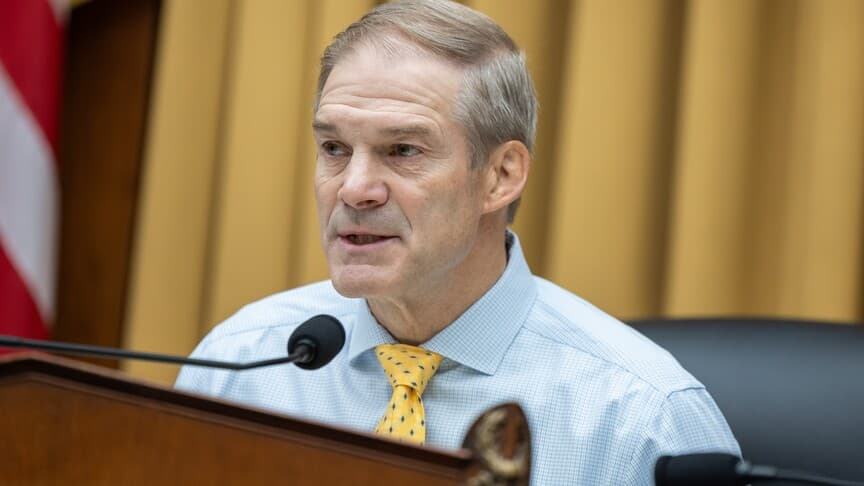
On Tuesday, November 10, 2026, Republicans in the U.S. House of Representatives elected Jim Jordan as their faction leader in the new Congress in a closed-door vote. According to Anadolu, he received 106 votes against 73 for the current Majority Leader Steve Scalise of Louisiana. The National notes that the vote was held by secret ballot, and during the campaign Jordan argued that his rival was too closely tied to the party's failed midterm elections.
The Context of the Election and New Duties
The vote took place after the current Speaker of the House, Mike Johnson, announced last week that he would not seek to keep his post. The National links the leadership change to the Republicans' 'worst rout' in midterm elections in half a century. Jordan now faces the task of returning control of the House to the party, as well as making sure that vetoes promised by President Donald Trump on Democratic bills cannot be overridden due to Republican defections.
Who Is Jim Jordan
Jordan is 62 years old; since 2006 he has represented a deeply conservative rural district in northern Ohio. He was the first leader of the ultraconservative Freedom Caucus — a bloc that pushed the party rightward using hardline tactics and frequently clashed with the party leadership. Former Speaker John Boehner, who resigned after a right-wing rebellion, once called Jordan a legislative 'terrorist.' Before politics, Jordan was a wrestling champion at the school and collegiate level and later a wrestling coach at Ohio State University. In 2018, former students accused him of turning a blind eye, while an assistant coach, to a team doctor's sexual harassment of wrestlers; he rejected all the accusations, and a university investigation found no compelling evidence that he knew what was happening.