The key facts
- Helix raised $6 million: the round was led by Chicago Ventures, with BAM Ventures, Aglaé Ventures, Corazon Capital and others participating
- The technology works locally even on an iPhone 13, determining 'humanness' and age from a voice within seconds
- Siri co-founder Dag Kittlaus became an investor and advisor to the company
Voice as a Replacement for CAPTCHA and Document Uploads
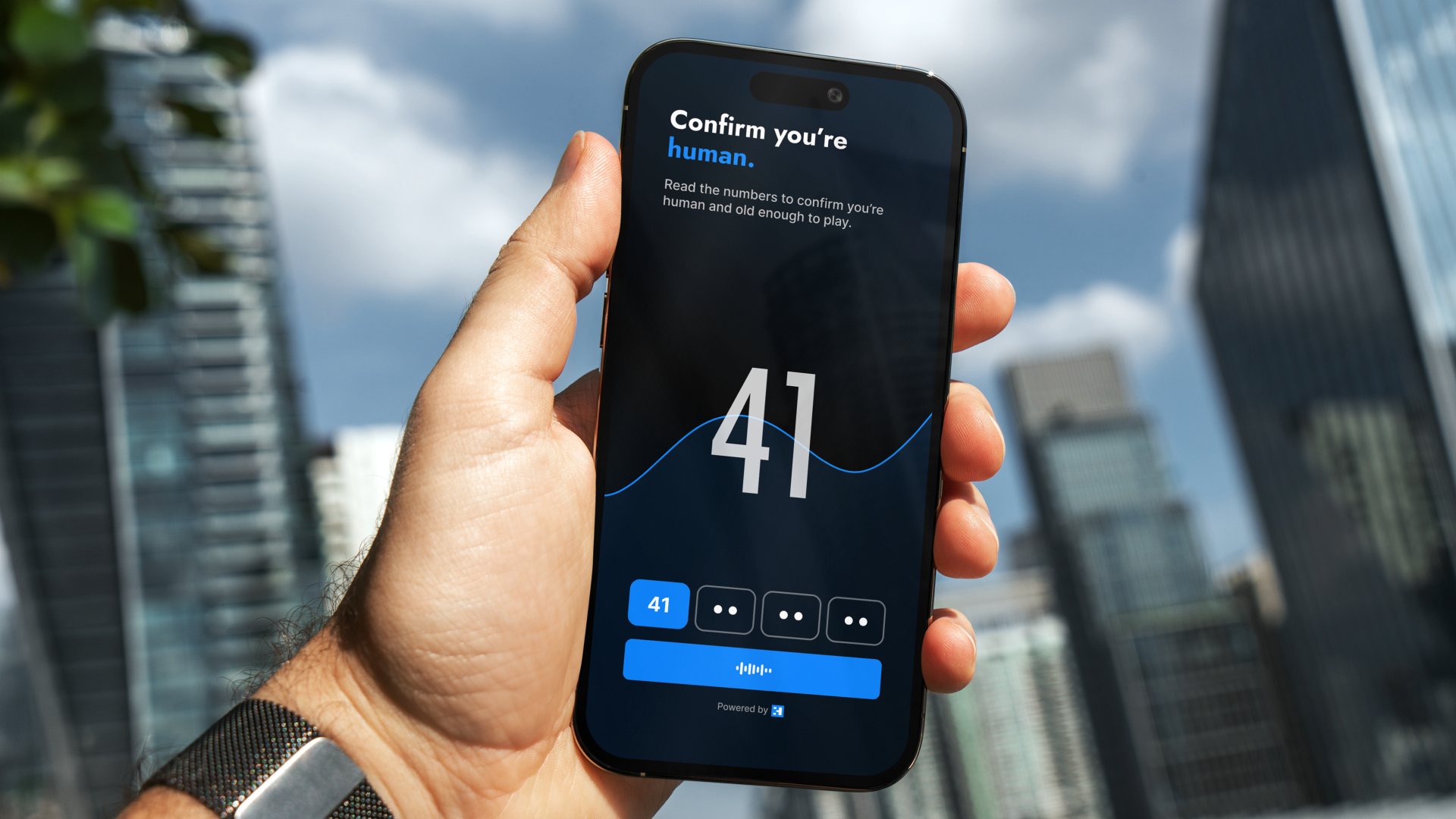
Startup Helix is betting that voice can replace the usual ways of confirming that a user is human: CAPTCHAs on websites and photo or video verification on social networks. The company's technology runs directly on the user's device and within a few seconds determines whether the interlocutor is human, while also estimating their age. According to the founders, this approach eliminates the need to transmit sensitive personal data. The company is also testing whether voice can serve as a biomarker of states such as intoxication or stress.
Who Is Behind the Project and How Much Has Been Raised
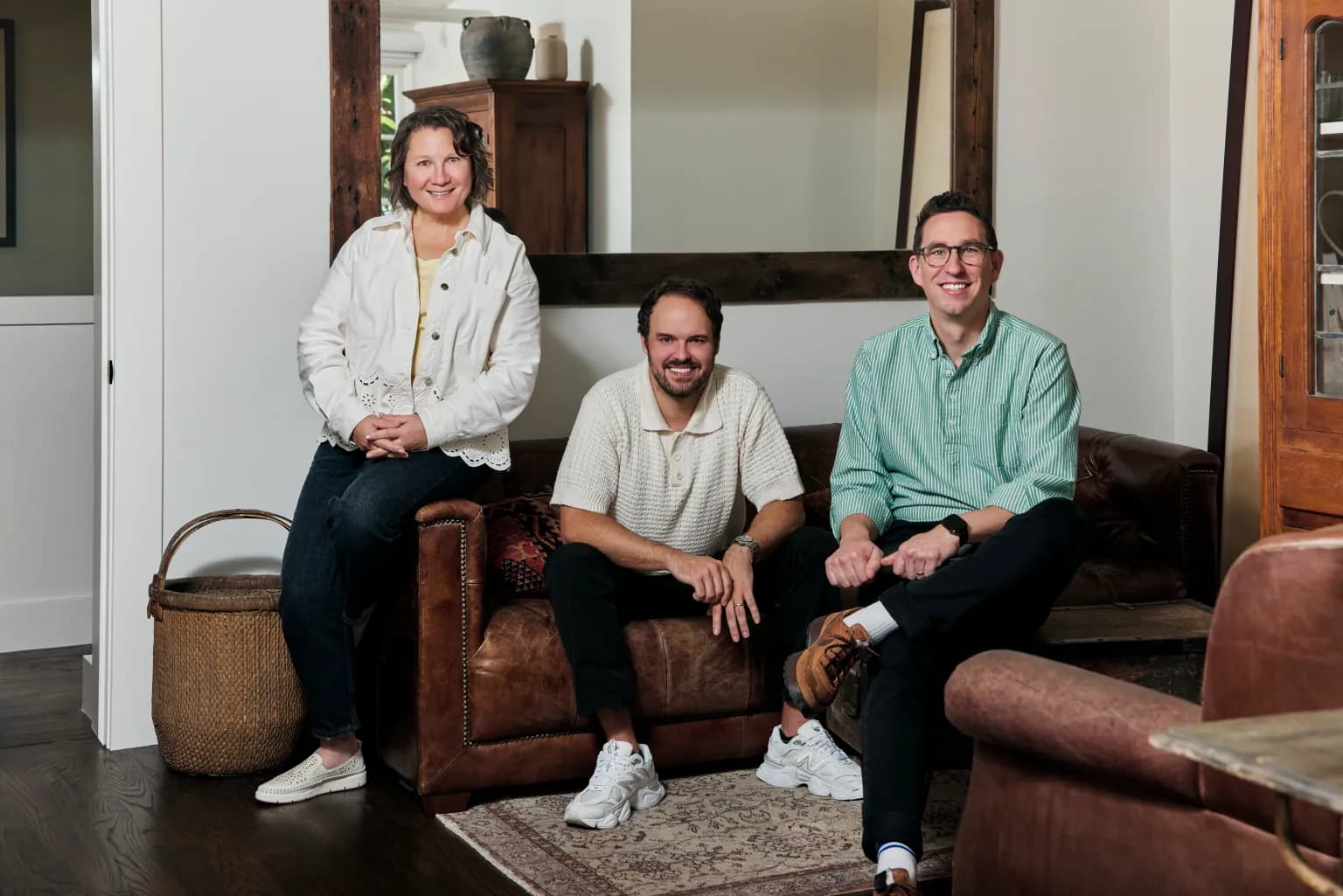
Helix was founded in 2025 by Alex Oberg, Anna Dorofiyenko and Mike Hall. Oberg previously worked at Ticketmaster, where, according to him, he participated in creating the Verified Fan system for protection against bots; Dorofiyenko led data science teams at Live Nation and Zillow, and Hall worked at Nike and Tinder, where he helped develop the original matching algorithm. The company raised $6 million: the round was led by Chicago Ventures, with BAM Ventures, Aglaé Ventures, Corazon Capital, Tusk Ventures, Yonder Ventures, Rule30 and Brown Alumni Group also participating. Siri co-founder Dag Kittlaus became an investor and advisor; he believes that voice identification has finally reached reliable performance, and that model compression gives Helix a pricing advantage.
Applications and Acknowledged Limitations
Oberg explains the concept by the fact that with the spread of AI agents, traditional identity 'proxies' — email, phone number, IP address, device fingerprint — cease to reliably distinguish people from programs. Helix proposes replacing or supplementing CAPTCHAs with its technology and claims that its model works locally even on an iPhone 13, so implementation costs are minimal. Zeel, a provider of home healthcare that verifies the identity of specialists who visit patients at home, is named among the clients; the company is also exploring verification of workers such as taxi drivers. Oberg sees demand in age verification requirements for social networks as well: according to him, regulations force users to 'trade privacy for access,' and Helix offers an alternative in the form of a four-second voice check. At the same time, the CEO himself outlined the limitations: the technology cannot reliably determine whether a person is lying, does not identify specific individuals, and, according to him, even a stored voiceprint does not allow the voice to be reconstructed. In addition, the company acknowledges that it is not yet able to reliably recognize AI agents in live phone calls — even though AI fraud in calls is growing.