The key facts
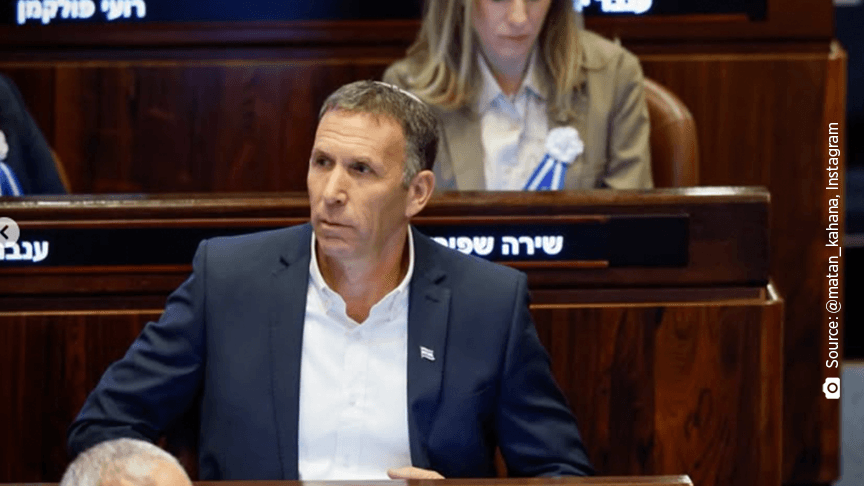
- Kahana, a former minister of religious services and retired air force colonel, has been nominated by Eiskot's bloc for the post of Knesset speaker
- The vote on removing Ohana is scheduled for November 17 after a request from 67 deputies
- Netanyahu's opponents control 67 of 120 seats but have not agreed on joint governance
Candidate nominated, vote scheduled
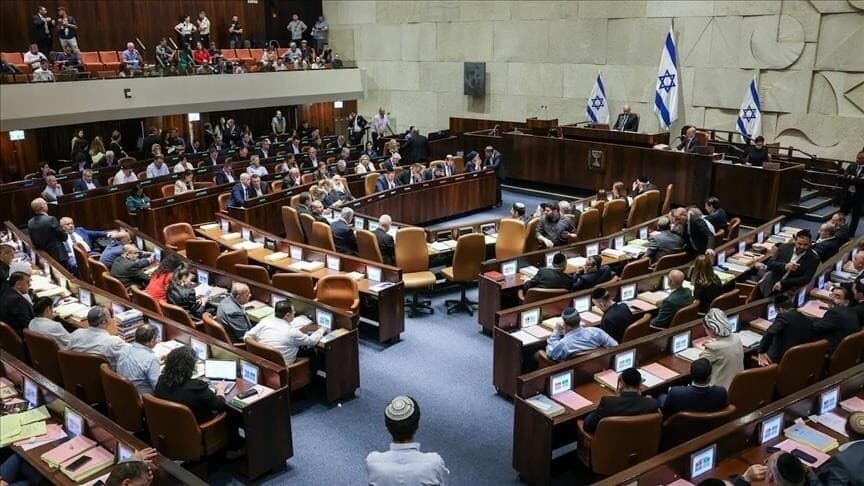
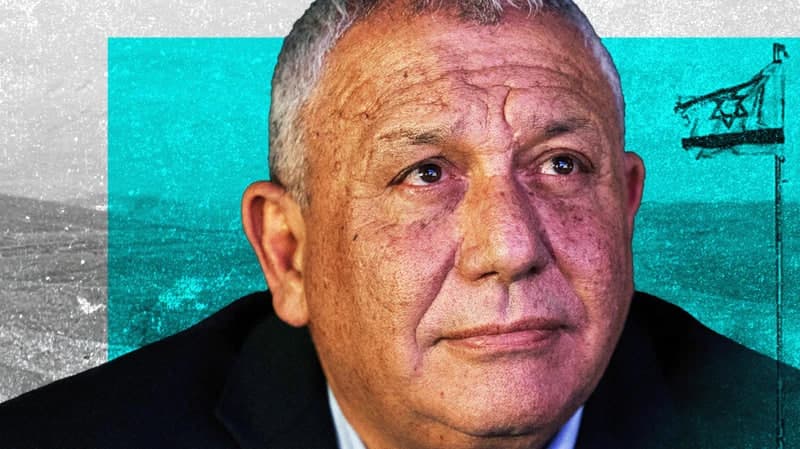
The bloc led by Yashar party leader Gadi Eiskot has nominated Matan Kahana for the post of Knesset speaker, replacing the current speaker Amir Ohana, a member of Likud, the party of Prime Minister Benjamin Netanyahu. Kahana was chosen on Tuesday, Anadolu reports. According to the Israeli newspaper Yedioth Ahronoth, which the outlet cites, Ohana scheduled the vote for November 17 after receiving a request signed by 67 deputies.
Military and political biography
Kahana is 54 years old; he was born on July 29, 1972, in Haifa, grew up in the religious agricultural settlement of Beit Gamliel, and comes from a religious-Zionist background: in his youth he was an instructor in the Bnei Akiva movement. He holds bachelor's and master's degrees in law from Bar-Ilan University, is married, and has four children.
Military and political biography
He served in the military for about 28 years: he began in the Sayeret Matkal special unit (among his fellow soldiers was future prime minister Naftali Bennett), completed flight training in 1994, and became a military pilot and commander of an F-16 squadron. According to Anadolu, he took part in Israel's wars against the Gaza Strip in 2008, 2012, and 2014, as well as in the war against Lebanon in 2006. In 2018 he retired with the rank of colonel, having previously headed a department in the Air Force headquarters.
Path into politics
Kahana entered politics in 2019 through Bennett and Ayelet Shaked's New Right party, winning a Knesset seat on the Yamina bloc's list. From June 2021 to May 2022 he served as minister of religious services in the Bennett–Lapid government; his agenda included changes to the kosher certification system, conversion procedures, and the administration of rabbinical services. In August 2022 he moved, together with Eiskot, to Benny Gantz's National Unity bloc, and in 2025 he gave up his mandate after Eiskot left the party. In September 2025 he became one of the founders of the Yashar party and won a Knesset seat on its list in the October 27 elections.
What lies behind the vote
Kahana's nomination is part of an attempt by Netanyahu's opponents to change the Knesset leadership while negotiations on forming the next government remain unfinished. According to Anadolu, the parties opposed to Netanyahu hold 67 of the parliament's 120 seats, against 53 for his camp; this coalition includes both Jewish and Arab parties, and their agreement to end Netanyahu's rule has not resolved disagreements over joint governance. Thus, the November 17 vote will show not only the fate of the speaker's post but also the durability of the opposition bloc, which has so far agreed only on changing the parliament's leadership, not on the composition of the government.