The key facts
- Israel's Supreme Court refused to release 14 Gaza doctors, including hospital directors
- Abu Safiya was denied an independent medical exam; according to a physician, his weight dropped from 90 kg to 76 kg over four months
- Human rights groups describe the detention as a practice under the 'unlawful combatants law' without trial
Court rejected release petitions
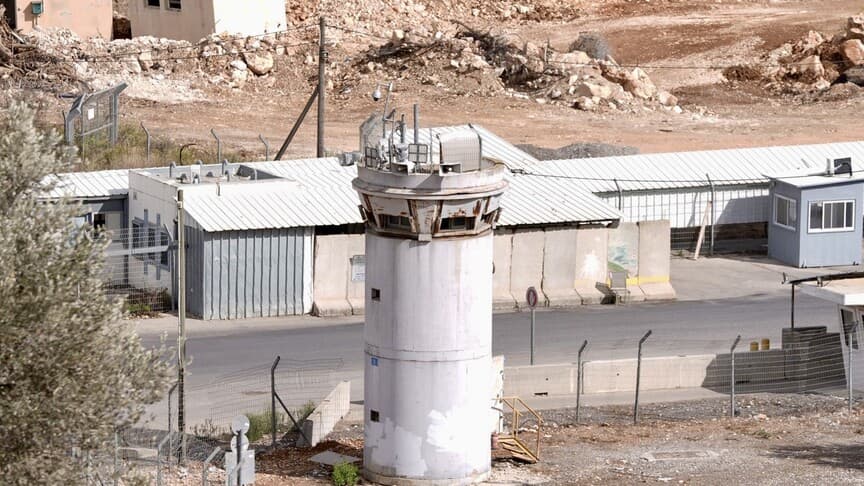
Israel's Supreme Court refused to release 14 Palestinian doctors from the Gaza Strip, including hospital directors and specialist physicians, who are being held without charge or trial. The Israeli human rights organization Physicians for Human Rights Israel announced this, reporting the rejection of two petitions. According to the organization, some of the doctors have been held in Israeli prisons for more than two years, while Gaza's healthcare system faces an acute shortage of medical staff.
Denial of independent medical examination for Abu Safiya
The Lod District Court also rejected a request to allow Hussam Abu Safiya, director of Kamal Adwan Hospital in northern Gaza, to undergo an independent medical examination and receive a second medical opinion, despite 'alarming indicators' in his medical records. Abu Safiya was detained by the Israeli army on December 27, 2024, during a raid on the hospital and is being held without charge under the 'unlawful combatants law,' which, according to human rights groups, allows prolonged detention based on intelligence and secret materials.
Health condition data
Israeli professor Amit Tirosh, a specialist in internal medicine and endocrinology, prepared an opinion based on Abu Safiya's medical file held by the prison service. He identified a number of indicators that had not received the necessary examination and treatment: the detainee's weight dropped from 90 kg in January 2025 to 76 kg in May of the same year; a decline in hemoglobin levels was noted; there were no tests to determine the cause of chest pain; and there was a delay in diagnosing scabies. According to prison service records dated July 5, 2026, a bruise around the left eye, dizziness, and rib pain were documented. Abu Safiya had previously told his lawyer that he was beaten by guards; the cause of the injuries is not explained in the medical records. Tirosh concluded that the file data contradicts the court's finding that the detainee has no health problems other than hypertension, and pointed to the need for further examinations.
Court's arguments and human rights groups' position
According to the organization, the court justified its refusal of an independent examination with claims — some of which were presented in closed sessions — about Abu Safiya's international contacts and his alleged influence on other detainees; the international campaign for his release was also mentioned among the considerations. Physicians for Human Rights Israel rejected these arguments, noting that the right to a second medical opinion is guaranteed by Israeli law and prison service regulations and should not depend on a detainee's public prominence. The organization reported that Abu Safiya was held in solitary confinement from June 2026 and is now held with one other detainee without contact with the rest. Tirosh was not allowed to personally examine the detainee, and the prison service refused to provide updated medical records, making it impossible to assess his current condition.
Context
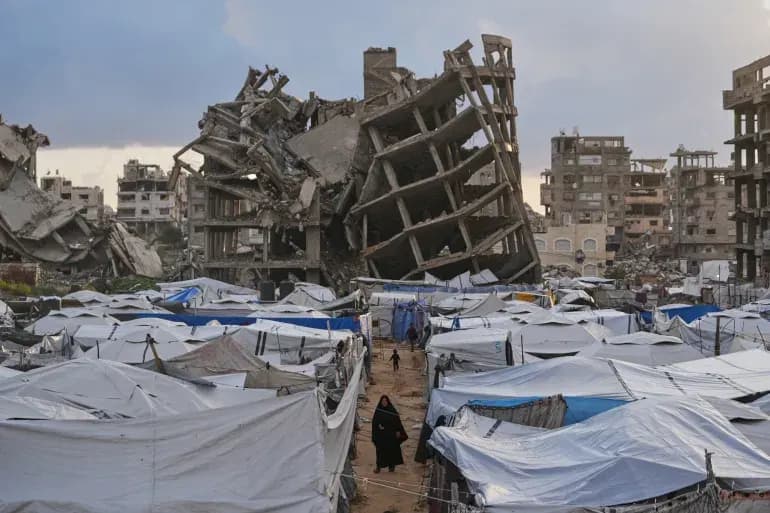
According to Palestinian and Israeli human rights organizations, about 9,350 Palestinians are held in Israeli prisons, including about 350 children and 90 women. Human rights groups report torture, starvation, and lack of medical care, as well as dozens of deaths in custody. Gaza's healthcare system, according to the source, has been largely destroyed since October 2023: about 90% of the enclave's infrastructure has been damaged or destroyed.