The key facts
- 11 activists were detained in Masafer Yatta and 12 deported from Kafr Ni'ma; among them citizens of the USA, Canada, Germany, Italy and Hungary
- Since the campaign began on 28 September, about 800 foreign activists, including diplomats, have taken part
- In October, 3,133 attacks were recorded and 5,890 trees damaged, of which 4,498 were olive trees
Detentions and deportations of activists
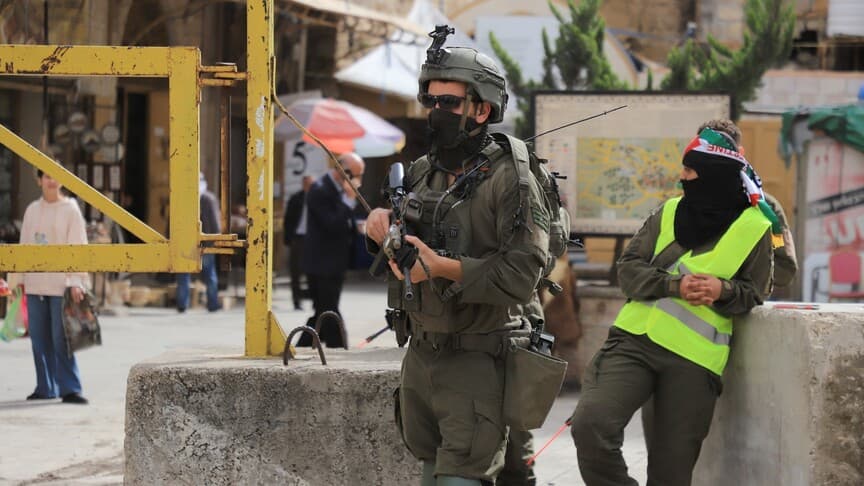
Israeli authorities detained 11 foreign activists and deported 12 more who had taken part in supporting Palestinian farmers in the occupied West Bank. This was reported by Mohammed Matar, coordinator of the Palestinian campaign 'Fasaa', to the Anadolu Agency. According to him, 11 activists were detained in the al-Bawabir area of Masafer Yatta — among them citizens of Italy, Germany, the USA and Hungary. Another 12 people were deported from the village of Kafr Ni'ma west of Ramallah; among them were citizens of the USA, Canada, Germany and Italy. The measures also affected Italian journalists, and several Palestinian farmers and local residents were detained — Matar did not specify their number.
The course of the 'Fasaa' campaign
'Fasaa' is a Palestinian volunteer initiative that brings together foreign activists to support farmers and communities in the West Bank. The campaign began on 28 September after about four months of preparation and is due to run until the end of November. According to Matar, around 800 foreign activists, including diplomats, have taken part since it began; volunteers usually come for periods ranging from two weeks to three months. The goal is to cover 'as much agricultural land as possible' and support farmers who are under attack. Matar said the campaign has achieved about 70% of its strategic goal, despite obstacles including measures by the Israeli army and attacks by settlers. Among the main difficulties he cited the fear some farmers have of reaching their land, restrictions on movement around the West Bank, and difficulties in transporting activists. The work is not limited to the olive harvest season: it includes supporting vulnerable communities, providing civilian protection for their residents, and helping to restore damage caused by bad weather and military operations in the Jordan Valley.
The role of foreigners and documentation
Matar acknowledged that the presence of foreign activists on the ground sometimes reduces the scale of attacks, but does not provide farmers and communities with constant protection: some activists were detained and deported despite their American and European citizenship. After returning home, they tell their communities about what they saw — the coordinator called this 'people-to-people diplomacy'. He linked the detentions of activists and journalists to attempts to restrict Palestinian society and to influence the transmission of the Palestinian narrative to the world. In his view, the presence of journalists and activists makes it possible to document Israeli practices, whereas Israel publishes video clips in which soldiers help farmers harvest olives.
Statistics on attacks in October
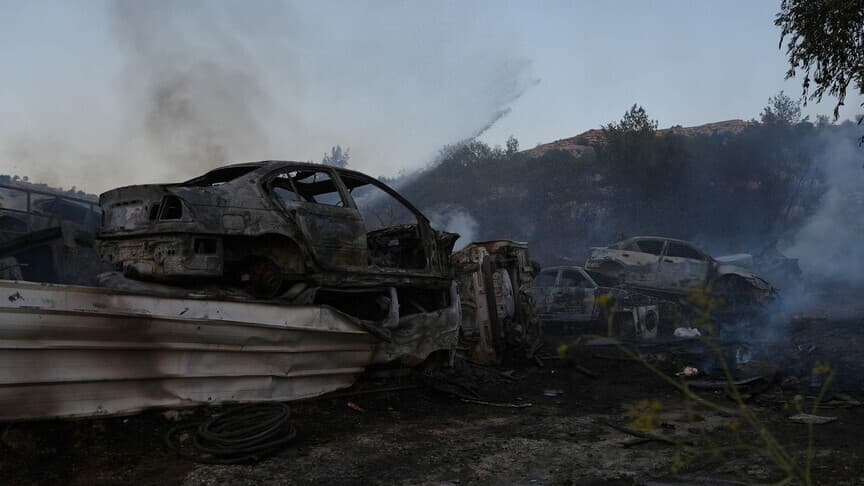
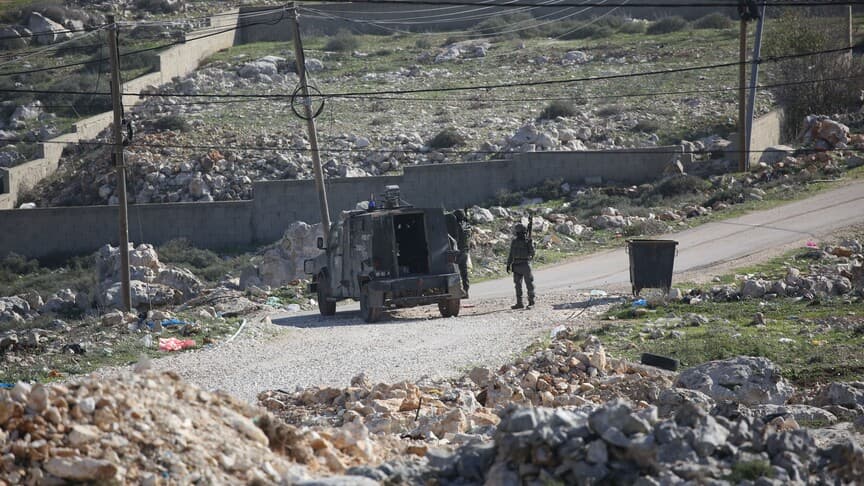
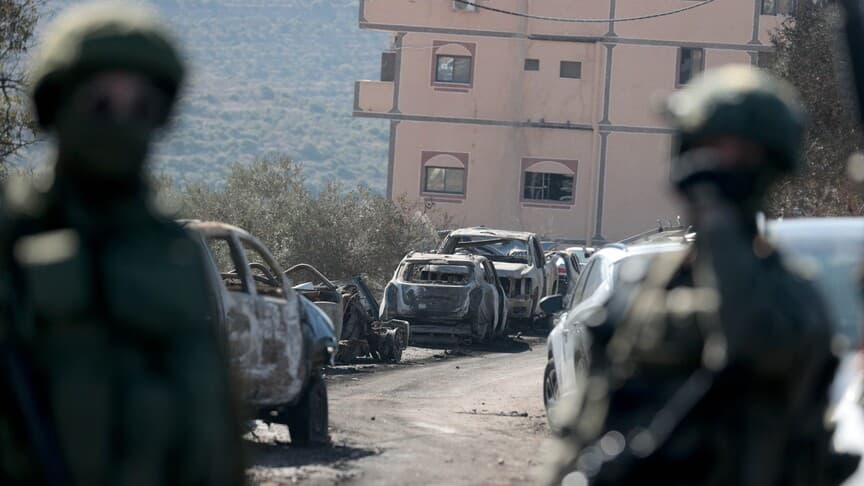
Matar's remarks came against the backdrop of an escalation of attacks on Palestinians and their property, especially during the olive harvest season. According to the monthly report of the Palestinian Commission Against the Wall and Settlement Colonization dated 2 November, Israeli soldiers and settlers carried out 3,133 attacks in the West Bank in October — 52.8% more than in September. Security forces accounted for 1,764 incidents and settlers for 1,369; the number of attacks by settlers alone rose by 111.6% compared with September. The largest number of incidents was recorded in the provinces of Ramallah and al-Bireh (393), Nablus (353) and Hebron (255). The attacks damaged 5,890 trees, of which 4,498 were olive trees.