The key facts
- The bill was introduced by Socialist Party First Secretary Olivier Faure and backed by more than 100 deputies from eight groups
- The document bans imports from settlements, commercial and financial transactions, as well as services supporting settlements, including tourist housing rentals
- Violations carry prison terms and fines; for the law to pass, the National Assembly and the Senate must agree on a single text
What the Bill Proposes
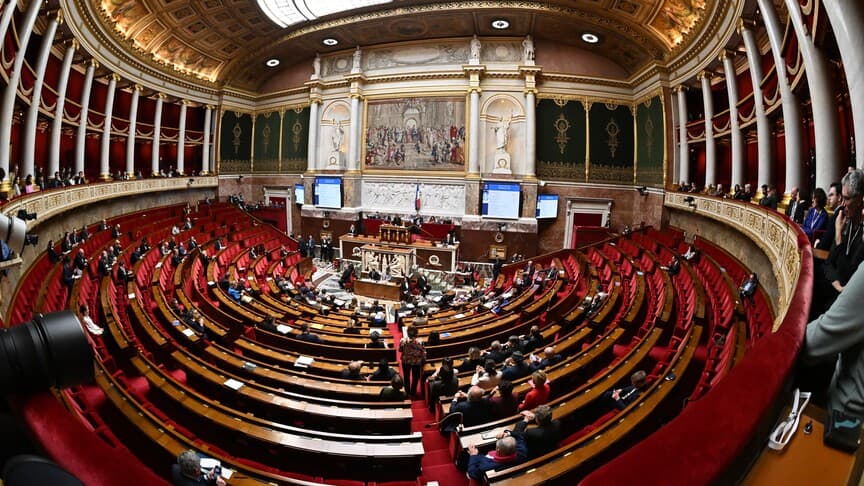
A bill has been introduced in the French National Assembly banning trade with Israeli settlements in the occupied West Bank of the Jordan River. The document was presented by Socialist Party First Secretary Olivier Faure; it was backed by more than 100 deputies from eight different political groups. The bill has already been approved by a parliamentary committee, and its consideration in a plenary vote is expected on November 19.
Content of the Initiative
The document provides for a ban on imports of products from West Bank settlements, as well as on commercial and financial transactions with them. In addition, it proposes banning financial services that help sustain the settlements, including the rental of tourist housing. Companies face prison terms and fines for violating the ban. For the law to enter into force, a single text must be agreed between the National Assembly and the Senate.
The Author's Arguments
Faure told journalists that the bill is not directed against Israel as such. According to him, there is a contradiction between condemning settlements that violate international law at the diplomatic level and maintaining economic ties with them, and the proposed measure is meant to eliminate this inconsistency.
Context: Tender in the E1 Area
Against the backdrop of the French initiative, three Israeli human rights organizations — Ir Amim, Bimkom and Peace Now — reported that Israel will open a tender on December 1 for the construction of 2,167 housing units in a settlement project in the E1 area east of occupied East Jerusalem; bids will be accepted until December 28. The organizations viewed this schedule as evidence of the determination of Benjamin Netanyahu's government to advance the project while it remains in power. According to their description, the E1 project would cut East Jerusalem off from the Palestinian communities to its east and disrupt territorial connections between the northern and southern parts of the West Bank. The project has already drawn widespread international criticism: governments warn that it jeopardizes the prospects of a viable Palestinian state.