The key facts
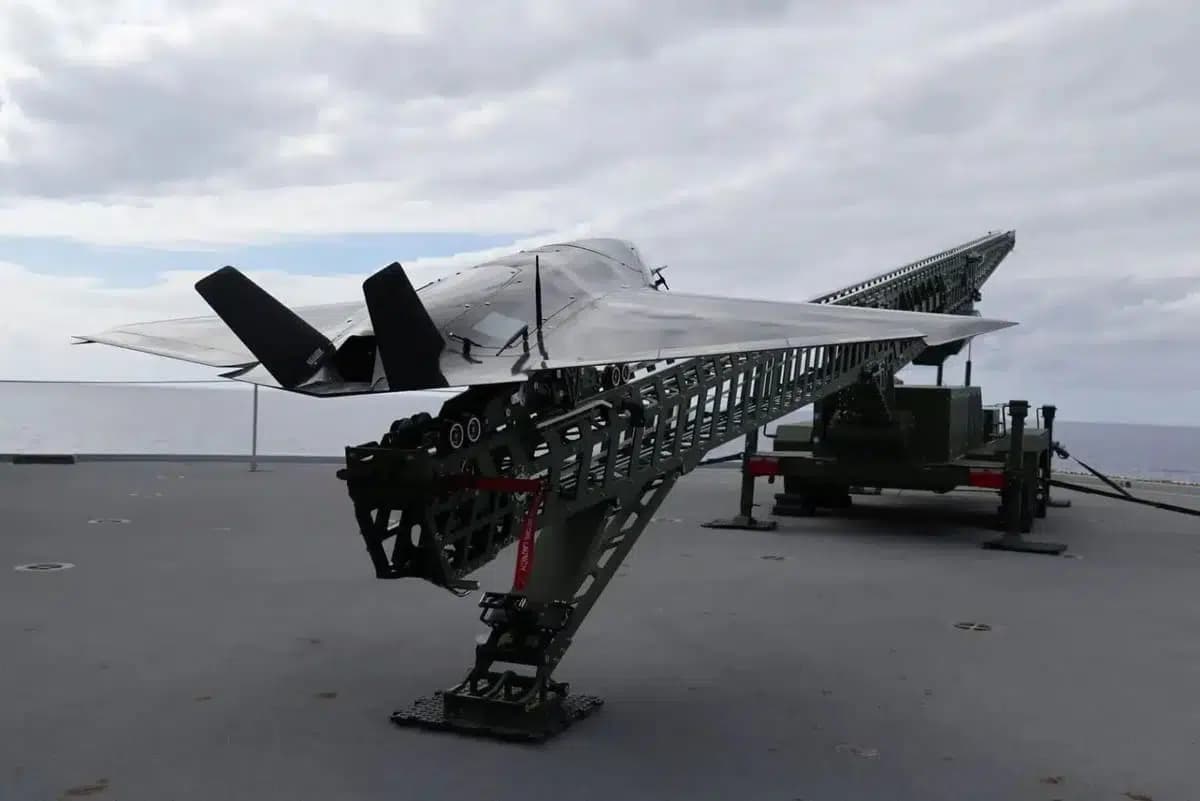
- One-way strike drones Nyan Maritime, produced by Callen-Lenz, were launched from a British aircraft carrier for the first time
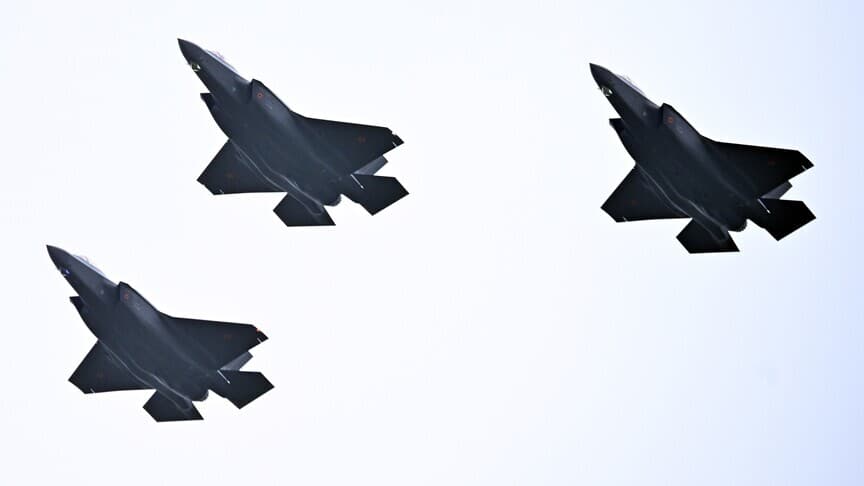
- The tests demonstrated the interaction of autonomous strike systems with fifth-generation F-35B fighter jets
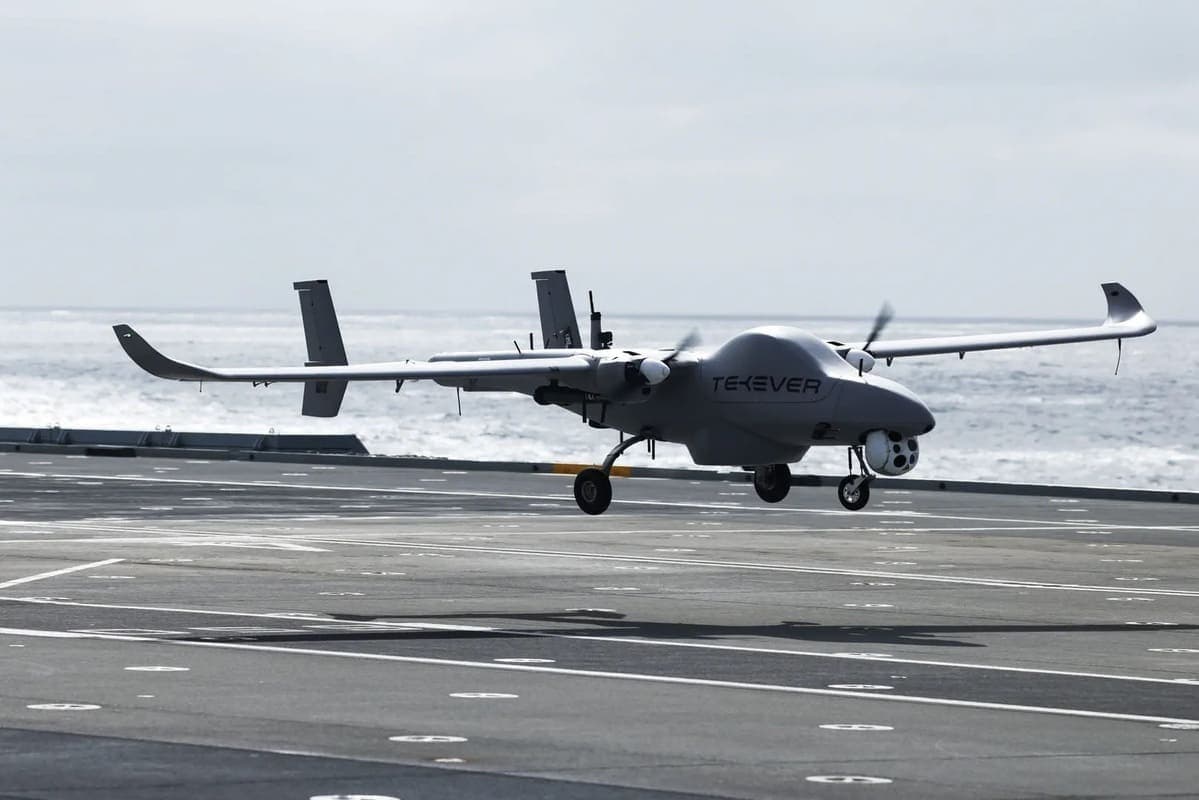
- The fixed-wing Tekever AR5, with a wingspan of 7 m and a payload of up to 80 kg, also took off from the deck for the first time
First launch of strike drones from the deck
The Royal Navy of the United Kingdom has for the first time successfully launched strike unmanned aerial vehicles from an aircraft carrier. This was reported by Kun.uz, citing a Naval News publication. The tests took place in mid-October in the North Atlantic: one-way strike drones Nyan Maritime, developed by the British company Callen-Lenz, took off from the flight deck of HMS Queen Elizabeth.
Joint operations with F-35B fighter jets
During the tests, specialists examined how autonomous strike systems could operate in coordination with fifth-generation F-35B fighter jets. The Navy views these tests as another step toward implementing the carrier's 'hybrid air wing' concept, which envisions the simultaneous use of crewed aircraft and drones. The idea is that such an approach should extend the operational range of carrier groups, enhance strike capabilities and operational flexibility, while also reducing the risk to personnel.
Tekever AR5 tests and data obtained
In parallel, the carrier also tested the fixed-wing Tekever AR5 drone, which also took off from the carrier deck for the first time. Its wingspan is seven metres, and its payload is up to 80 kilograms; the vehicle can be used both for logistics missions and for operational purposes. The tests were aimed at practising intelligence gathering, surveillance, target detection and reconnaissance: the drones operated alongside strike systems, demonstrating the ability to form a more coordinated combat structure. The flights from HMS Queen Elizabeth were carried out by the Navy together with weapons experts and industry representatives. It is noted that earlier this year a similar drone was launched at sea for the first time from the trial vessel XV Patrick Blackett. Based on the results of the tests, the conclusion was drawn that unmanned aviation can expand the capabilities of British aircraft carriers and increase their adaptability to various missions.