
The key facts
- Bangladesh stated that the number of Rohingya in the country has exceeded 1.5 million, despite lower official figures
- Dhaka called for diplomatic pressure on Myanmar from China, India, the US and the EU
- A ruling by the International Court of Justice on the case of the alleged genocide of the Rohingya is expected on 19 November
Meeting in Dhaka: more than 1.5 million refugees
Bangladesh has called for coordinated international action to ensure the safe, voluntary and dignified repatriation of the Rohingya to Myanmar, reporting that their number in the country has exceeded 1.5 million. The news came following a meeting between Tom Andrews' successor as UN Special Rapporteur on the situation of human rights in Myanmar, Kelly E. Curry, and Bangladesh's Home Minister Salahuddin Ahmed in Dhaka, as reported by Anadolu, citing a statement from the ministry.
Burden on the economy and an expected court ruling
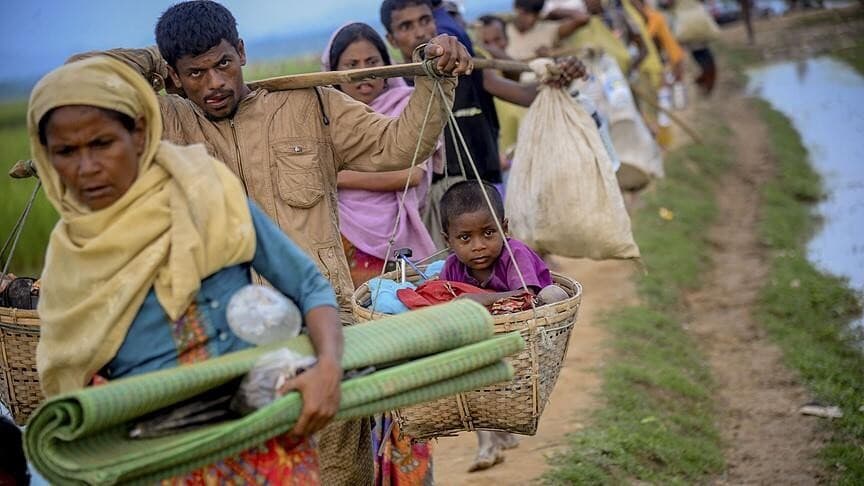
Ahmed noted that although official records indicate a lower figure, more than 1.5 million Rohingya are currently taking refuge in Bangladesh. Most of them have been living in camps in the south-eastern coastal district of Cox's Bazar since August 2017, when they fled a military operation in Myanmar. According to the minister, the prolonged accommodation of such a large group of refugees has placed a significant burden on the country's economy.
Diplomatic pressure and Rohingya rights
The minister also called on the international community to act responsibly in connection with the expected 19 November ruling by the International Court of Justice on the case concerning the alleged genocide of the Rohingya in Myanmar. The meeting underscored the need for coordinated diplomatic pressure on Myanmar from influential players, including China, India, the United States and the EU. Curry, for her part, pointed to the history of human rights violations against the Rohingya and stated that the UN and its partners are working to create conditions for repatriation, as well as seeking to secure citizenship and fundamental rights for the Rohingya in their homeland.