The key facts
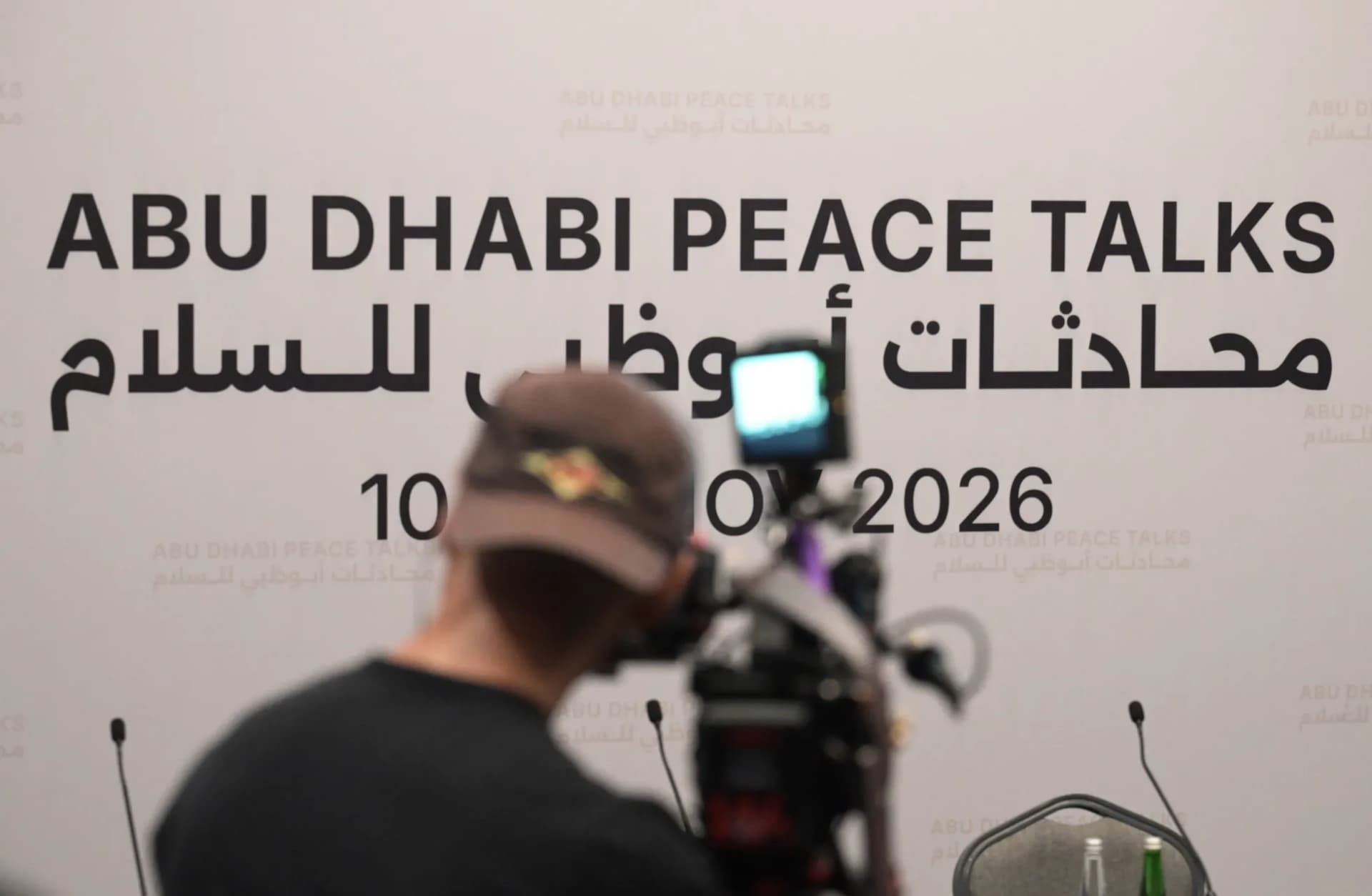
- Talks in Abu Dhabi are taking place on November 10–11, the first round in nine months since the previous round mediated by the US
- Zelensky called the talks 'constructive', Rubio 'very productive', but Lavrov rejected a ceasefire
- The territorial issue remains the main obstacle: Moscow demands the entire Donbas, Kyiv refuses to cede territory
Resumption of talks after a nine-month pause
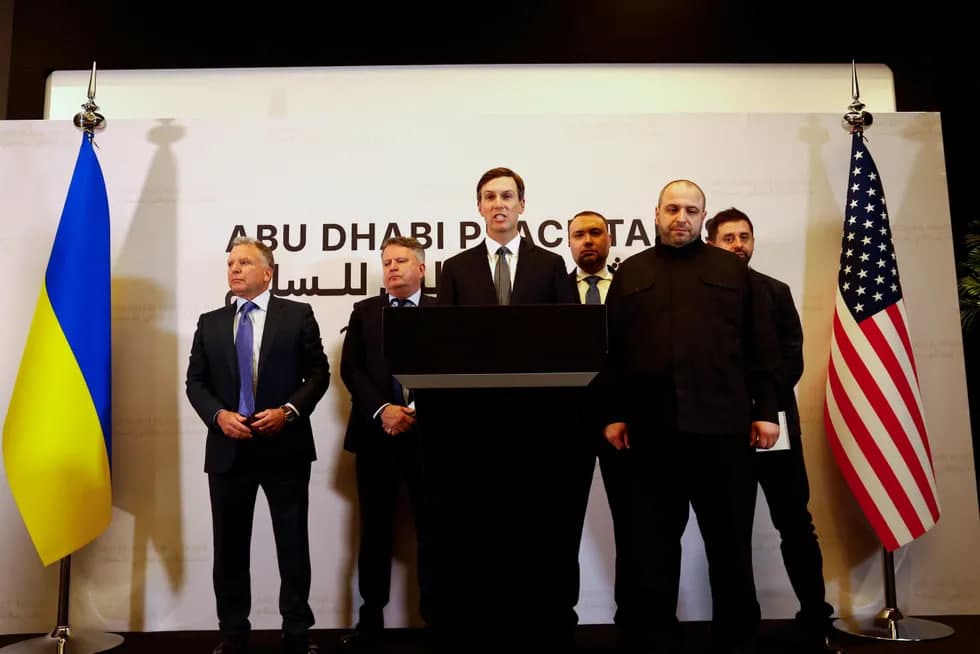
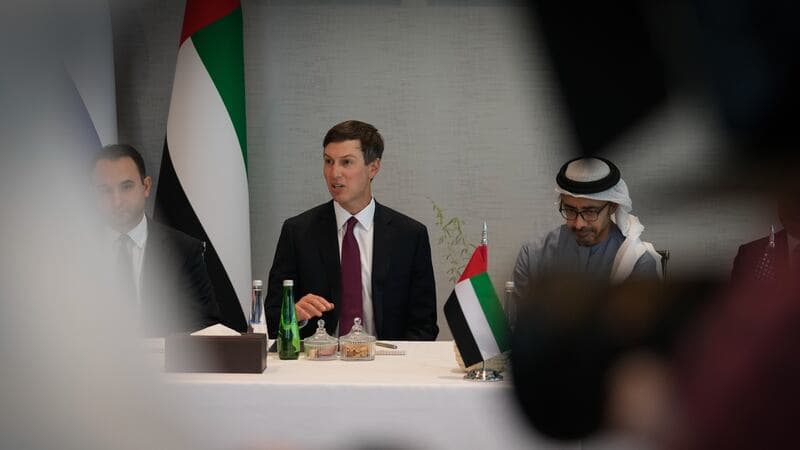
In Abu Dhabi on November 10–11, talks between Ukraine and Russia mediated by the United States resumed — the first round in nine months. The first day sent mixed signals: Ukrainian President Volodymyr Zelensky called the discussions 'constructive and quite substantive', US Secretary of State Marco Rubio — 'very productive'. Prisoner exchanges, security guarantees and possible de-escalation were discussed.
Moscow against a ceasefire, Europeans left out
Moscow's tone was markedly different: Russian Foreign Minister Sergey Lavrov rejected a ceasefire and accused the Europeans of seeking a truce in order to deploy troops in Ukraine. He reacted dismissively to the presence of European officials in Abu Dhabi: 'Well, they flew to Abu Dhabi. Let them sit in the hotel.' The Europeans held separate consultations with Kyiv and Washington, but remain excluded from the trilateral talks, despite signals from the US about their possible involvement in the future.
Territory — the main sticking point
The key problem is territory. According to a senior US official quoted by American media, Ukraine and Russia have allegedly shown some quiet flexibility, although the parties' public positions remain far apart. The same official noted that the territorial issue cannot be settled until postwar security guarantees for Ukraine are agreed. Moscow still demands control over the entire Donbas, including areas it failed to capture, while Kyiv refuses to give up territory. The prospect of a deal capable of reshaping the architecture of European security also worries Europeans, who see in it an attempt by Moscow to restore a sphere of influence in Eastern Europe and sow division among Western allies.
Delegation composition as a hint at the substance of the talks
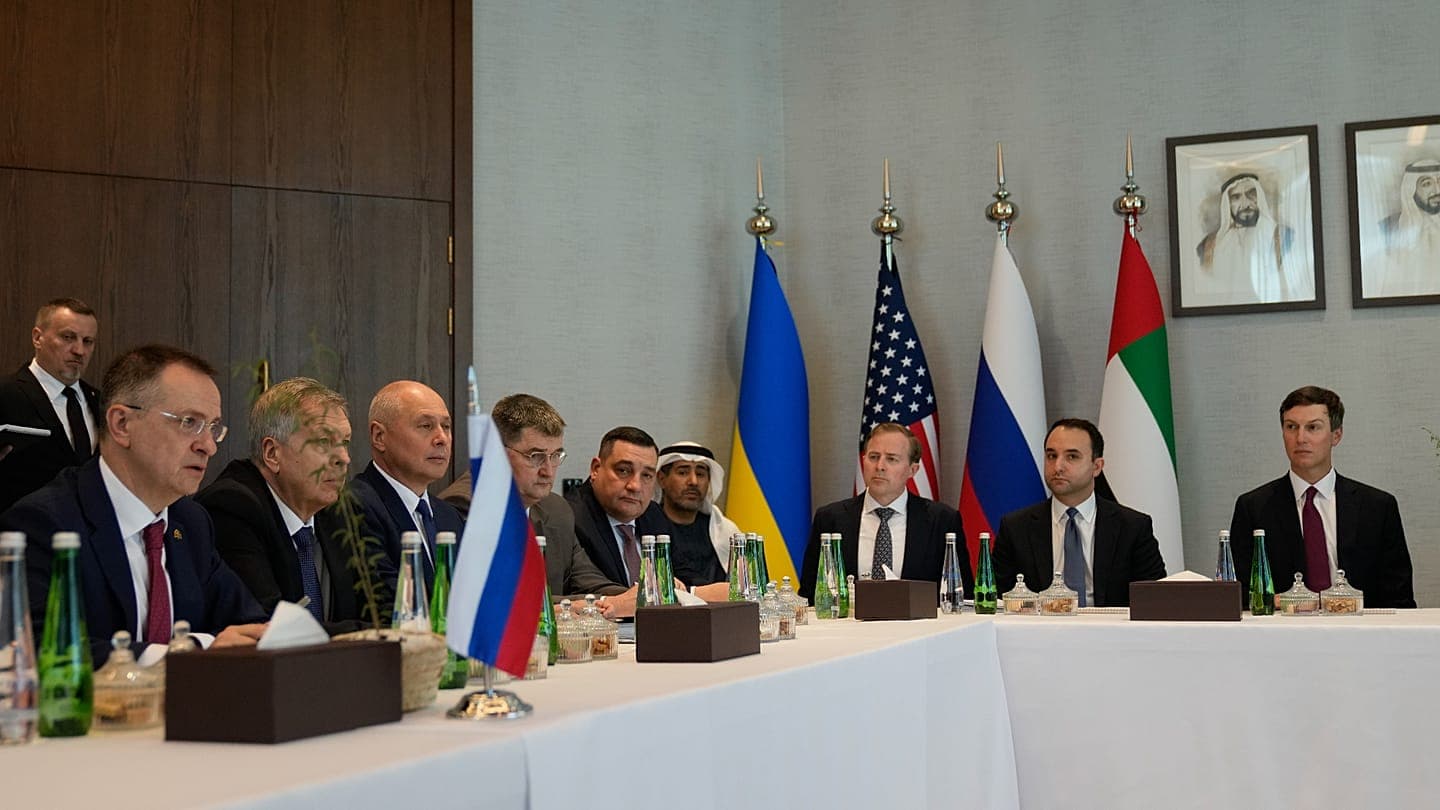
The composition of the delegations offers insight into the parties' goals. Kyiv has largely kept the team from previous rounds, signalling continuity of its course toward a ceasefire as a first step toward a broader peace agreement. Moscow, by contrast, brought senior military figures and diplomats, including Deputy Foreign Minister Sergey Ryabkov, who took part in preparing Russia's demands to NATO shortly before the full-scale invasion in 2022. NATO is also represented in Abu Dhabi, led by the alliance's Supreme Allied Commander Alexus Grynkewich; NATO's Deputy Supreme Allied Commander Europe, Sir John Stringer, in a conversation with an Euronews correspondent praised Ukraine's strikes on Russian oil refineries — which US President Donald Trump called on Kyiv to stop — and said the allies should 'welcome' Ukraine's success in 'inflicting damage on Putin'.