The key facts
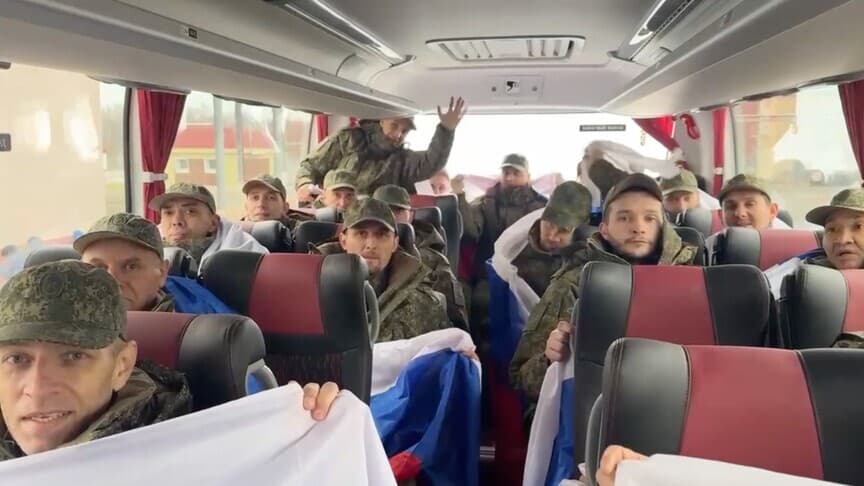
- Ukraine and Russia agreed in principle to the largest humanitarian prisoner exchange; the exact number was to be determined the next day
- Zelensky spoke of an exchange of 1,000 for 1,000, possibly up to 1,500 from each side
- Kushner and Witkoff planned a meeting with Putin in Moscow, then talks with Zelensky in Dublin
The only concrete outcome in nine months
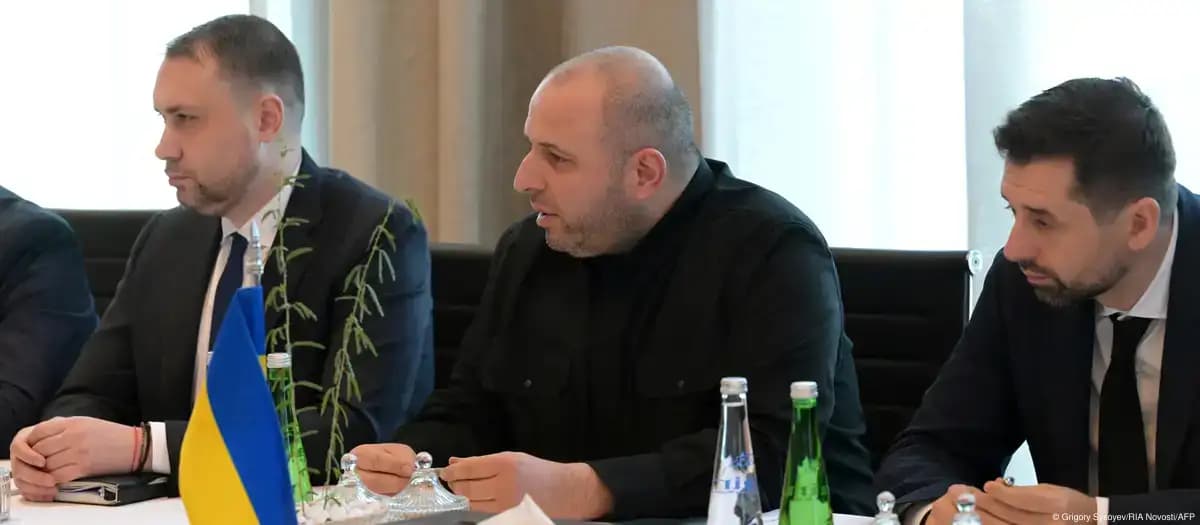
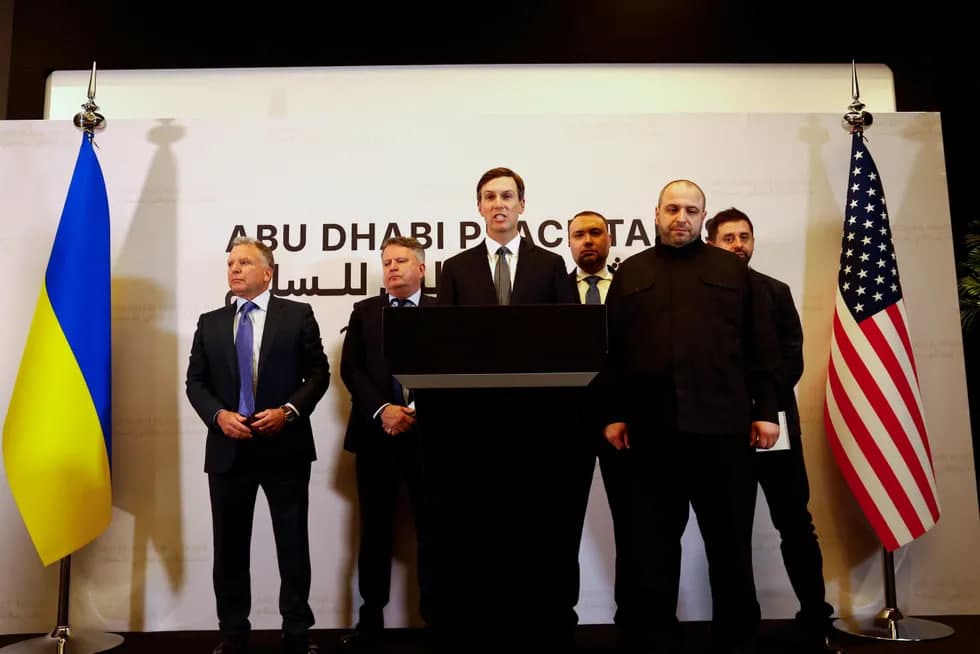
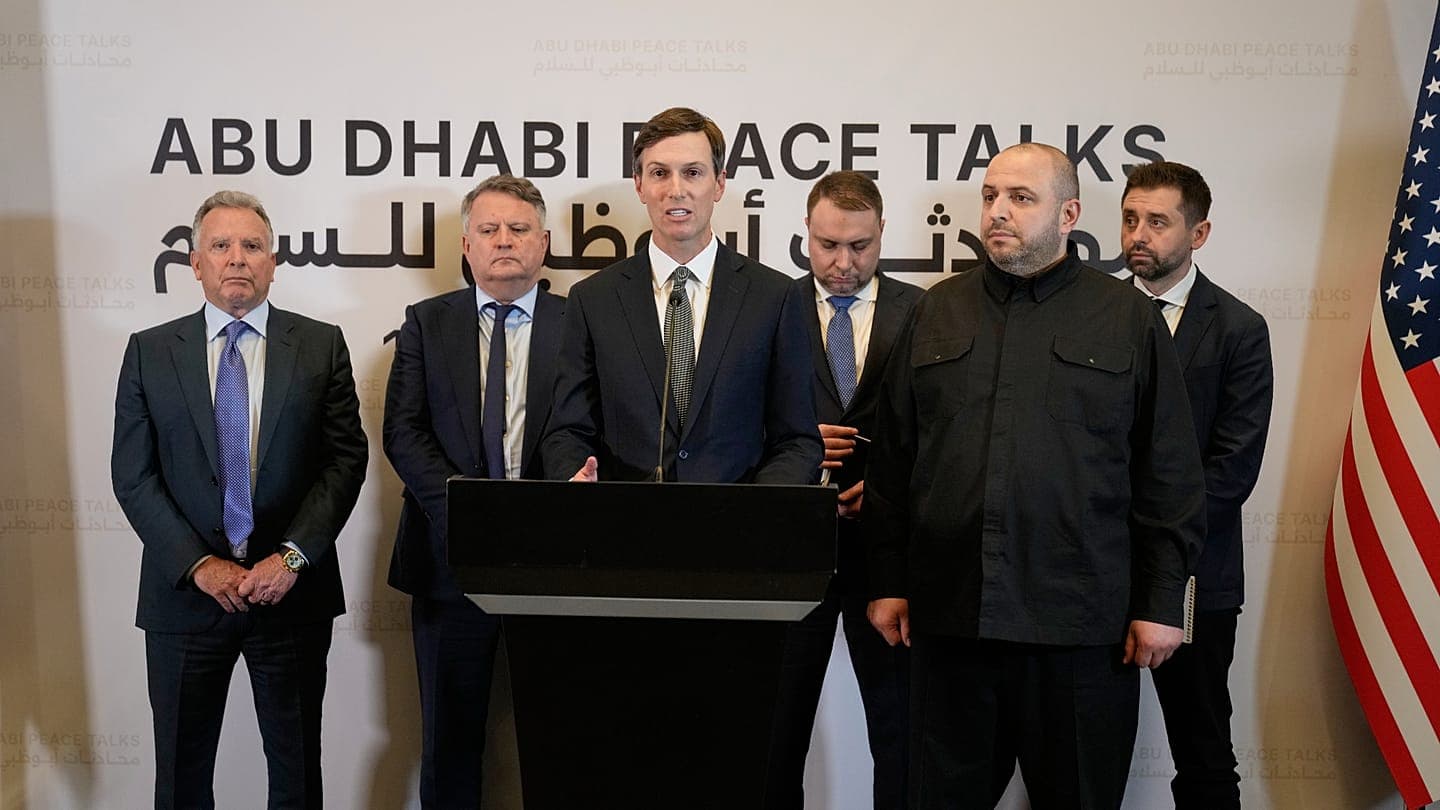
Following two days of US-mediated talks in Abu Dhabi, Ukraine and Russia agreed in principle to a major prisoner exchange. American envoy Jared Kushner announced the agreement on Wednesday, noting that the final number of those to be released would be determined the next day. 'One of the positive moments — we agreed on the largest humanitarian release of prisoners,' he said. Ukrainian negotiator Rustem Umerov and his Russian counterpart Vladimir Medinsky confirmed the exchange plan but disclosed neither the timing nor the scale.
The scale of the exchange and the context
Volodymyr Zelensky said as early as Tuesday that an exchange of 1,000 prisoners from each side was being discussed, with the possibility of increasing it to 1,500. This is the only concrete result of the first direct talks between Kyiv and Moscow in nine months — after the round in Geneva in February, which produced no breakthrough. There is a precedent of partial similarity: at the talks in Istanbul in May 2025, the sides also agreed on an exchange of 1,000 people each, without reaching agreement on a ceasefire.
Key disagreements remain
There has been no progress on the central issues. Russia insists on the withdrawal of Ukrainian troops from the areas of Donbas controlled by Kyiv, while Zelensky believes territorial issues should be resolved at the leaders' level. Moscow also rejects an immediate ceasefire, demanding first broader security agreements. Kushner said that he, together with Steve Witkoff, plans to travel to Moscow on Thursday for a meeting with Vladimir Putin, and then to Dublin for talks with Zelensky.
Europe's role
European representatives were present in Abu Dhabi for separate consultations with Ukrainian and American officials, but did not directly participate in the three-way talks. Medinsky said his delegation did not communicate with the Europeans: 'We don't quite understand in what capacity they are here.' According to him, Moscow has not received any concrete peace initiatives from European countries. Umerov said the Ukrainian delegation would continue discussions with European partners on Wednesday. Washington, for its part, indicated that European countries should eventually join the talks, especially once the discussion expands to future security mechanisms for the continent.