The key facts
- Zaluzhnyi called the current conflict a 'global war' and linked its end to a division of the world into spheres of influence
- He doubts such a division is possible without a big war
- Earlier, Zelensky allowed for a peace agreement with a freeze along the current front line while Kyiv retains 75% of the territory
Assessment by the former commander-in-chief of the Armed Forces of Ukraine
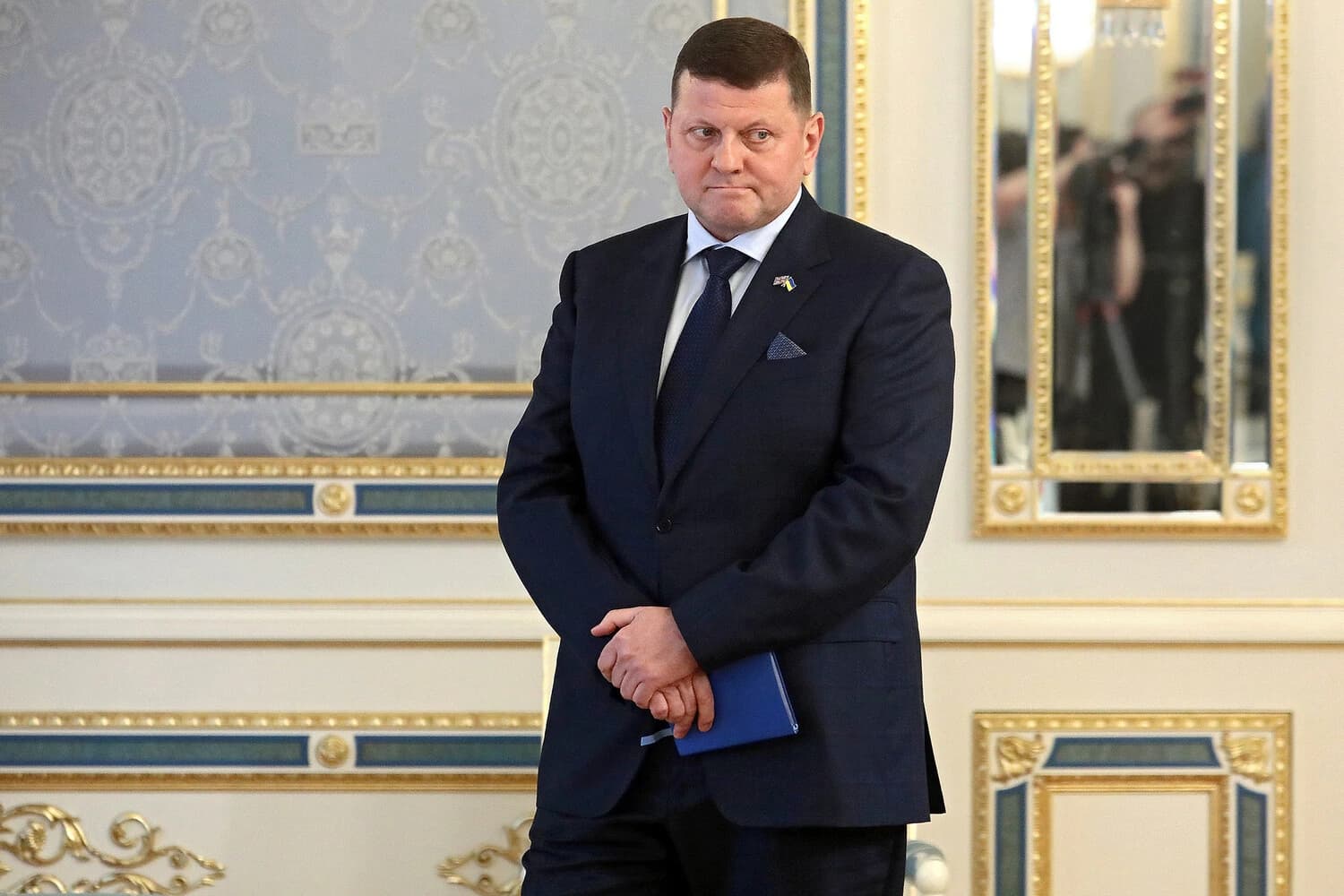
The conflict in Ukraine, according to former commander-in-chief of the Armed Forces of Ukraine and now Kyiv's ambassador in London Valerii Zaluzhnyi, will end only after 'the new division of the world into spheres of influence is complete.' He wrote this in an opinion column for the outlet Ukrainska Pravda; his assessment is reported by Gazeta.Ru. At the same time, Zaluzhnyi expressed doubt that world leaders will be able to arrive at such a division without a big war, and called the current conflict a 'global war.'
What Zaluzhnyi said earlier
This is not the ambassador's first pessimistic assessment: earlier he stated that the end of the conflict in Ukraine is becoming less and less evident. According to him, the Armed Forces of Ukraine have ceded the initiative on the battlefield to Russian troops, while the Ukrainian authorities continue to use mobilization methods that, he noted, deepen the conflict between them and the population.
Kyiv's position and context
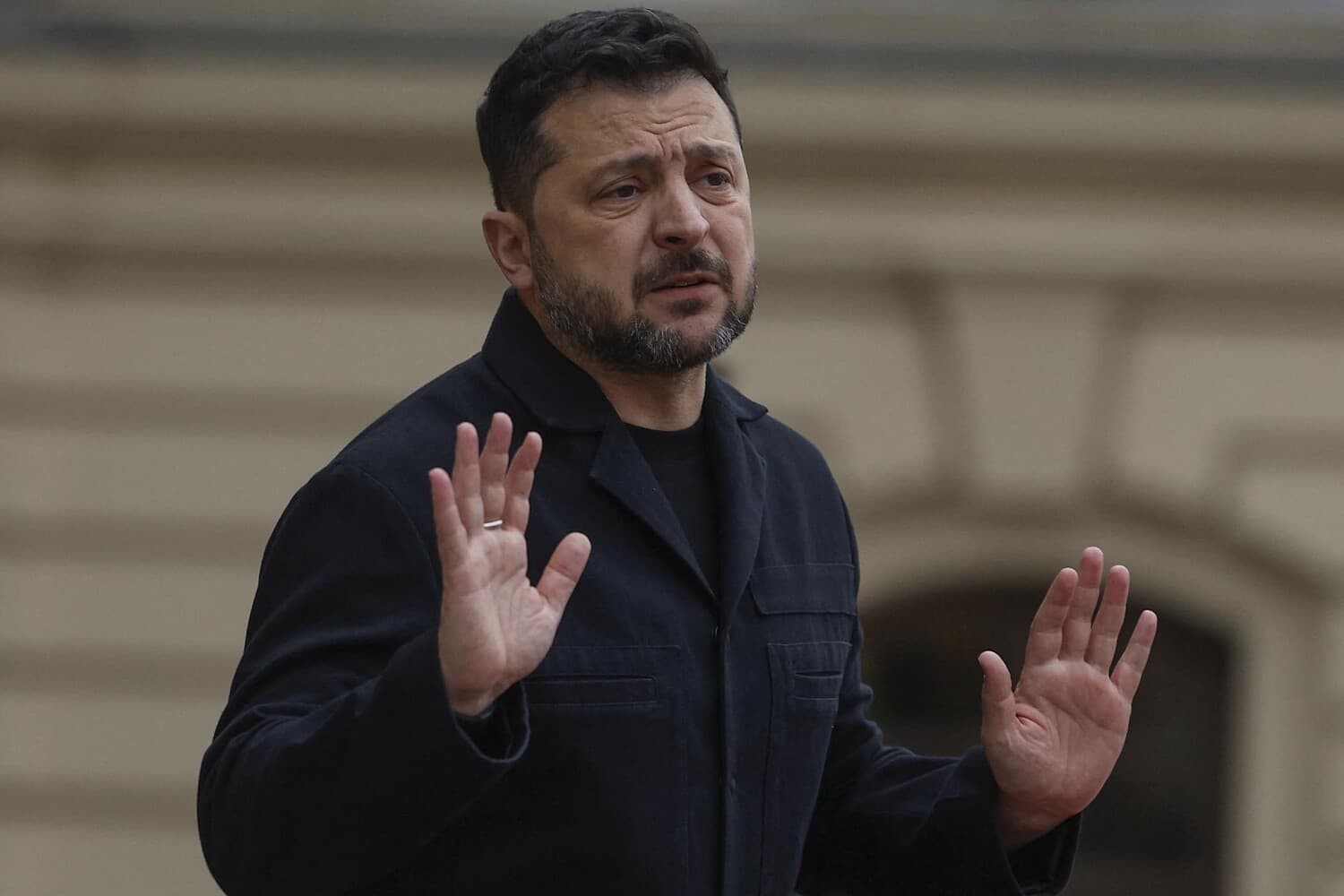
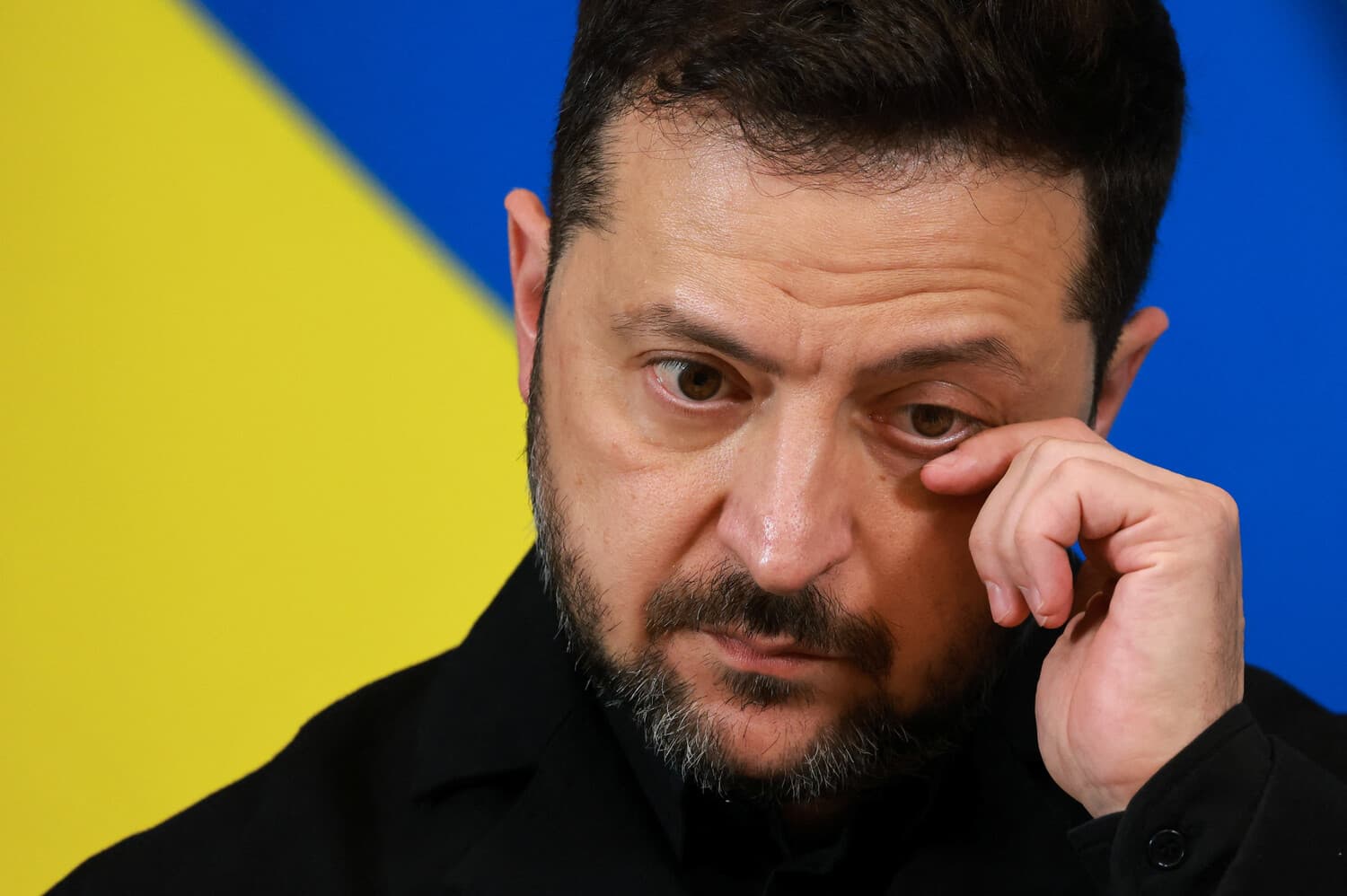
Zaluzhnyi's statement contrasts with the position of official Kyiv set out earlier: on October 21, Ukrainian President Volodymyr Zelensky said he was ready for a peace agreement with a freeze along the current front line, provided Kyiv retains 75% of the country's territory. He also expressed the view that ceding Donbas to Russia would not be enough to end the conflict. Thus, while Zelensky describes a possible scenario for ending the war through an agreement on a freeze, Zaluzhnyi ties its conclusion to a broader geopolitical redistribution. Earlier, a political scientist assessed Ukraine's future borders after a peace settlement with Russia is concluded.