The key facts
- A traffic fine must be paid within 60 days; if appealed — within 30 days after notification of the denial
- An unpaid fine is grounds for impounding the vehicle without drawing up a protocol; paying on the spot can avoid the impound lot
- The instruction replaces the 2011 document and enters into force on January 7, 2027
New Ministry of Internal Affairs instruction on unpaid fines
Uzbekistan has approved a new instruction on the procedure for processing and reviewing administrative cases involving traffic rule violations, which clarifies the mechanism for impounding vehicles over fines unpaid for 60 days. The document was approved by an order of Minister of Internal Affairs Aziz Tashpulatov, registered by the Ministry of Justice on November 5, and officially published on November 6. According to Gazeta, it replaces the instruction in force since 2011 and enters into force on January 7, 2027; Daryo.uz describes the same period as 'two months after official publication' and gives the date of the order as September 4.
How the impoundment mechanism will work
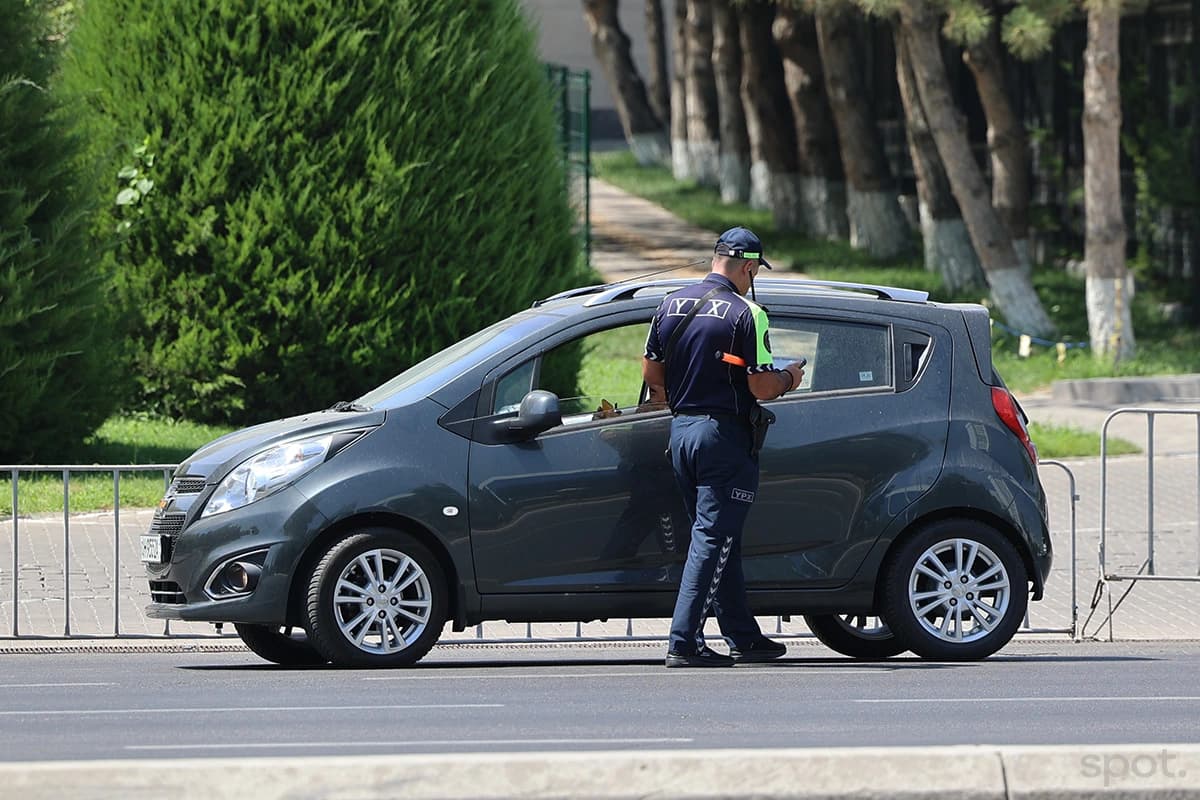
The very possibility of impounding vehicles over fines unpaid for 60 days has been provided by Article 291 of the Code of Administrative Liability since 2019; in February 2025 the provision was updated, making data automatically entered into electronic systems the basis for impoundment. The new instruction defines the procedure for applying this measure. The fine must be paid within 60 days from the date the ruling is issued; if the ruling is appealed or protested and the appeal is denied, 30 days are given for payment from the moment of notification. If unpaid, the vehicle's details automatically appear on the tablets of Road Safety Service officers, after which inspectors send the car to the impound lot without drawing up a separate administrative protocol. The vehicle remains at the lot until the enforcement proceedings are completed; after the debt is settled, the territorial center of administrative practice issues an electronic permit for its return. Impoundment can be avoided by fully paying the fine on the spot through electronic payment systems, mobile applications, or bank cash desks — provided the payment is confirmed in the system. In addition, if the fine is not paid on time, the ruling is sent through the 'Administrative Practice' system to the Bureau of Enforcement under the Prosecutor General's Office.
What else the document regulates
In addition to the impoundment procedure, the instruction covers the processing of violations: protocols are drawn up mainly in electronic form on tablets, using biometric systems and an electronic signature or fingerprint; paper protocols are allowed, for example, when the driver denies the violation, the case was initiated based on a victim's statement, or there is no connection. Collecting fines on the spot is prohibited. A case is reviewed within 15 days, notifications arrive in the personal account on EPIGU or in the mobile application, and the ruling can be appealed within 10 days. Discounts for voluntary payment remain: paying 50% of the amount within 15 days or 70% within 30 days exempts from the remainder; the benefits do not apply to a repeated violation within a year, an appeal of the ruling, and a number of other cases, including driving while intoxicated. For violations recorded by cameras, the ruling is issued without a protocol and without the violator's participation — the vehicle owner or the person to whom the right to use it has been transferred is liable; the information must reach the authorized body within 48 hours, otherwise the case is closed. The instruction also defines the penalty point system: no more than two points per violation, annulment after a year, and if more than 12 points accumulate, the materials are sent to court. Recall that from April 1, 2026, points are also accrued for violations detected by cameras, and vehicle owners have been allowed to submit requests through EPIGU so that camera fines are issued to the person who was actually driving the vehicle.