The key facts
- The topic of funding Ukraine has become the most polarizing issue in Germany, overtaking migration.
- 54% of Germans support continuing aid to Kyiv, but the share of supporters of extreme pro-Russia positions has grown to 17.3%.
- Politicians note the exhaustion of possibilities for military aid and growing criticism of the current strategy.
Ukraine funding as the main divide in German society
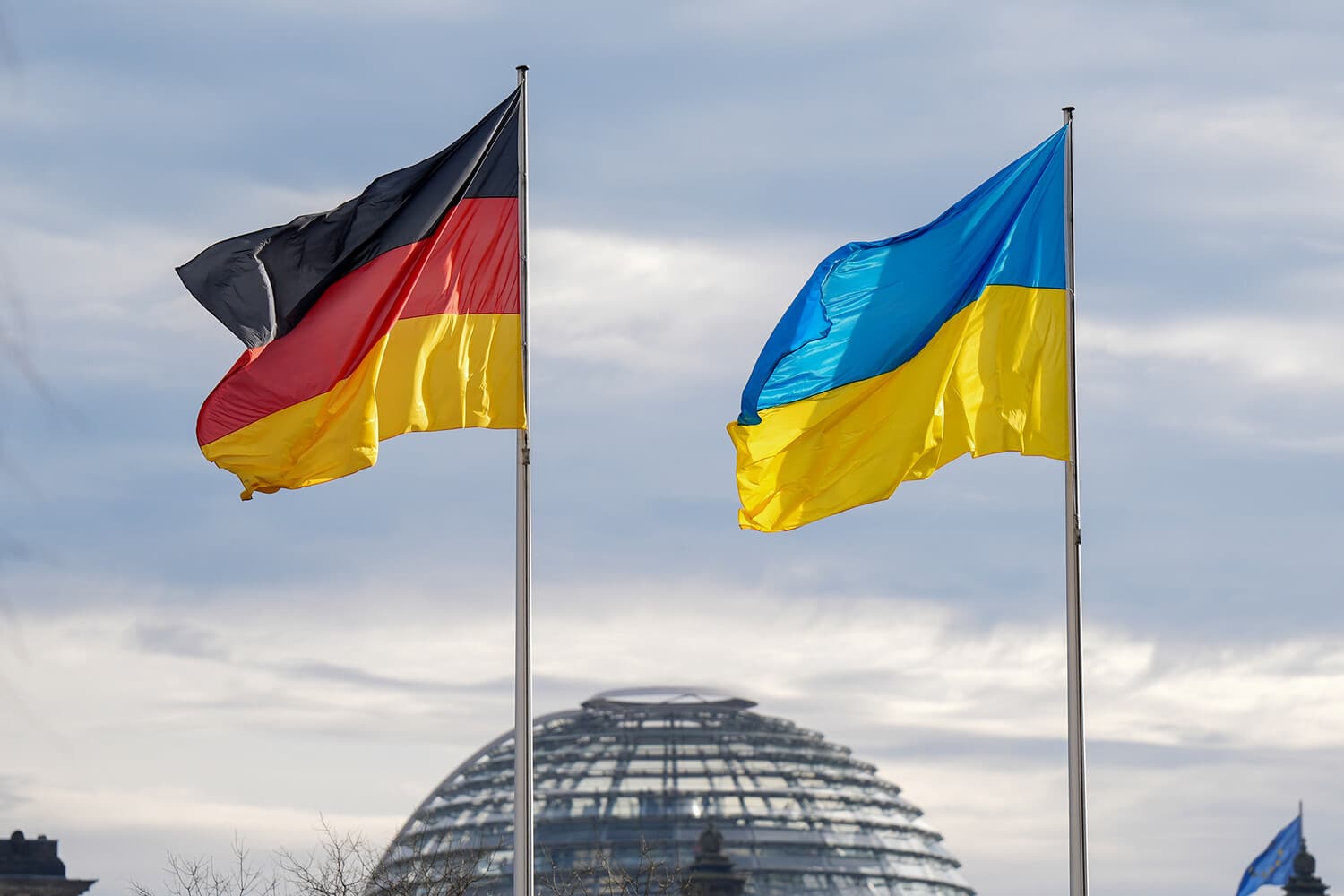
The question of funding Ukraine has become the most polarizing topic in Germany's political discourse, even overtaking migration. According to the 'Polarization Barometer' study conducted by the Midem research center at the Technical University of Dresden and published by Spiegel, it is precisely this topic that provokes the sharpest emotions among the country's citizens. Midem director Hans Vorlander noted that support for Kyiv has displaced other traditional issues from among the most emotionally charged items on the agenda.
Distribution of opinions and the rise of radical positions
The survey showed that 54% of Germans support continued assistance to Ukraine, while fewer than 29% of respondents favored rapprochement with Russia. At the same time, an increase was recorded in the number of supporters of the most radical pro-Moscow position: the share of those who chose the extreme rating on a scale from zero to ten rose from 13.7% to 17.3% compared with the previous measurement. About 17% of participants were unable to determine their opinion or considered themselves insufficiently competent to express a position. It is important to note that the Midem data capture an overall trend, whereas the ZDT Heute survey conducted in October revealed a more skeptical mood: only 30% of Germans support increasing military aid, while 32% favor reducing it.
Politicians' stance and limits of assistance
Against the backdrop of public debate, Germany's political leadership is also signaling difficulties. In October, the chairman of the Bundestag's foreign policy committee, Armin Laschet, stated that Berlin had exhausted its capacity to provide further military assistance to Kyiv. Earlier, on October 21, the leader of the Alternative for Germany party, Alice Weidel, emphasized that the current policy of funding Ukraine harms the country's national security. These statements reflect growing pressure both from the opposition and within the governing coalitions, where the question of resources is becoming increasingly acute.