The key facts
- The investigation lasted 15 months: 19 interviews and depositions, subpoenas to the Justice Department, Epstein's estate, and two banks
- The report links the 2007 non-prosecution deal to the continuation of Epstein's crimes
- The committee recommended re-interviews, referred two names to law enforcement, and backed a victim protection law
Findings of the investigation
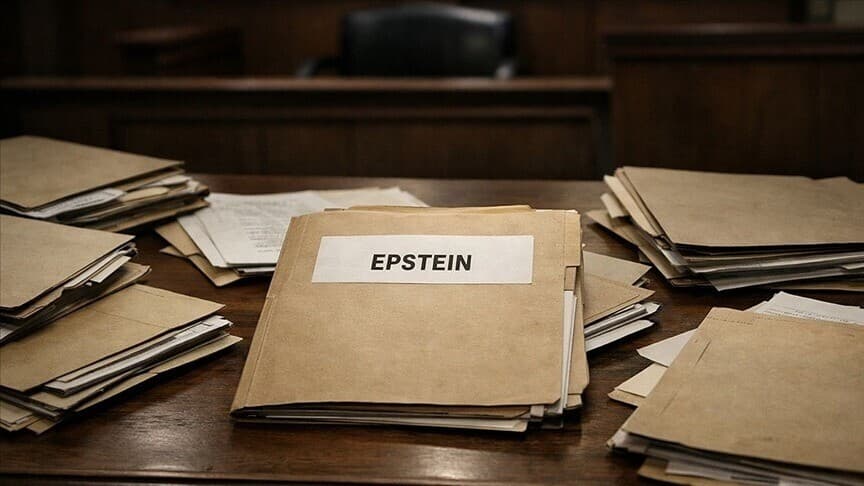
The U.S. House Committee on Oversight and Government Reform on Tuesday released a major report concluding a 15-month investigation, which asserts that federal authorities failed for decades to protect the victims of Jeffrey Epstein and Ghislaine Maxwell. The investigation included 19 interviews and depositions, subpoenas to the Department of Justice, Epstein's estate, and two major financial institutions, and a review of Treasury Department records. Committee Chairman James Comer said in a video statement: 'These women endured unthinkable abuse, and the federal government failed them at nearly every turn,' adding that with proper government performance, a significant portion of the abuse could have been prevented.
The 2007 deal and the death in jail
According to the lawmakers' conclusions, Epstein's crimes after 2005 could have been prevented were it not for the 'failures' of federal prosecutors in South Florida and Washington. The key episode cited is the 2007 non-prosecution agreement concluded by the U.S. Attorney's Office for the Southern District of Florida: it allowed Epstein to avoid a federal indictment by pleading guilty to lesser state charges and receive an 18-month sentence with generous work-release opportunities, during which he continued abusing women. Prosecutors did not notify the victims, depriving them of the chance to pursue civil compensation. The committee attributed the outcome of the case to 'poor judgment' and Epstein's 'far-reaching' influence, noting possible ties to two attorneys who had worked in the prosecutor's office. Separately, the report criticized understaffing and 'dysfunction' at the federal detention facility in New York, where Epstein died by suicide in August 2019: guards missed at least 12 patrol rounds and three inmate counts, leaving the facility without proper supervision for nearly eight hours.
Recommendations and disagreements
The committee recommended that the Department of Justice re-interview key figures, in particular Epstein's former assistant Leslie Groff, regarding her alleged facilitation of criminal activity. Former Miami Beach mayor Philip Levine and French celebrity stylist Frédéric Fekkai were referred to federal law enforcement following allegations of sexual assault made in the testimony of survivor Sarah Kellen. The committee also proposed creating mechanisms for victims to access unredacted personal files and passing the Survivor's Voice Protection Act, which would prohibit concealing sexual abuse through non-disclosure agreements. Financial institutions, including American Express, were accused of failing to respond to clear signs of human trafficking and immigration fraud, allowing fictitious routes for bringing foreign women to Epstein's residences. On the subject of political disagreements, the report states that the committee's Democrats engaged in an 'unfounded witch hunt' attempting to tie President Donald Trump to the case, and that, in the committee's view, witness testimony and banking records contain no evidence of Trump's connection to Epstein's criminal network. The report's publication comes as the U.S. government has already released a large trove of documents under the Epstein Files Transparency Act, but public pressure continues due to heavy redactions in the materials.