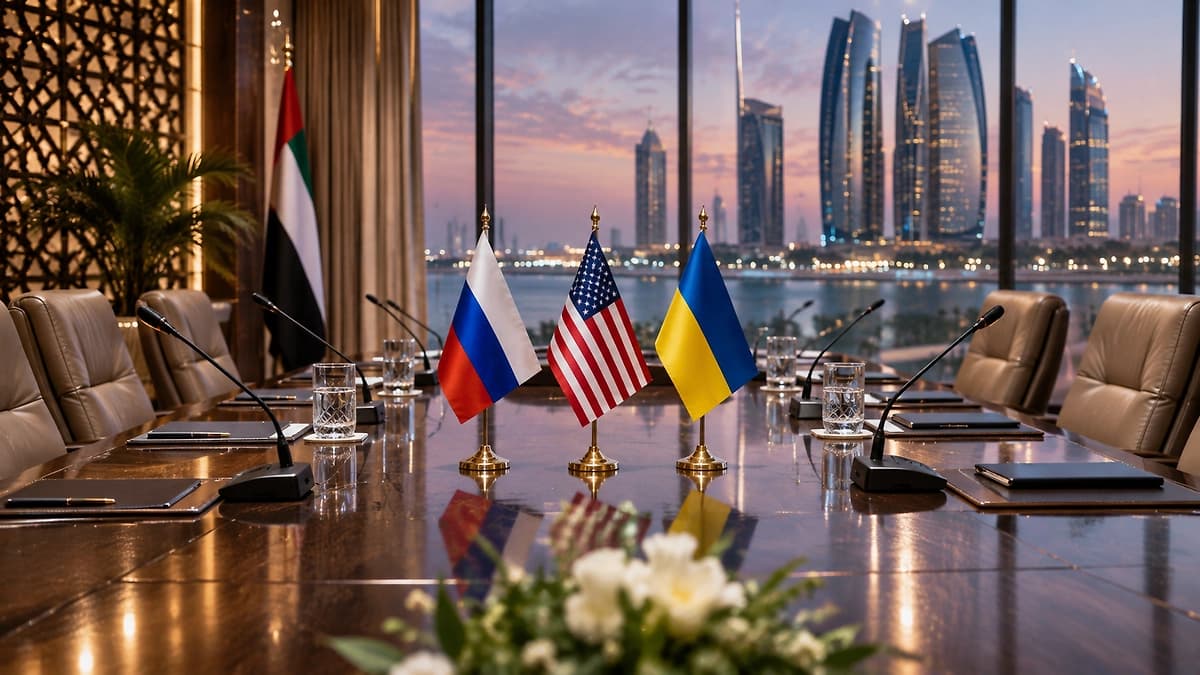
The key facts
- Trilateral talks between Russia, the United States and Ukraine will take place in Abu Dhabi on November 10–11, starting at 10:50 Moscow time
- The agenda is broader than the Ukrainian settlement: it concerns a new security system on the continent
- The Russian delegation of 11 negotiators is led by Vladimir Medinsky
Talks in Abu Dhabi: the agenda goes beyond the Ukrainian settlement
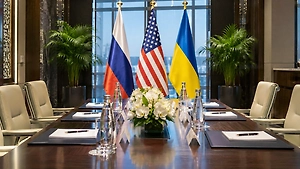
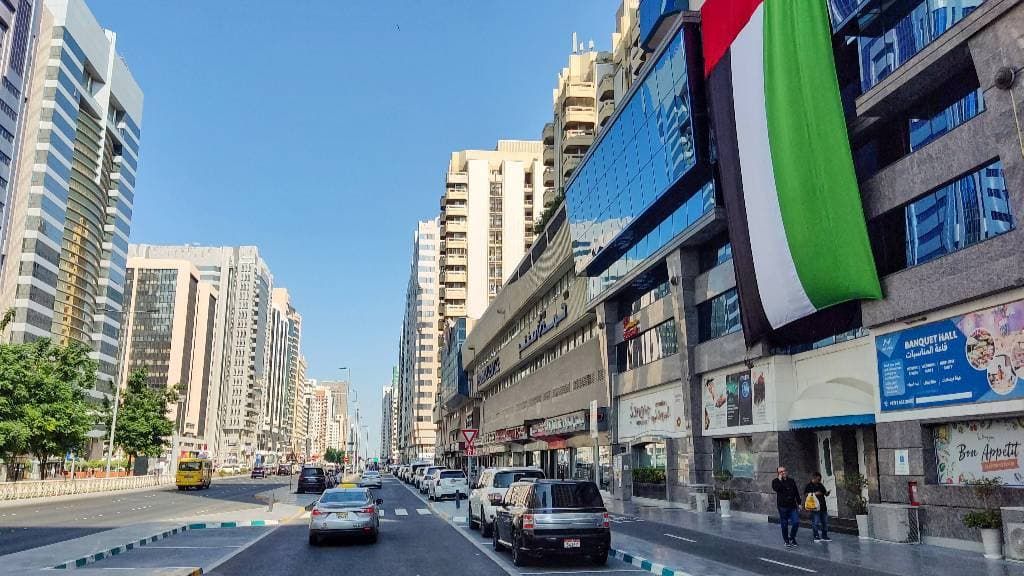
On November 10–11, trilateral talks between Russia, the United States and Ukraine will take place in the capital of the United Arab Emirates. According to the negotiating group, as reported by Life.ru citing a TASS source, the meetings will be devoted not only to settling the conflict in Ukraine but also to building a new security system on the continent in the post-conflict period. The source stressed that the settlement remains one of the most important issues, but the expected agenda is much broader: the participants intend to discuss mechanisms for preventing future threats, measures to strengthen regional stability, and security principles that could apply after the cessation of hostilities. According to the source, the ultimate goal of the discussions should be the formation of a common and indivisible security system for the entire continent.
Composition of the delegations and American priorities
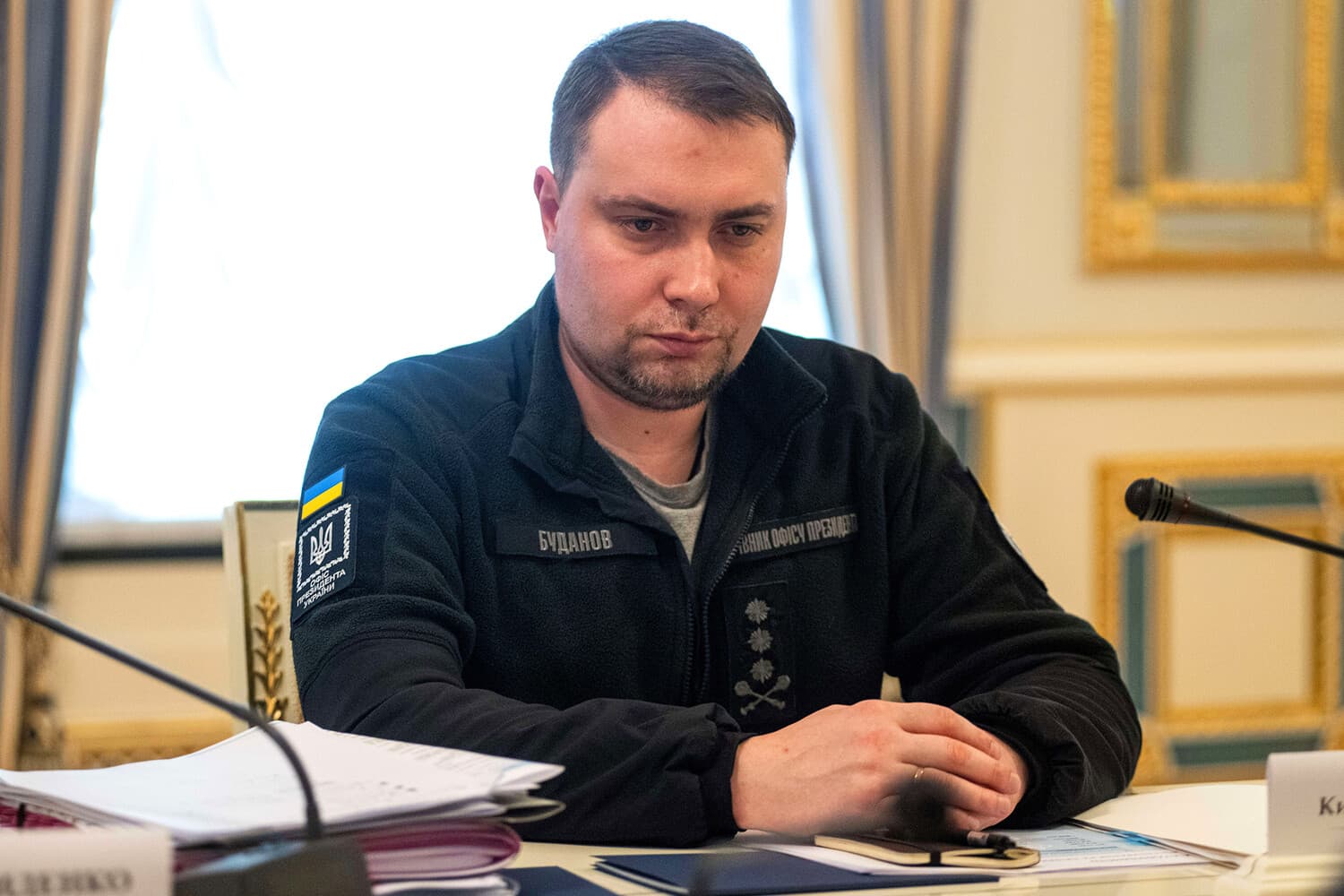
The Russian delegation is led by presidential aide Vladimir Medinsky; Life.ru published the full list of the Russian team, which includes 11 negotiators. The Ukrainian side is represented by Rustem Umerov, and the United States by the president's special envoy Steve Witkoff and Jared Kushner. The talks will begin at 10:50 Moscow time. Earlier, the same outlet reported that the American side intends to discuss in Abu Dhabi reducing the risk of military escalation in Europe: according to Life.ru, Kushner listed among the priorities strengthening communication channels between states, transparency in the military sphere, and mutual measures to prevent new crises. Thus, the stated agenda combines two levels — settling the conflict itself and the contours of a post-conflict security architecture, while specific agreements resulting from the meeting are not yet known.