The key facts
- Around 650 prisoners are released on Tuesday after serving no more than a third of their sentence instead of half
- At least 1,350 people have been released since 1 October; at least 2,500 by the end of the year
- The probation union Napo has been voting on strike action, with results due on Friday
Third wave of early releases
On Tuesday, around 650 prisoners will walk out of jails in England and Wales — the third phase of the government's plan to tackle the prison overcrowding crisis, BBC News reports. The group will include people serving sentences of up to three years and two months, including those convicted of taking part in fights (the maximum sentence for this offence is three years), burglary and fraud. Some of those convicted of violent crimes — assault causing bodily harm and less serious firearms offences — may also be released.
How the scheme works
Under the new rules, prisoners are released after serving no more than a third of their sentence, rather than half as before; the remaining two-thirds are spent 'on licence' in the community — under an electronic tag, probation officer supervision and with conditions such as bans on approaching victims. Since the programme launched on 1 October, at least 1,350 people have been released early; by the end of the year the ministry expects at least 2,500. The releases are taking place in waves with increasingly longer sentences, and will conclude in June with the release of prisoners serving more than 12 years. More than 70 categories of offence are excluded from the scheme — manslaughter, rape, sexual and 'grooming' offences, as well as those serving life sentences.
What the statistics show and who is opposed
Weekly figures indicate that the programme is so far reducing the pressure: prisons hold 86,982 people, with 2,076 free spaces — 500 more than on the eve of the programme's launch in October. At the same time, victim support organisations have voiced concerns: the organisation Refuge, which helps victims of domestic abuse, told the BBCthat among those released are perpetrators of such abuse. Conservative leader Kemi Badenoch previously criticised the scheme, saying she was 'worried that dangerous people are being let out on the streets without serving their sentence or undergoing rehabilitation'. The government has not yet published reoffending figures for breaches of licence conditions: the latest data show 12,338 recalls in April–June, 12% more than a year earlier; according to rehabilitation experts, about a fifth of recalls are linked to a new offence, while the rest are more often due to missed appointments or a change of address.
Pressure on the probation service
The probation union Napo previously said the releases had placed an enormous burden on staff supervising those released into the community. In recent weeks its members have been voting on possible strike action over pay and conditions — the results will be announced on Friday. The Ministry of Justice has offered a 5% pay rise (the union demanded 12%), calling the offer fair and noting that two other unions accepted it; the offer is accompanied by £700 million of investment, the recruitment of 1,300 additional officers and the introduction of AI tools to reduce workload. The BBC also notes that the previous early release scheme, introduced by the Conservatives, allowed more than 10,000 prisoners to be released between October 2023 and September 2024.
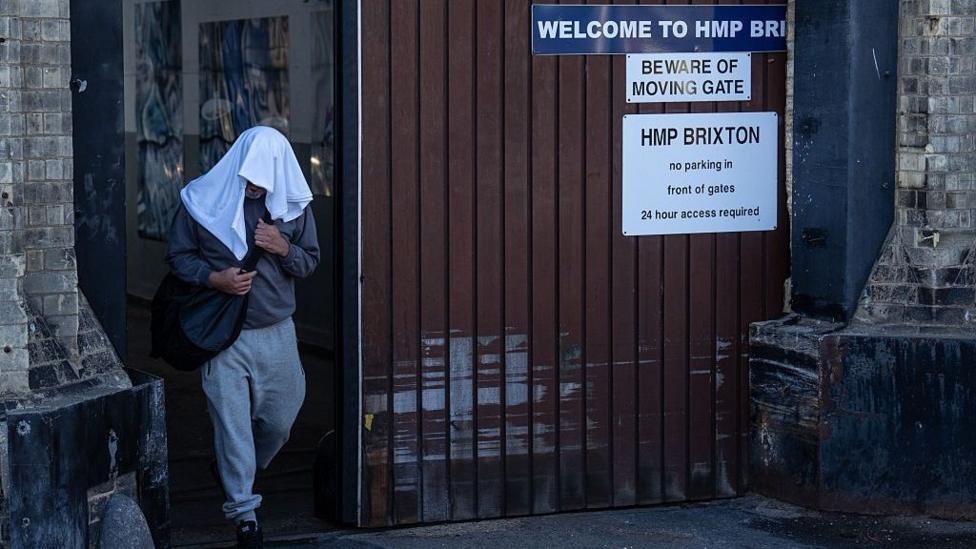 Image source, Getty Images
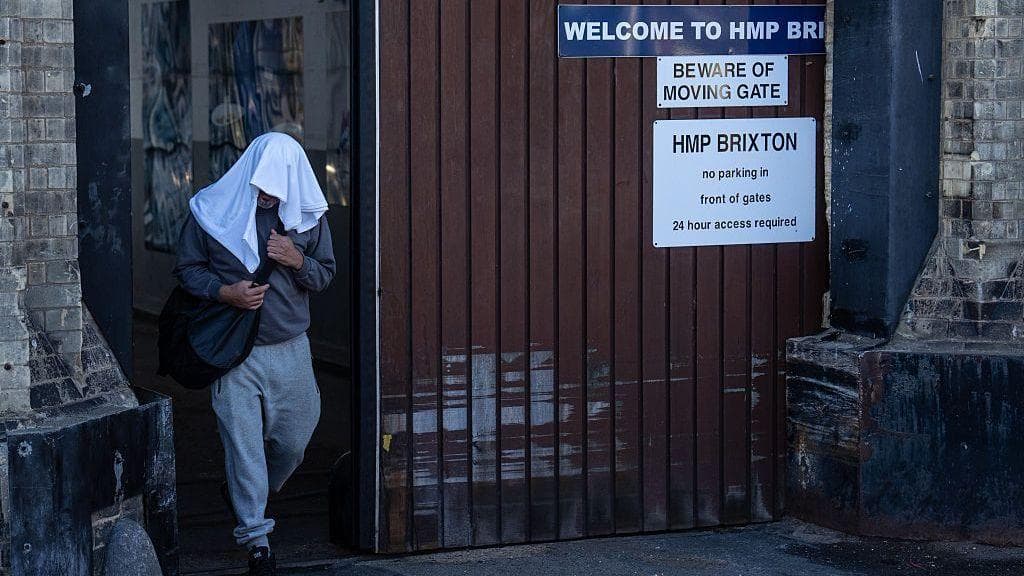
At least 1,350 offenders have been released from jail early since 1 October under the scheme