The key facts
- Roza from Uzbekistan was sent by the MC2 agency to photo shoots at Epstein's home in 2009, when he was serving a sentence for crimes against a minor
- Roza, from Uzbekistan, was sent by the MC2 agency to a photo shoot at Epstein's home in 2009, while he was serving a sentence for crimes against a minor
- US Justice Department documents show that 10 MC2 models met Epstein after his conviction, and that in 2005 he transferred $1 million to the agency
- Senator Zellnor Myrie proposed a trafficking law to give police more powers to investigate Epstein's enablers
- Senator Zellnor Myrie has proposed a human trafficking law to give police more powers to investigate Epstein's enablers
Roza's story: from a photo shoot in Palm Beach to systematic rape
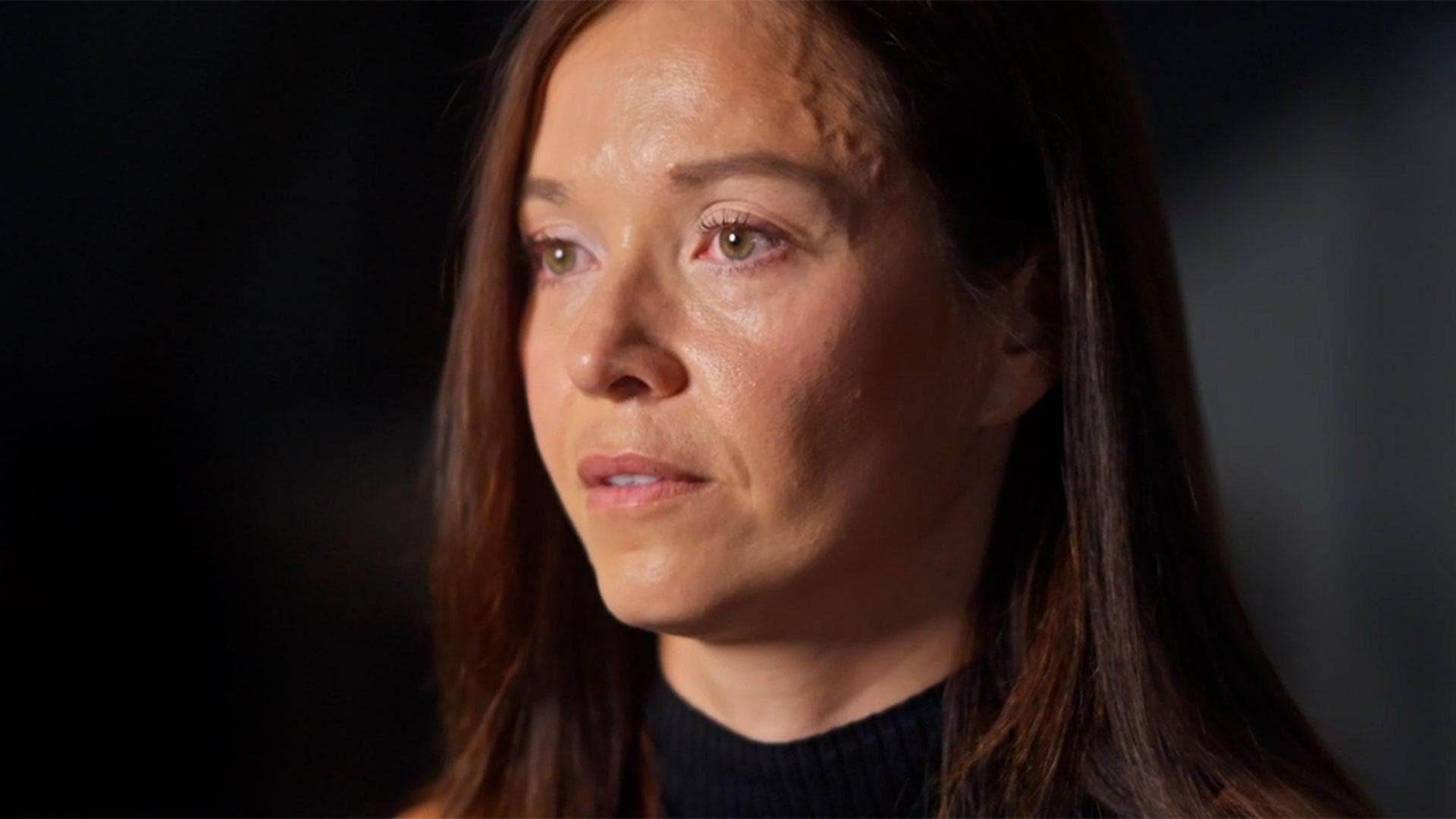
Roza, who was 18 at the time of the events described and had been in the US from Uzbekistan for only about a month, told BBC Eye Investigationsthat the American branch of the MC2 Model Management agency sent her to two photo shoots at Jeffrey Epstein's home in Palm Beach, Florida. This happened in 2009, when Epstein was serving a prison sentence for sexual offences against a minor but was working from home every day. 'My agency's job was to protect me, and they failed. What's more, they put me in danger. And for that they must be held accountable,' she told the BBC World Service.
Jeff Fuller's role and the fate of MC2
The president of MC2's American branch at the time was Jeff Fuller. Roza says the agency knew exactly where it was sending her, and shows an expense report indicating that Fuller himself booked her return ticket from Palm Beach after the second shoot. Fuller previously said he did not know about Roza's trip to Epstein and did not know about the abuse she suffered; he did not respond to new BBC questions. According to Roza, the shoots led to her being hired as Epstein's assistant, after which he raped her systematically. Behind the camera at the shoots, she says, was not a professional photographer but Epstein's then girlfriend Nadia Marcinko; the shoot looked 'strange — with no stylist', and the photos were never used.
What the US Justice Department documents show
The BBC Eye investigation draws in part on documents from Epstein's case released by the US Department of Justice. They show that 10 MC2 models met Epstein or stayed in contact with him after his conviction, and that in 2005 Epstein transferred $1 million to MC2 — even though the agency's owners told an American publication two years later that Epstein had no connection to their company. The files also contain a letter from Fuller to Epstein dated March 2012: 'If it weren't for you, we would have fired her months ago. And I would be careful — she talks about various things,' he wrote about another model. A month after Epstein's second arrest in 2019, MC2's American branch was dissolved, and Fuller opened a new agency, The Source Models, to which, according to the BBC, 50 MC2 models moved; the agency continues to operate and did not respond to a request for comment.
Other figures: Elholi and Kates
The investigation also touches on two other figures in the modelling industry who, according to the Justice Department files, had close relationships with Epstein. Former agent Ramsey Elholi, according to BBC Eye, tried to connect Epstein with 34 women, including an 18-year-old schoolgirl; in one case, the files indicate, he suggested that Epstein's assistant befriend this woman before introducing her to the financier. One of the women said that at her very first meeting with Epstein, when she was 19, he sexually assaulted her at his New York townhouse. Elholi himself told the BBC: 'I completely reject any claim that I knew about the abuse or facilitated it… I was not part of that circle,' adding that his goal was to help models find professional opportunities. Another model, Simona (a pseudonym), said Epstein raped her more than 200 times; she said that on his own initiative he arranged a meeting for her with Faith Kates, who then ran one of the world's largest agencies, Next Management. Simona says Kates offered her plastic surgery and sent the surgeon's details to Epstein. The Justice Department files show that Epstein asked Kates to meet five more models. Kates's lawyers said she was 'grossly deceived' by Epstein and never asked a model to have plastic surgery; Next Management did not respond to a request for comment.
Political consequences and the response from advocates for models
New York State Senator Zellnor Myrie disputes last year's US Department of Justice statement that no evidence was found justifying further investigation into 'uncharged third parties'. He has proposed a new human trafficking law that would expand police powers to investigate Epstein's alleged enablers: 'If you sent models to Epstein and knew what he was doing, or should have known, you will be held accountable.' The bill has been backed by Sara Ziff, founder of Model Alliance, which advocates for stronger protections for models in the US: 'Often it is the modelling agencies themselves that are the problem. They are the link between the model and these predators.' Sigrid McCawley, the lawyer for more than 100 of Epstein's victims, noted that scouts were critically important, since it was they who 'identified the type of woman Epstein liked'. Roza hopes her story will encourage other survivors to speak out about what happened.
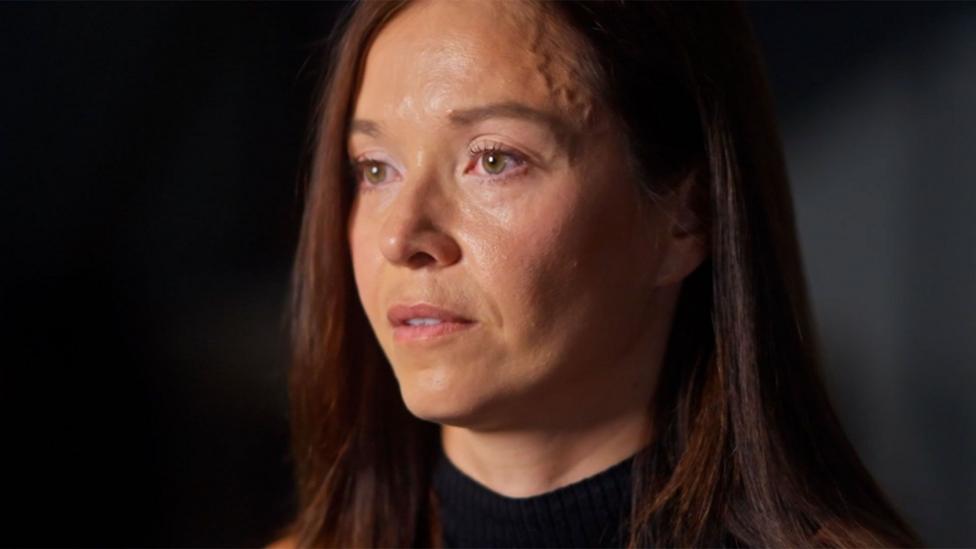
Roza has decided to share her story with the BBC
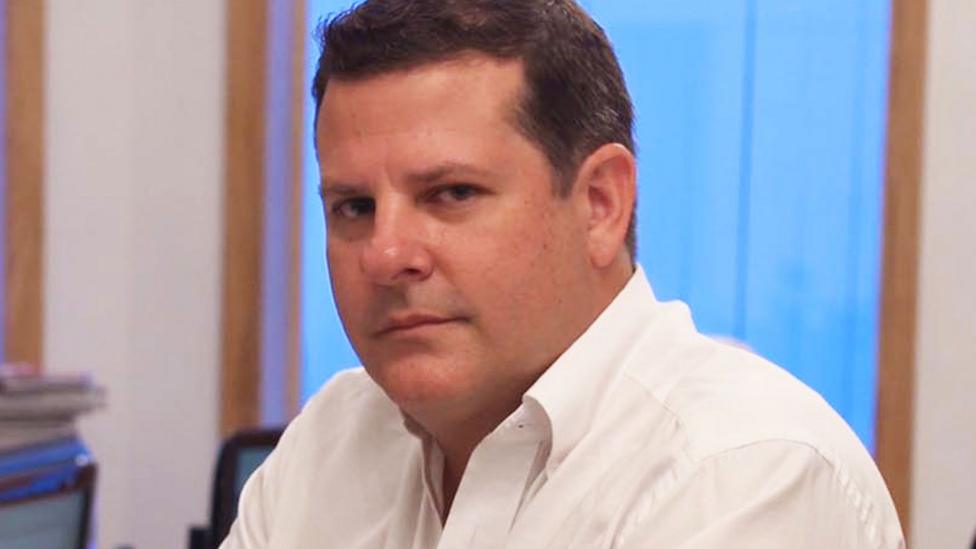 Image source, Fashion TV
Jeff Fuller now runs The Source Models agency
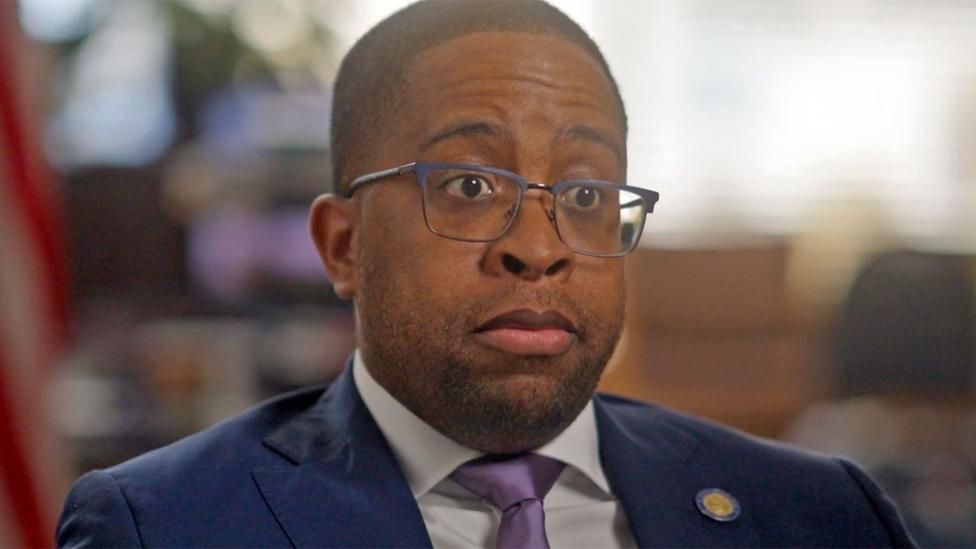
Senator Myrie told the BBC he wants those who knew - or should have known - about Epstein's abuse to be held accountable
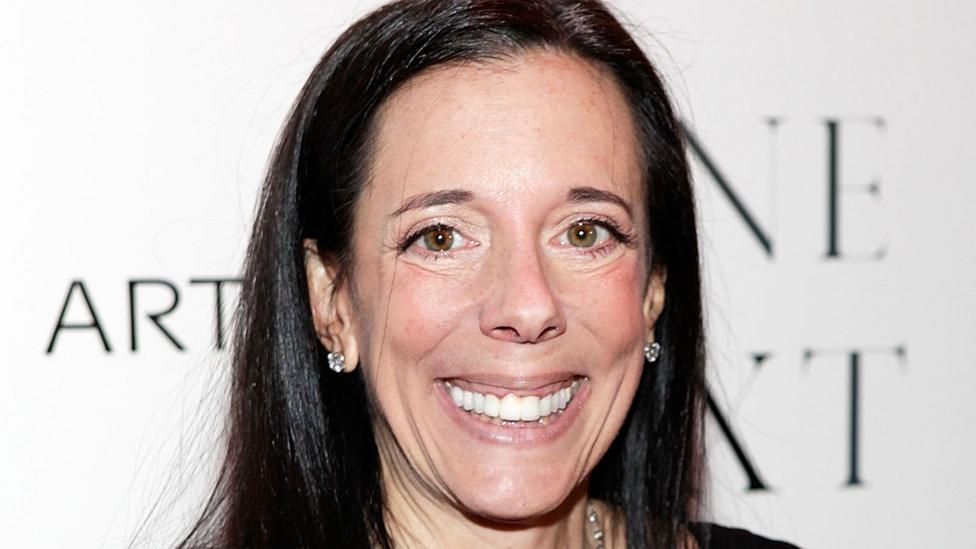 Image source, Getty Images
Simona says Faith Kates, pictured here, met her at Epstein's request