The key facts
- From September 2027, phones will not be allowed to be kept on pupils during the school day — the current 'no see, no hear' rules are being tightened
- From September 2027, phones will not be allowed to be kept on pupils throughout the school day — the current 'no see, no hear' rules are being tightened
- Statutory guidance making schools legally responsible for phone-free days has been in force since June
- Unions are demanding additional funding for lockable pouches and storage; approaches differ across the regions of the UK
- Unions are demanding additional funding for lockable pouches and storage units; approaches differ across the regions of the UK
What is changing in the rules
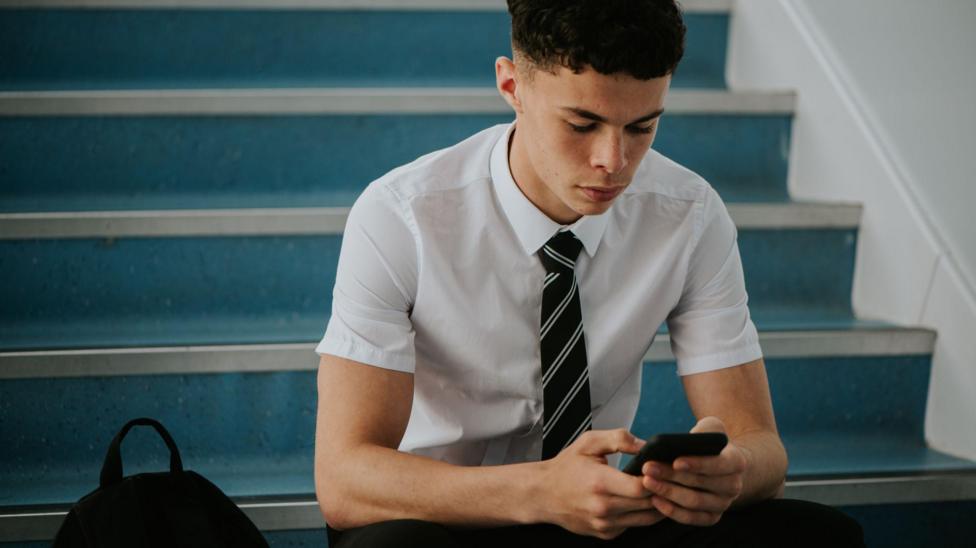
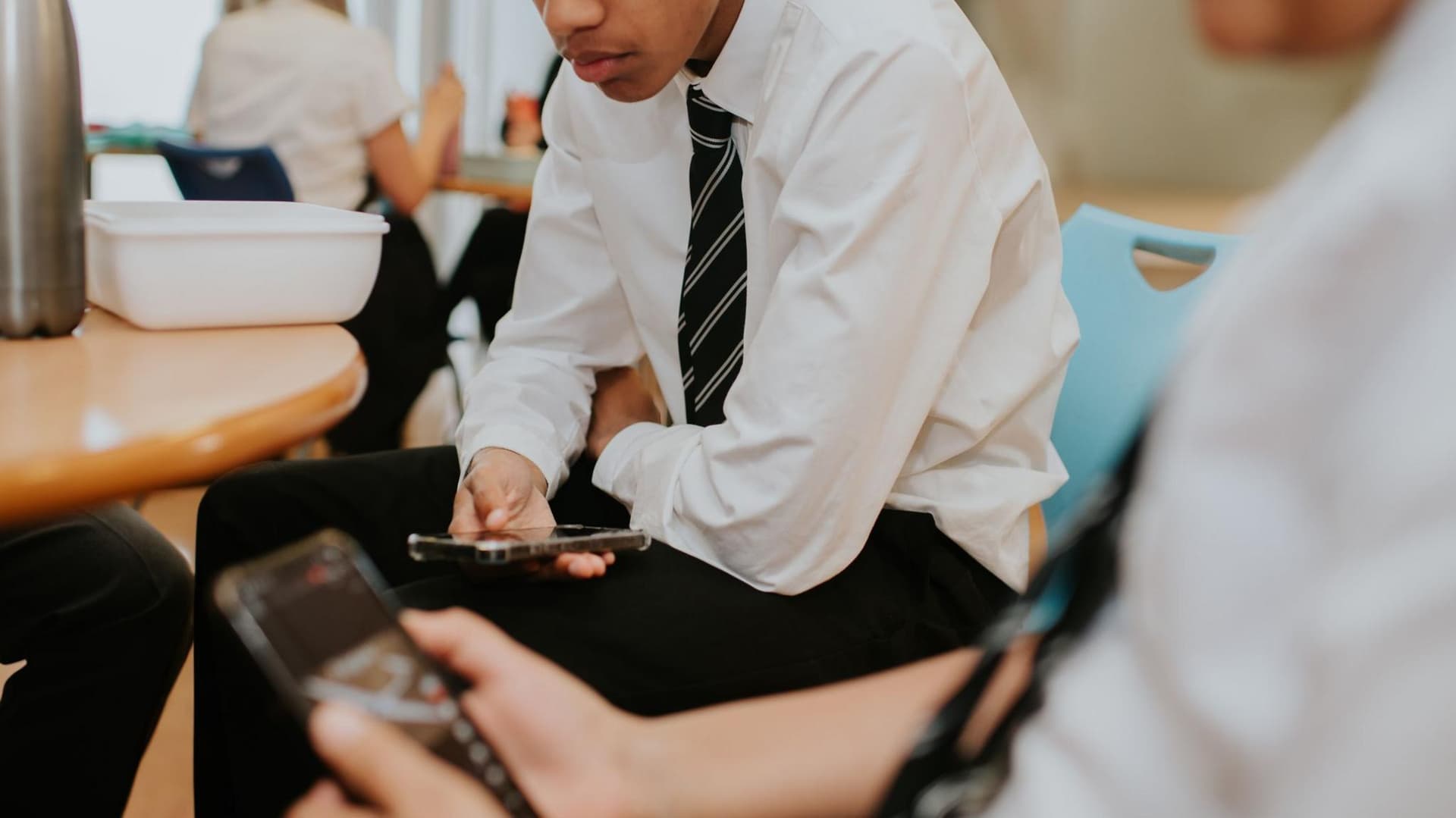
From September 2027, pupils at schools in England will no longer be able to keep phones on them during the entire school day — devices will no longer be allowed to be left in bags or pockets. This was reported by BBC News citing new changes to government guidance that ministers presented as an addition to the existing rules. Statutory guidance that made schools and trusts legally responsible for phone-free school days came into force in June; at that time, 'no see, no hear' policies were permitted, under which a phone could remain in a bag as long as it was neither seen nor heard. Ministers now acknowledge that such measures are insufficient. Education Secretary Lucy Powell called it a 'clear message' to parents and pupils that 'school is for learning and friendship, not for scrolling'. According to the government, access to phones 'risks distracting children from learning and from each other'.
How schools will meet the requirements and who will pay for it
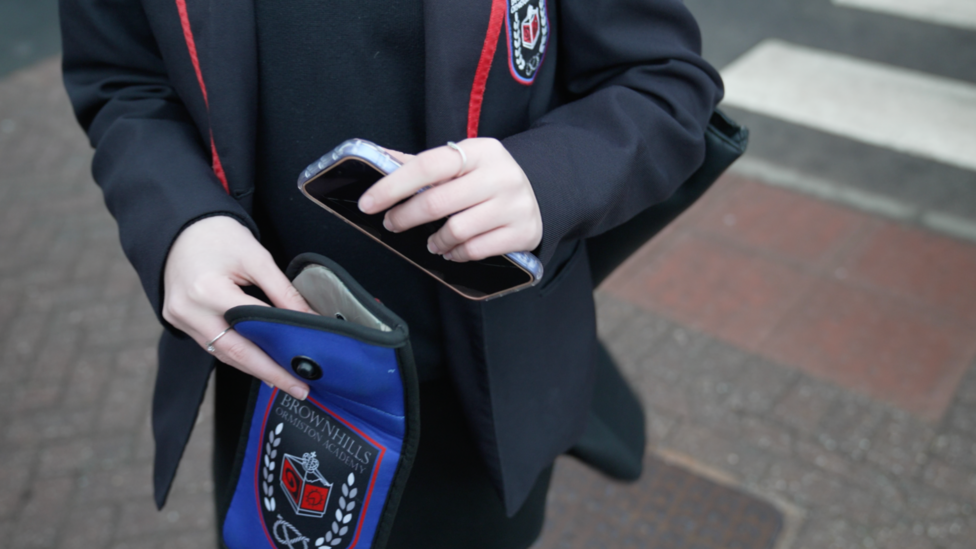
Schools will choose the specific method of enforcement themselves: some have already invested in sealed pouches or lockable lockers, others collect phones at the entrance or ban them from the premises entirely. This is where the main dispute arises: school leaders' unions have said that implementing stricter rules will be difficult without additional funding. NAHT General Secretary Paul Whiteman acknowledged that phones create 'safeguarding issues' and are distracting, but stressed that tougher measures 'will come at a cost'. ASCL General Secretary Pepe Di'Iasio noted that the new guidance 'at least provides some clarity', but that school leaders 'cannot simply make phones disappear', and that the cost of lockable pouches or secure storage for every pupil would be 'quite significant' and 'unworkable' unless the government provides the necessary funds. England's Children's Commissioner Dame Rachel de Souza and Generation Focus co-founder Charlotte Ashton supported the changes; Ashton said that 'no see, no hear' policies do not work and that pupils still 'sit on TikTok in the toilets'. Shadow Education Secretary Laura Trott said she was 'glad the Labour Party has finally listened to us', but criticised the lack of 'consistency' on which new technologies are allowed in classrooms; she also welcomed the government-announced review of safety standards for school technology, adopted in response to calls to improve the guidance.
Different approaches across the regions of the UK
Since education is a devolved matter, the approach to phones in schools varies across the UK. In Scotland the government has announced new legislation restricting personal phone use in schools and held a consultation on the issue over the summer. In Wales the Senedd recently voted against introducing a national statutory ban on phones in classrooms: schools are still encouraged to limit phone use, but headteachers retain flexibility in their own policies. In Northern Ireland Education Minister Paul Givan launched a 12-week consultation in August on whether phones should be banned in schools by law, calling for 'a stronger and more consistent approach across the education system'. Rules on phones in schools are separate from the forthcoming UK-wide ban on social media for under-16s, which is due to come into force in March: children will be blocked from accessing platforms such as Instagram, Snapchat and TikTok, and the Culture Secretary said that Vined and eBay could also be added to the list.
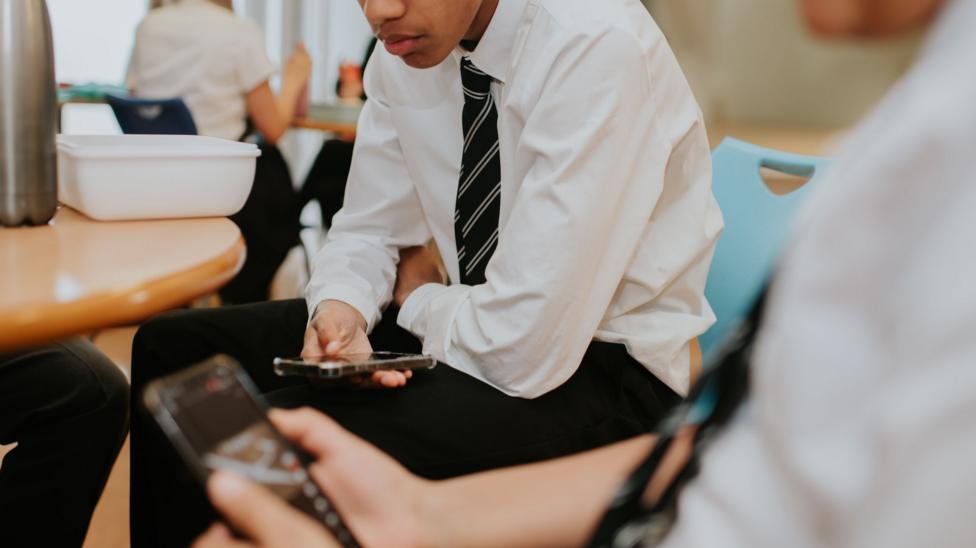 Image source, Getty
Some schools provide pupils with lockable pouches for their phones