The key facts
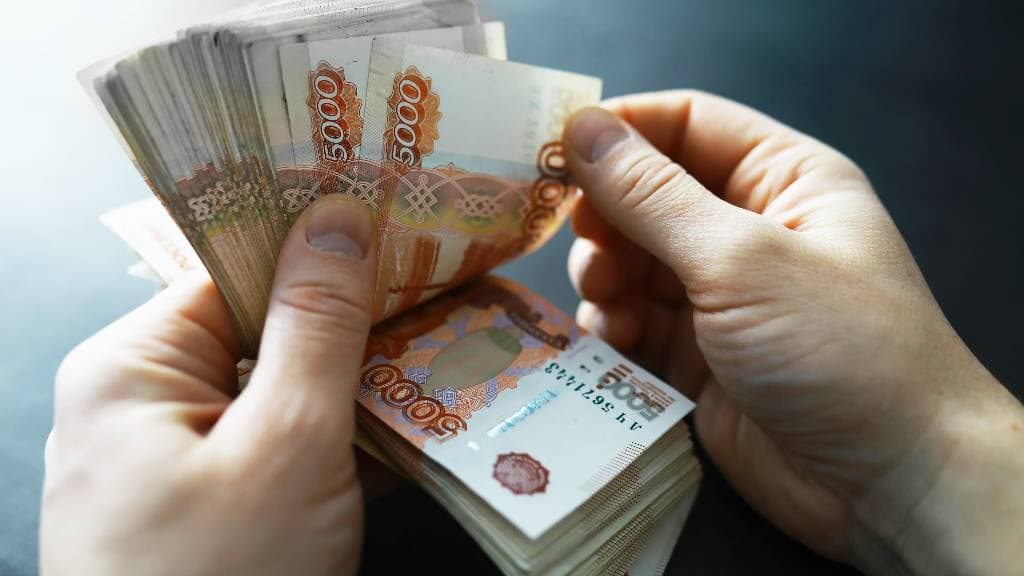
- The minimum wage will rise to 28,935 rubles from January 1, 2027 — by 1,842 rubles, or 6.8%
- The increase will affect almost 5 million working Russians, including indirectly
- No automatic indexation of wages above the minimum is provided — it all depends on the pay system and the employer
Minimum wage will be raised to 28,935 rubles
From January 1, 2027, the minimum monthly wage in Russia is planned to be increased to 28,935 rubles. That is 1,842 rubles more than the current figure, a rise of 6.8%. This is reported by Life.ru citing Svetlana Bessarab, first deputy chair of the State Duma Committee on Labor, who gave a comment to the online outlet Podmoskovye Segodnya.
Who will be affected by the increase
According to Bessarab, the changes will affect almost five million working Russians — both directly and indirectly. It is not only about those earning the minimum wage: when the minimum threshold rises, employers have to revise the entire system of salaries and tariff rates within their enterprises. Otherwise, a distortion arises — the pay of a low-skilled employee may come close to the income of a more qualified specialist. “The differentiation between tariff grades must be objectively clear. People should understand that for different work and different qualifications they receive different incomes,” the parliamentarian noted.
There will be no automatic raise for everyone
An increase in the minimum wage does not mean an automatic 6.8% pay rise for all workers. If income already exceeds the new minimum, its growth depends on the current pay system, the terms of the contract and the employer's decisions — that is, for many, a raise will remain a matter of negotiation and internal company rules. Separately, Life.ru previously reported, citing the State Duma, that public-sector salaries are planned to be increased by 6.8% in 2027, but the final increase in a particular employee's total income will depend on how their base salary and allowances are calculated.