The key facts
- Lavrov: the agreement on suspending restrictions on Russian diesel exports is already being implemented in practice
- The deal, according to him, strengthened energy security and lowered prices
- US sanctions lifted until April 7; on October 17 Trump canceled a number of tariffs against Russia
Moscow announced the start of implementing the agreements
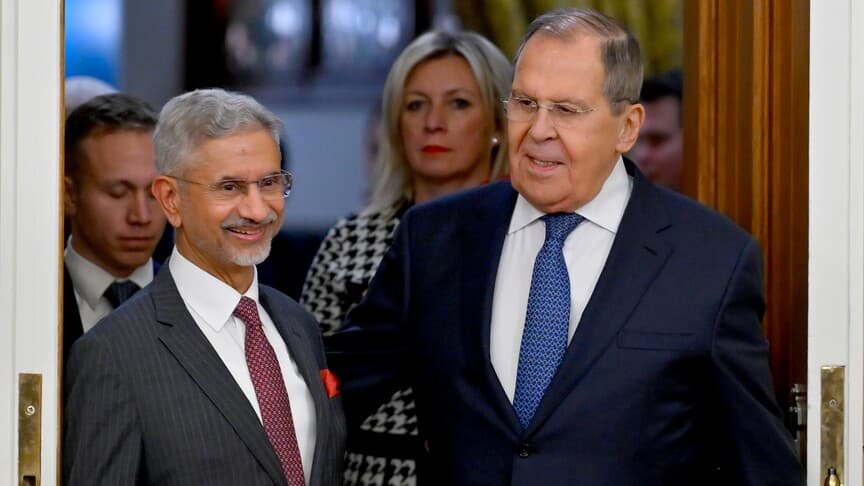
Russia and the United States have begun the practical implementation of the agreement on suspending restrictions on the export of Russian diesel fuel, Russian Foreign Minister Sergey Lavrov said in a piece for Kommersant. According to him, the agreement was an 'important contribution to energy security' and 'immediately brought prices down.' Lavrov added that Moscow intends to continue participating in stabilizing the global fuel and energy sector and strengthening global energy security.
Context of the deal and previous steps
As Gazeta.Ru recalls, on October 9 Vladimir Putin and Donald Trump agreed on the return of Russian diesel to world markets: the US lifted sanctions for six months, until April 7. According to the White House head, Moscow could 'immediately' provide 300,000 tons of fuel, and more later; the Russian leader confirmed his readiness for deliveries. On October 17, Trump also ordered that a number of sanctions and tariffs provided for under the law named after Senator Lindsey Graham not be applied, canceling additional tariffs of 500% on Russian goods and 100% on goods from the countries that are the largest buyers of Russian oil and gas.
Routes of the first tankers
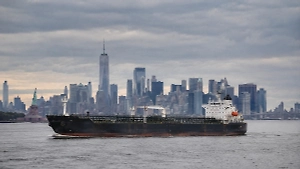
Earlier, Life.ru reported on the routes of the first three tankers carrying Russian diesel fuel: Talisman headed for the Mediterranean Sea, Leruo changed its destination to Brazil, and only Agioi Fanendes continued moving toward the US coast. At the same time, according to the same outlet, Dmitry Dmitriev denied reports about the tankers turning around as fake. Thus, Lavrov's statement about the start of the practical implementation of the deal came against the backdrop of a not entirely clear picture of actual deliveries: the outlets, based on available data, do not definitively confirm how many vessels are actually heading to the US.