The key facts
- The Interior Ministry has prepared recommendations on preventing and breaking up migrant enclaves; the document has been approved by the government
- The development was carried out on Dmitry Medvedev's instructions; legislative amendments are provided for in the migration policy plan for 2026–2030
- About 7.5 million foreigners entered Russia in the first nine months of 2026 — almost 10% fewer than a year earlier
Recommendations for the regions are ready and approved
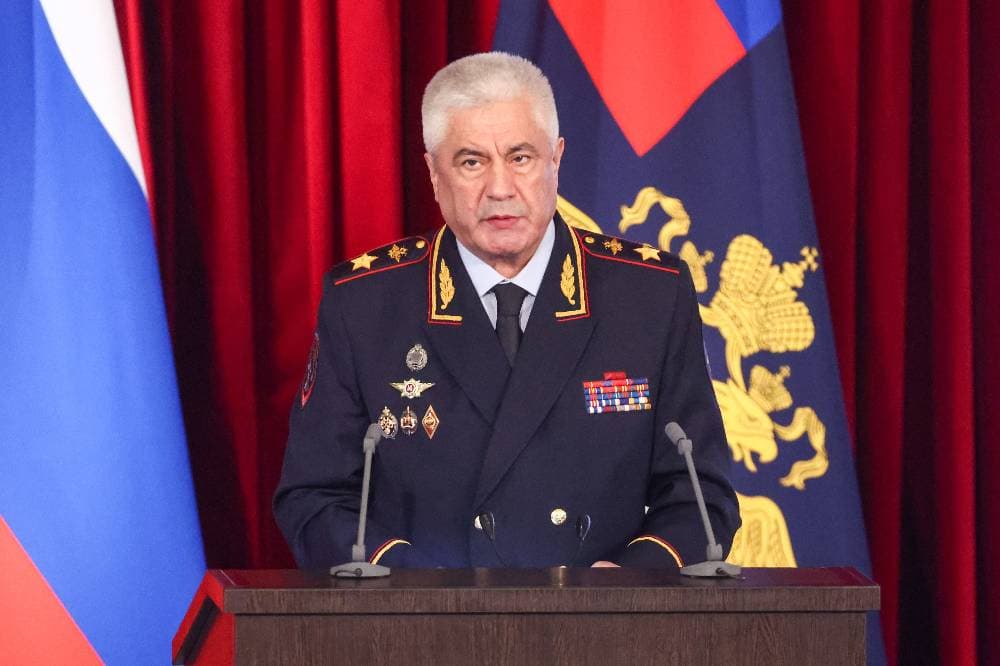
Russia's Ministry of Internal Affairs will soon send regional governors recommendations on preventing the emergence of migrant enclaves and breaking up those already established. Interior Minister Vladimir Kolokoltsev announced this during a government hour in the Federation Council, reports Gazeta.Ru citing TASS. According to Life.ru, the document has been approved by the government. The recommendations were prepared on the instructions of Deputy Chairman of the Security Council Dmitry Medvedev; the minister did not disclose details of their content.
From an LDPR idea to legislative amendments
The impetus for the topic came, as Gazeta.Ru noted, from the LDPR's position: the party had called the uncontrolled formation of ethnic enclaves — compact areas where migrants settle along ethnic lines — one of the main problems of migration processes. In the party's view, such enclaves hinder cultural and social adaptation, do not always comply with the 'Russian legal order,' and may increase social tension. The LDPR proposed creating a 'targeted toolkit' that would allow local authorities to flexibly limit the 'excessive concentration' of migrants in certain territories.
What the migration policy plan provides for
Life.ru specifies that the preparation of legislative proposals on this topic is provided for in the migration policy implementation plan for 2026–2030: the Ministry of Internal Affairs, the FSB and the Ministry of Economic Development have been instructed to work out, together with the regions, amendments that would allow federal subjects to introduce measures against the formation of enclaves. Kolokoltsev stressed that the work must be comprehensive: according to him, enclaves often arise when a Russian employer provides housing to newcomers. The minister also noted that international experience confirms that resolving this issue will not be simple.
Statistics against the backdrop of new measures
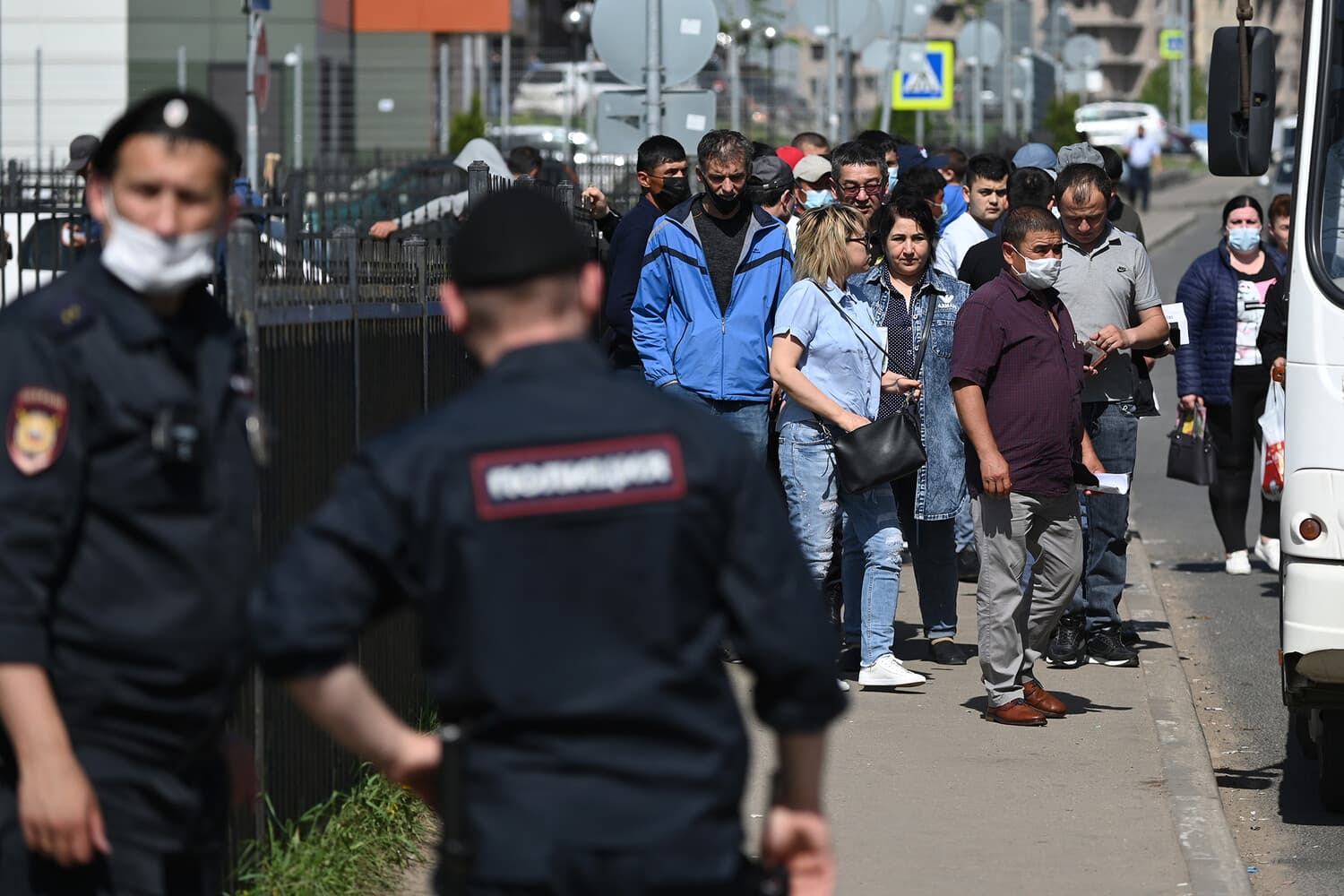
At the same time, the Ministry of Internal Affairs presented data on the migration flow. In the first nine months of 2026, about 7.5 million foreign citizens entered Russia — almost 10% fewer than in the same period last year. As of October 1, there were about 6.5 million foreigners in the country, and the share of migrants officially employed in labor activity rose from 45% to 50%; ten years ago, according to Kolokoltsev, this figure stood at 25%. The minister also reported a 40% decrease in crime among foreigners. Thus, the recommendations on enclaves appear against the backdrop of declining entries and a growing share of legal employment — that is, this is about a new regulatory tool, not a reaction to a growing flow.