The key facts
- The institution of citizenship termination has been in effect since 2023; applied to more than 5,000 people
- The main reason is committing crimes
- The number of foreigners obtaining citizenship fell by a third over the year
The minister summed up three years of the new mechanism's operation
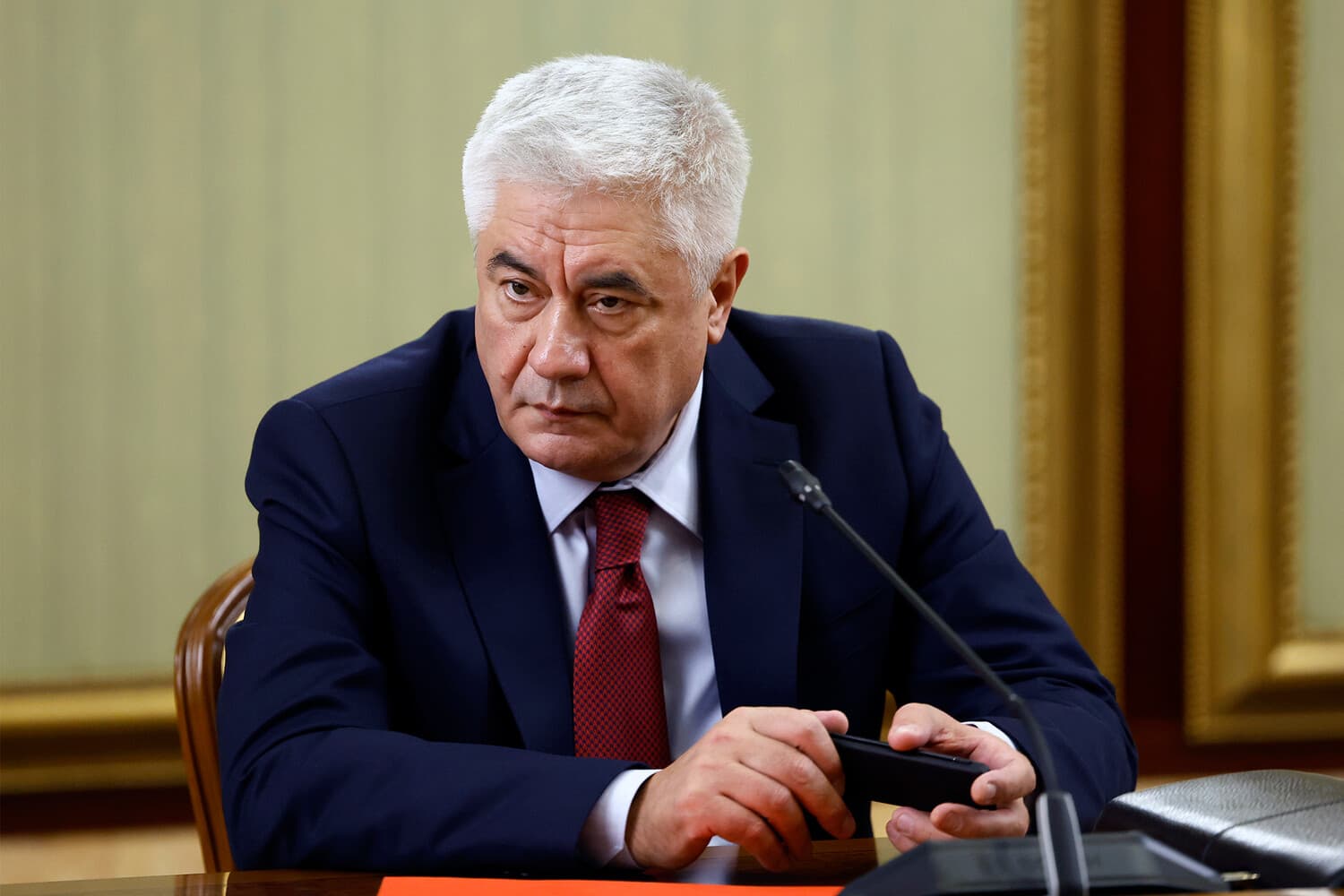
The institution of termination of Russian citizenship, introduced in 2023, has been applied to more than 5,000 people over three years. This was announced by Interior Minister Vladimir Kolokoltsev during a government hour in the Federation Council, as reported by Gazeta.Ru citing RIA Novosti. According to him, the provisions were applied mainly for crimes committed by foreigners. “Thanks to the legislative work we have done together, a number of grounds for simplified admission to citizenship have been abolished. Also, three years ago, the institution of termination of citizenship was introduced. During this time, its provisions have been applied to more than five thousand people, mainly for committing crimes,” Life.ru quotes the minister as saying.
How the statistics changed and who it affected
The figure cited by the minister continues a noticeable upward trend: in August, State Duma Chairman Vyacheslav Volodin reportedthat more than 4,500 people had lost their citizenship since the new citizenship law came into force. Thus, over several months, the number of those stripped of passports grew by roughly half a thousand — from 4,500 to more than 5,000. The mechanism was also applied selectively: on November 9 it was reportedthat the FSB and the Interior Ministry had terminated the citizenship of seven natives of Central Asia and the South Caucasus for actions posing a threat to national security and interethnic relations; among the grounds, Life.ru cited incitement of ethnic hatred and calls for confrontation with the police. In August, citizenship was terminated for eight natives of Central Asia over a threat to national security.
What else is changing in migration policy
Along with the results on citizenship termination, Kolokoltsev noted another side of the statistics: according to him, over the past year the number of foreigners receiving Russian passports has fallen by a third. The Interior Ministry has also tightened checks on the grounds for legalizing newcomers, including cases of sham marriages and paternity establishment, and, as Life.ru reports, intends to send regions recommendations on breaking up migrant enclaves. Earlier, Vladimir Putin banned granting Russian citizenship to migrants with a criminal record.