The key facts
- Ray eggs removed from fishing nets are raised in an aquarium on the Kassandra peninsula and released into the sea with the help of iSea divers
- In 2026, two thornback rays hatched and were released; other eggs are still under observation
- Almost half of Greece's ray species are threatened with extinction, with bycatch as the main threat
From nets to the aquarium: eggs get a second chance
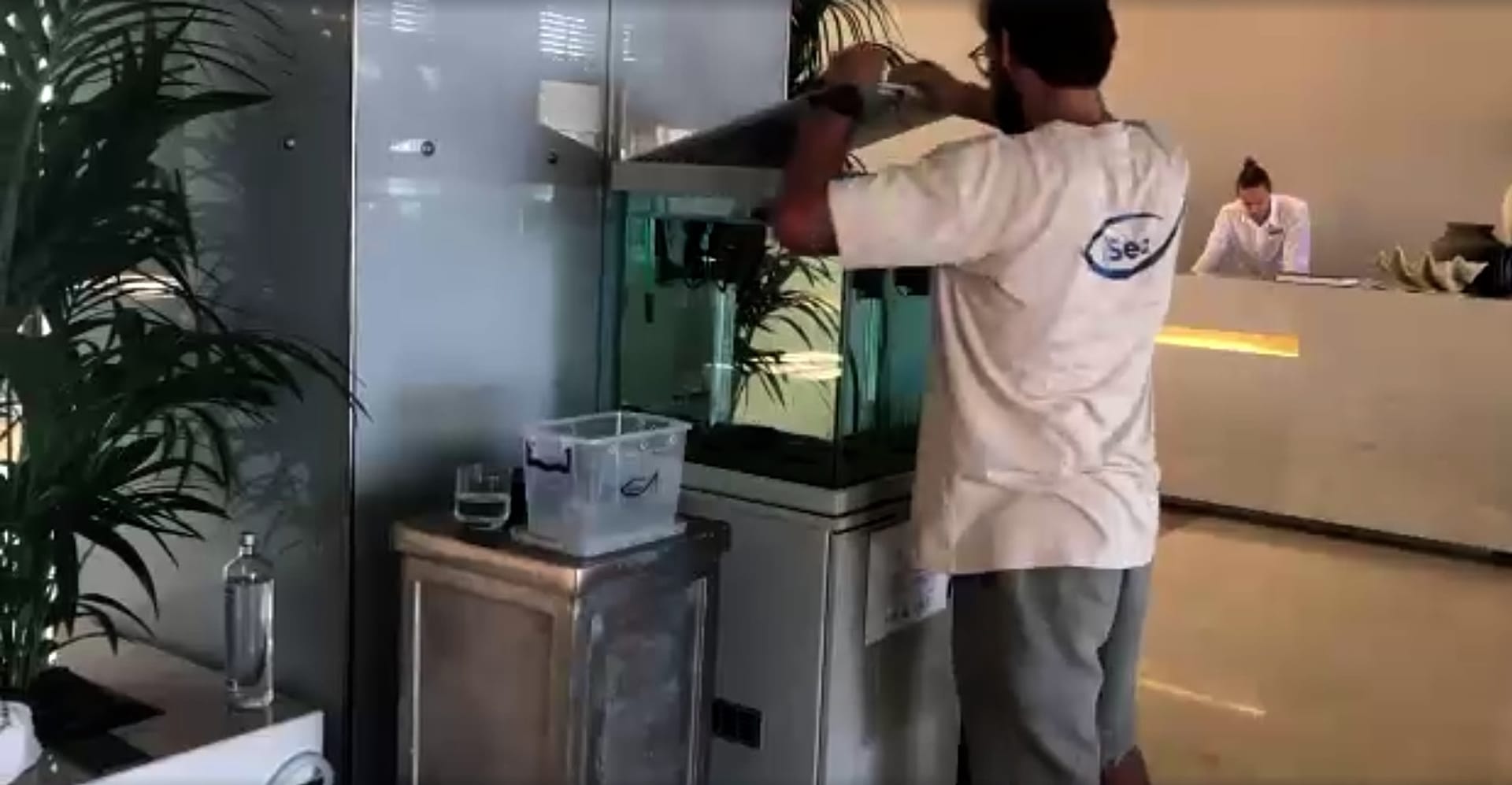
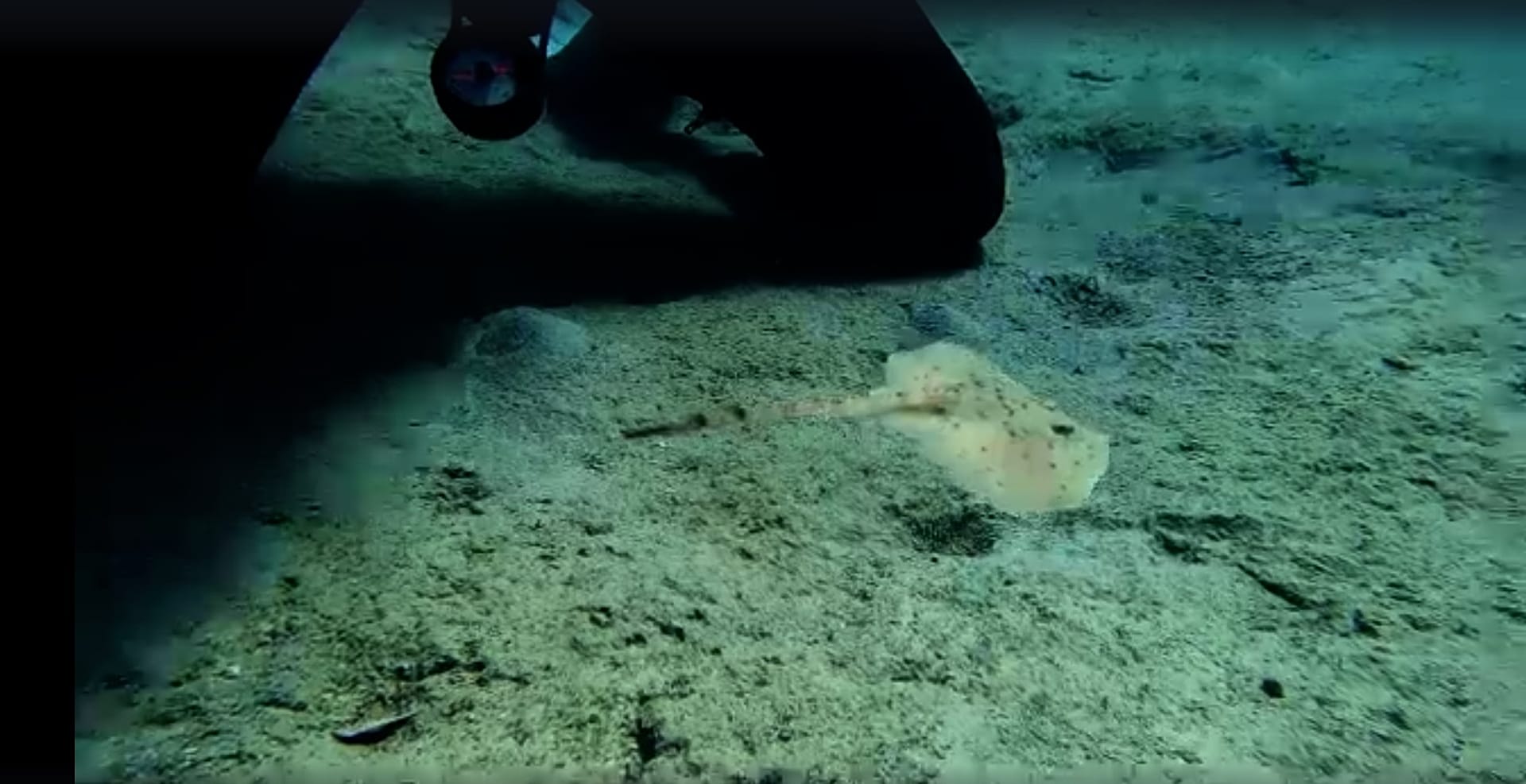
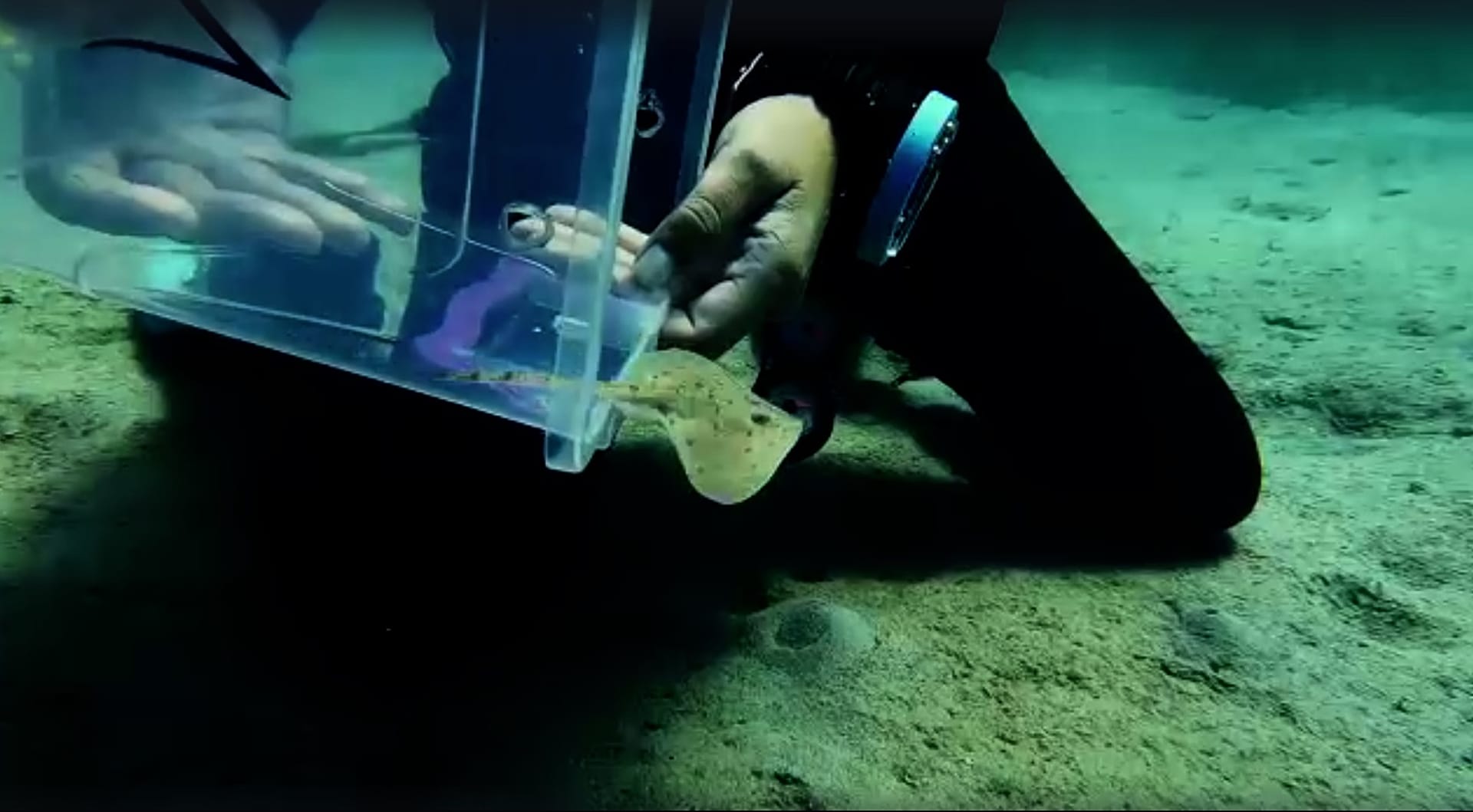
In the Thermaic Gulf near the Halkidiki peninsula, a rescue program is underway for the thornback ray, or Raja clavata, known in Greek as «kalkanatos». Five egg cases, including one shown to Euronews, were found in fishing nets and moved to a specially equipped aquarium as part of the Thermaikos Biodiversity Project — a program to protect the biodiversity of the northern Aegean Sea. The outlet's camera captured the first movements of a newborn ray just a few minutes after hatching.
How the program works
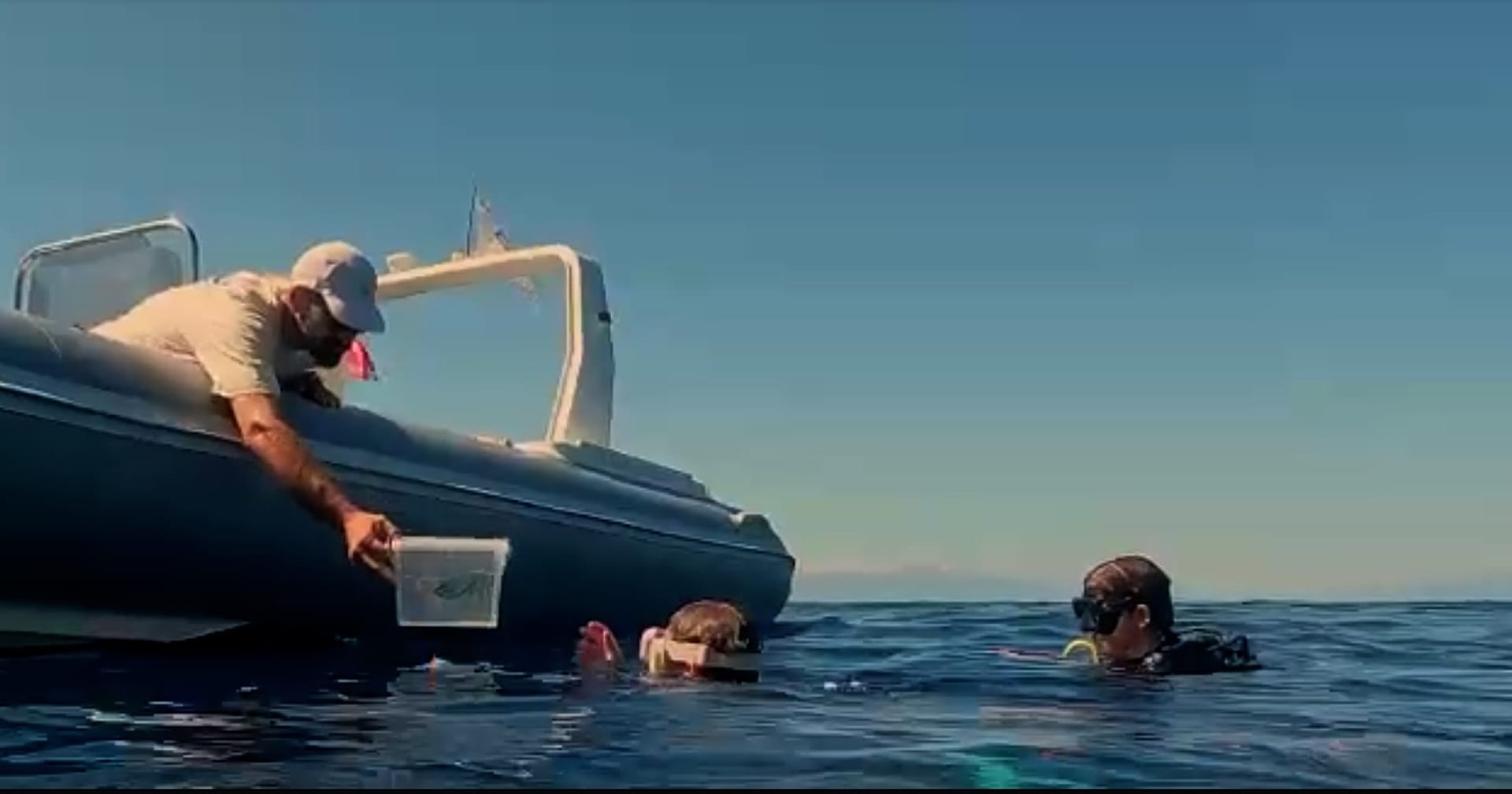
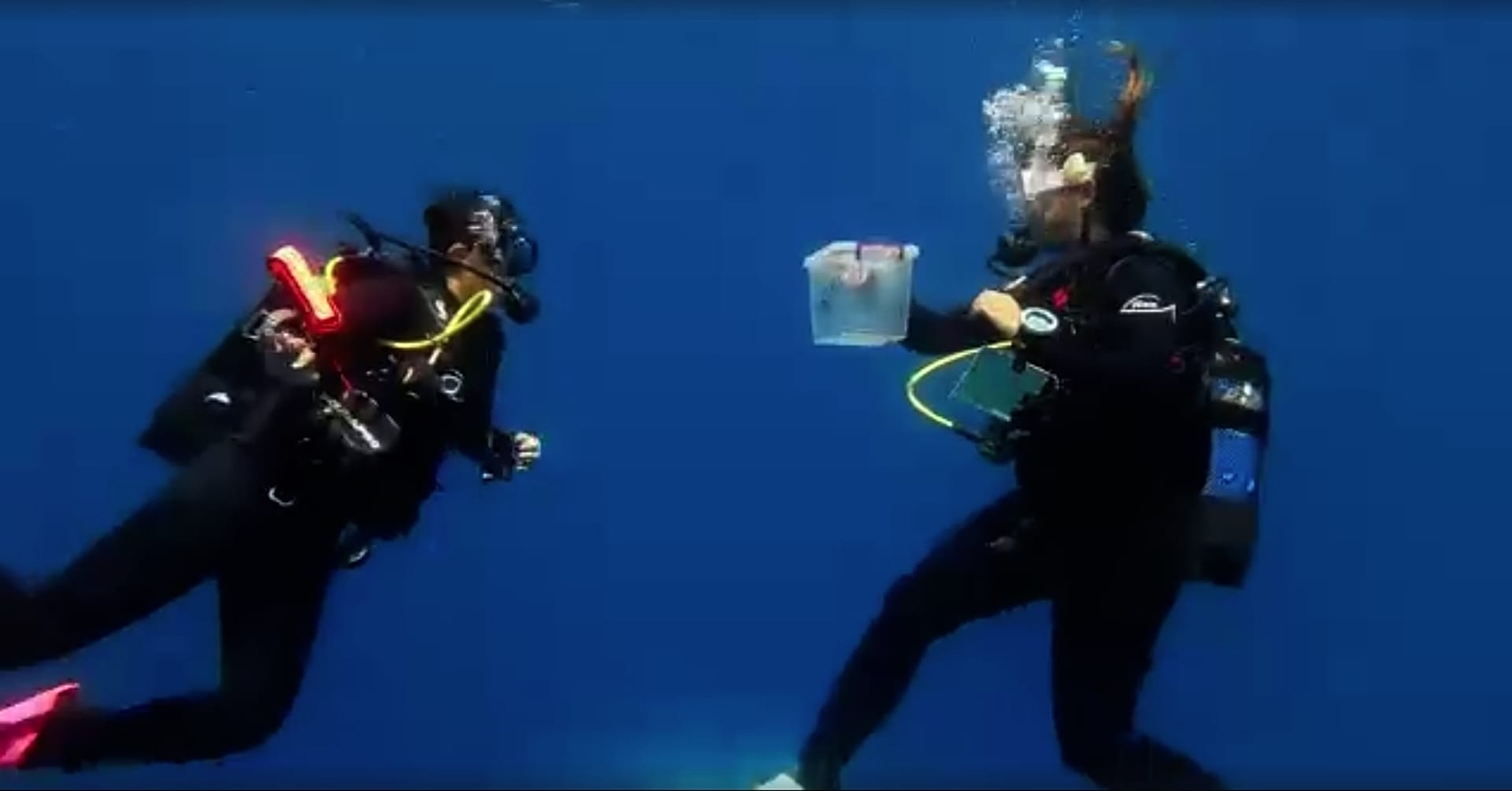
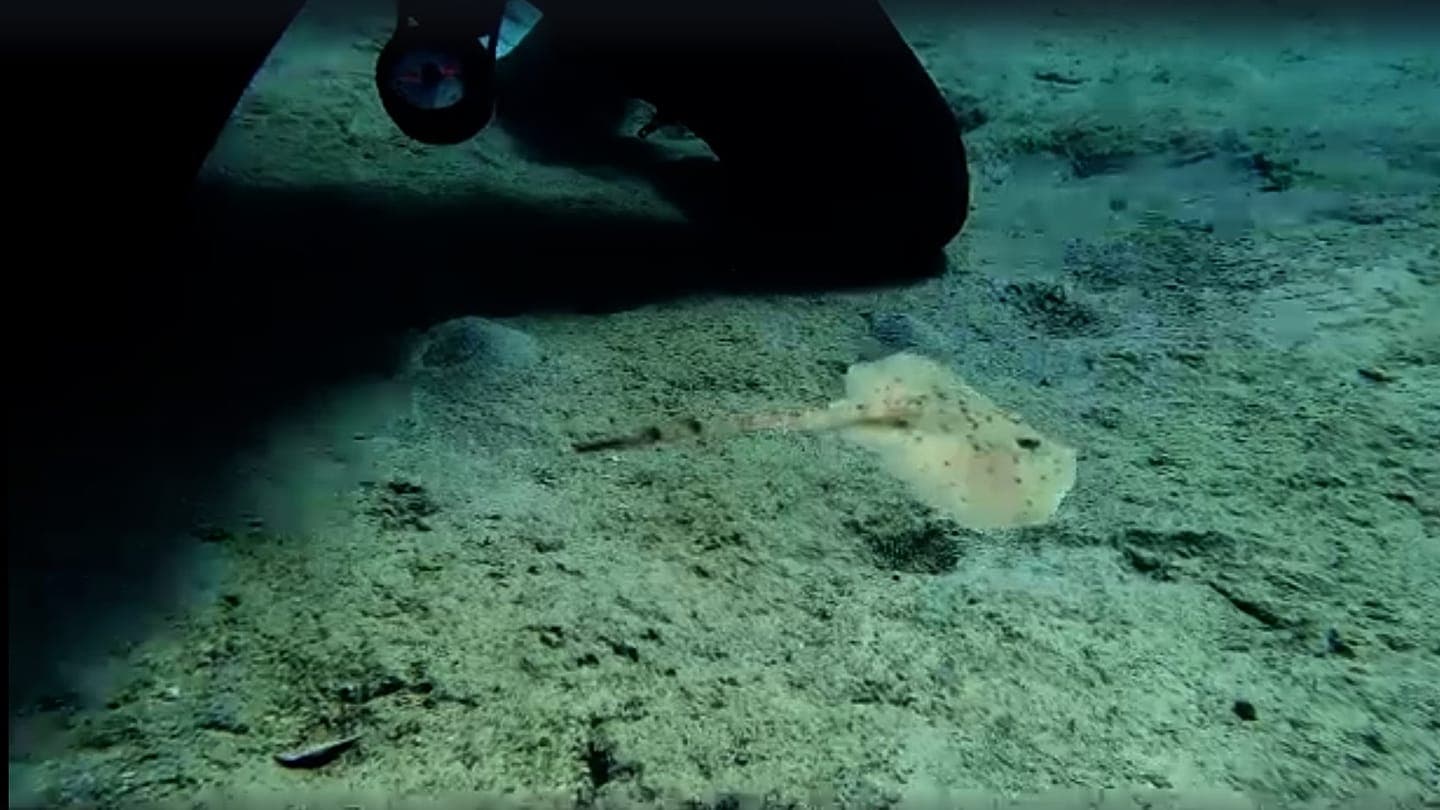
The aquarium is located on the grounds of the Sani hotel on the Kassandra peninsula; it recreates natural conditions — suitable temperature and other environmental parameters — first for hatching and then for the survival of the newborns. The project's scientific director João Bernardo explains that the program gives eggs removed from nets a «second chance»: after hatching, the rays are observed for scientific purposes in cooperation with the Lamna institute in Valencia, and a few days later divers from the environmental organization iSea release them into the sea at a specific depth, where the temperature and water quality are close to those of the aquarium.
Why it matters and what has been achieved so far
The initiative aims to mitigate the effects of bycatch: when a pregnant female ray is accidentally caught in nets, the stress may cause her to prematurely release her eggs, which usually die before completing their development. According to the Greek Red List, almost half of Greece's ray species are threatened with extinction, and more than 37% of all shark and ray species worldwide are at risk; the main threat is bycatch. In 2026, two thornback rays hatched through the described procedure and have already been released in the Halkidiki area, while other eggs remain under observation. This confirmed that the first successful hatching of a ray egg in Greece last year was not an isolated case. The project itself began five years ago with the aim of monitoring the dolphins of the Thermaic Gulf and has since expanded its activities, combining scientific research with the protection of marine life.