The key facts
- 33 electronic certificates for guide dog food worth 83.9 thousand rubles each have been issued in Moscow and the Moscow Region
- Since 2023, nine residents of the region have been provided with guide dogs, and nine more dogs are undergoing paperwork and training
- The food certificate has been in effect since March 2026; the annual dog maintenance compensation in 2026 is 39,951.15 rubles
A new support measure has come into effect in the capital region
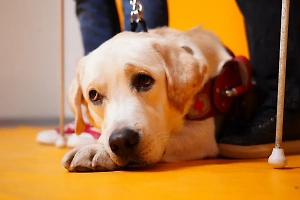
Since the new support measure came into effect, residents of Moscow and the Moscow Region have been issued 33 electronic certificates for purchasing food for guide dogs. Each certificate is worth 83.9 thousand rubles, as reported by the regional branch of the Social Fund of Russia ( Life.ru ). The certificate has been in effect since March 2026 and complements the existing annual compensation for dog maintenance and veterinary care, which amounts to 39,951.15 rubles in 2026.
How many blind residents have received dogs
According to the agency, since 2023 nine residents of the capital region have been provided with guide dogs. Nine more four-legged helpers are going through the paperwork and training stages. Thus, food certificates have been issued in a noticeably larger number than the dogs already handed over: this is explained by the fact that the certificate is issued to current owners, not to new recipients of animals. For blind people, such dogs allow them to move around the city independently.
How dogs change owners' everyday lives
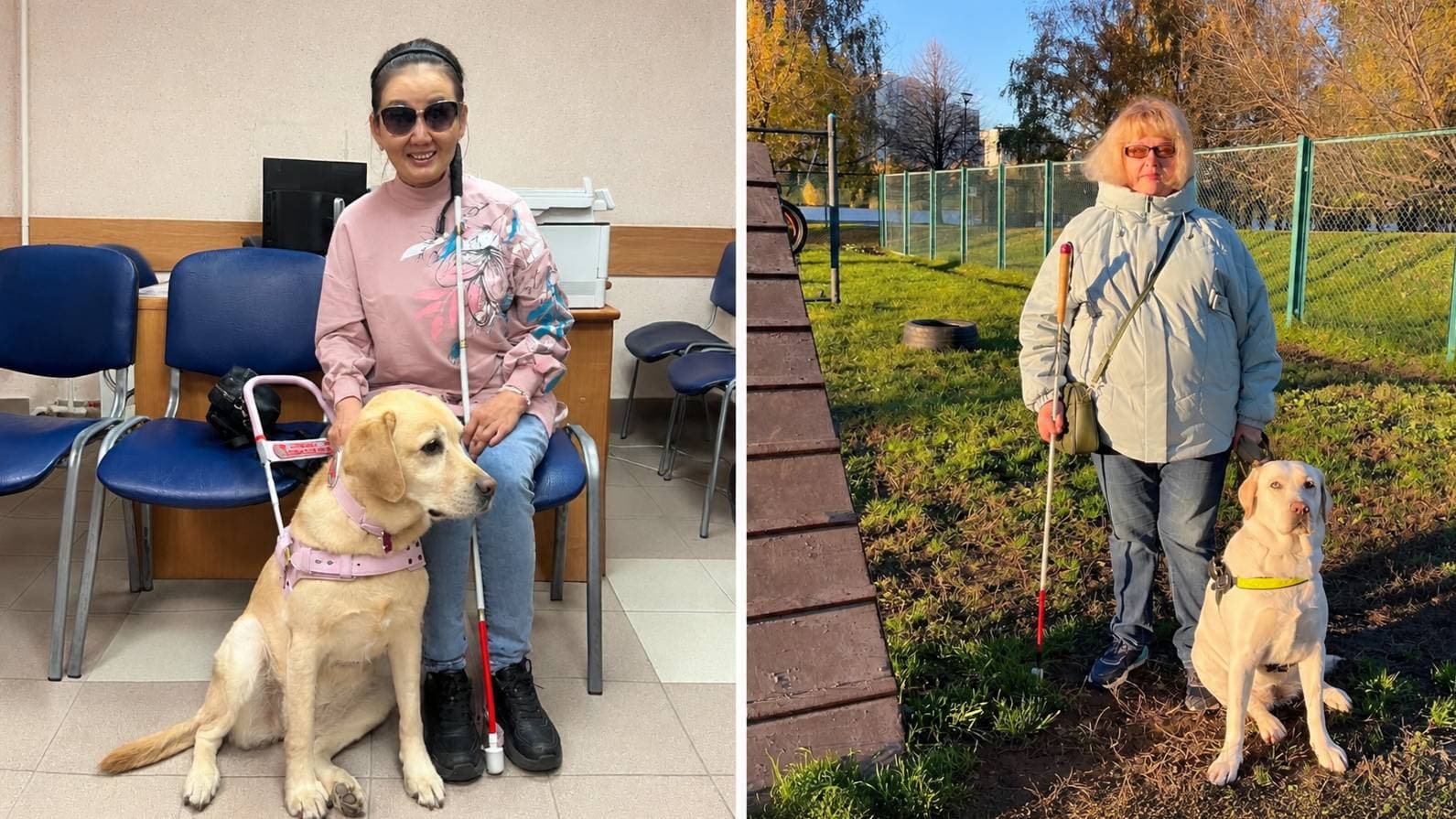
The publication tells the stories of two residents of the region. Muscovite Aryuna Soktueva lost her sight at the age of seven, has earned several qualifications and continues to work: with her dog Vita, she rides public transport, visits museums, gives tours and teaches English. «Vita is my «eyes». The dog really does help me get around the city,» she said. According to her, the dog memorizes routes, finds pedestrian crossings, bus stops, entrances to the metro and to institutions; once, instead of a government office, Vita tried to lead her owner to a bakery. Nadezhda Nedashkovskaya, after losing her previous guide dog, rarely left home for almost a year, but with the arrival of the Labrador Tsonya she again walks to shops on her own, uses transport and plans trips. «With a dog came the confidence that any distances and new routes are within your power,» she shared.
How to get a guide dog
The Social Fund explained that a specially trained dog can be obtained free of charge if it is provided for by an individual rehabilitation and habilitation program (IRHP). An application can be submitted via Gosuslugi, at a client service office of the SFR or at an MFC. Future helpers are trained at two specialized centers in Balashikha; owners are taught how to interact with the animals, and the costs of training, accommodation, meals and travel are covered by the Social Fund. «Our task is not simply to help a person with a disability get a faithful companion with a set of equipment, but to make sure that the four-legged friend helps in everyday life and that caring for it does not create a financial burden,» emphasized Marina Gordova, head of the department for work with preferential-category citizens at the regional branch of the SFR.