The key facts
- The Wall Street Journal reports on European officials' alarm over US proposals to Russia
- On November 10, Russia-Ukraine talks mediated by the US began in Abu Dhabi
- Lavrov considers it reasonable to first define the security architecture, while Germany insists on keeping the old one
Alarm in Europe
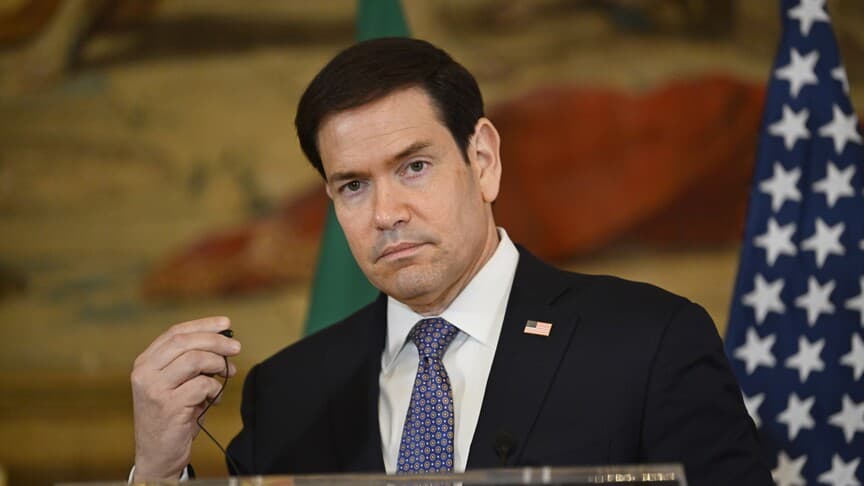
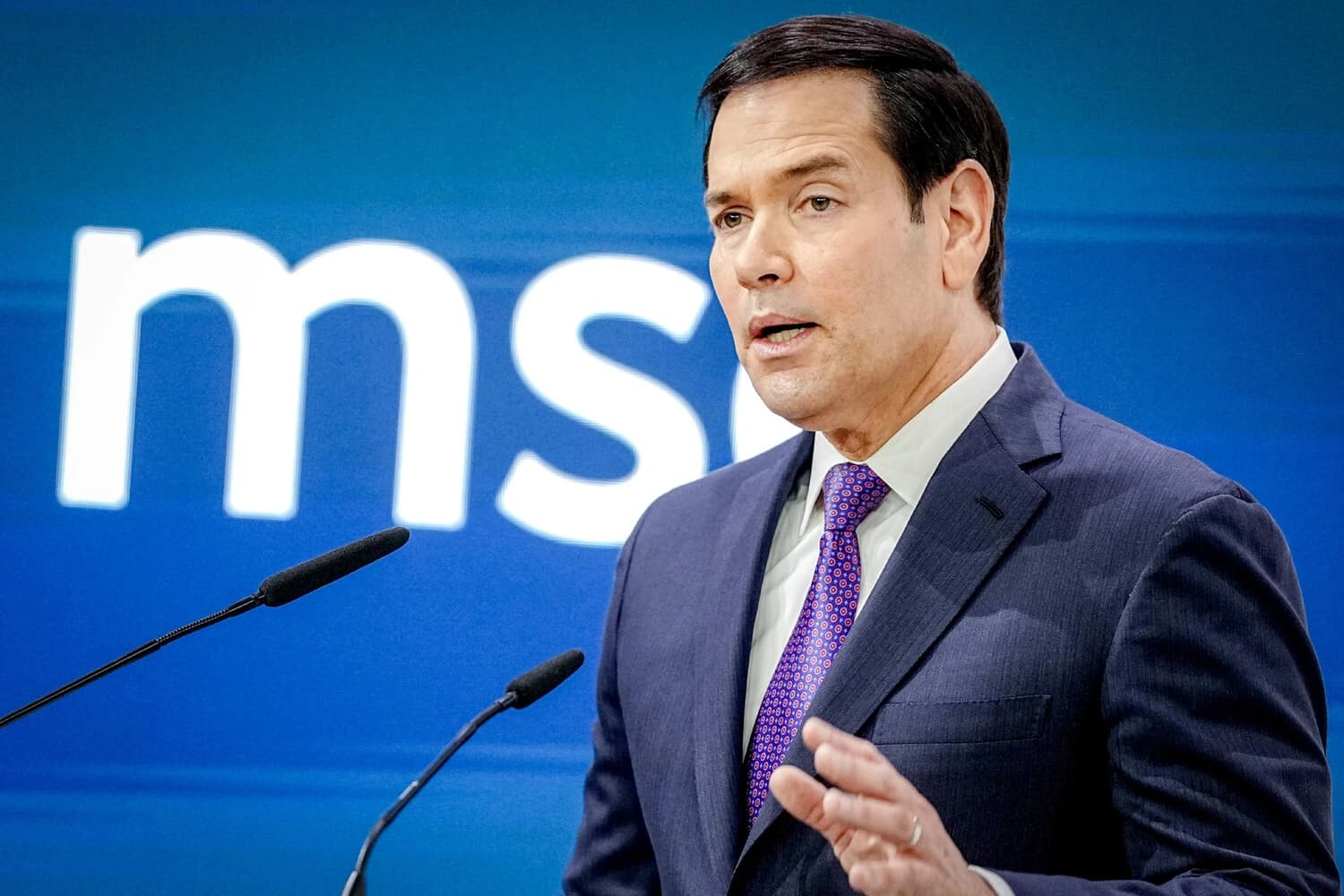
The US proposal to Russia to establish a new European security system is causing alarm in Europe. This is reported by the Wall Street Journal citing the views of European officials and analysts: in their assessment, the White House's new approach risks giving Moscow the opportunity to secure concessions on European security matters. In recent days, American officials have stated that the conflict in Ukraine has shown the failure of the existing mechanisms for ensuring security in Europe. 'We must create something new that will work today,' one American official said on the eve of the talks in Abu Dhabi.
Fears of deals made 'behind their backs'
Andrew Weiss, a former US national security official, recalled that for decades US policy was based on the premise that Russia should have a voice, but not a veto, on European security matters. 'It is not surprising that Ukrainians and Europeans are deeply concerned that deals may be made behind their backs,' he stressed.
Talks in Abu Dhabi and the parties' positions
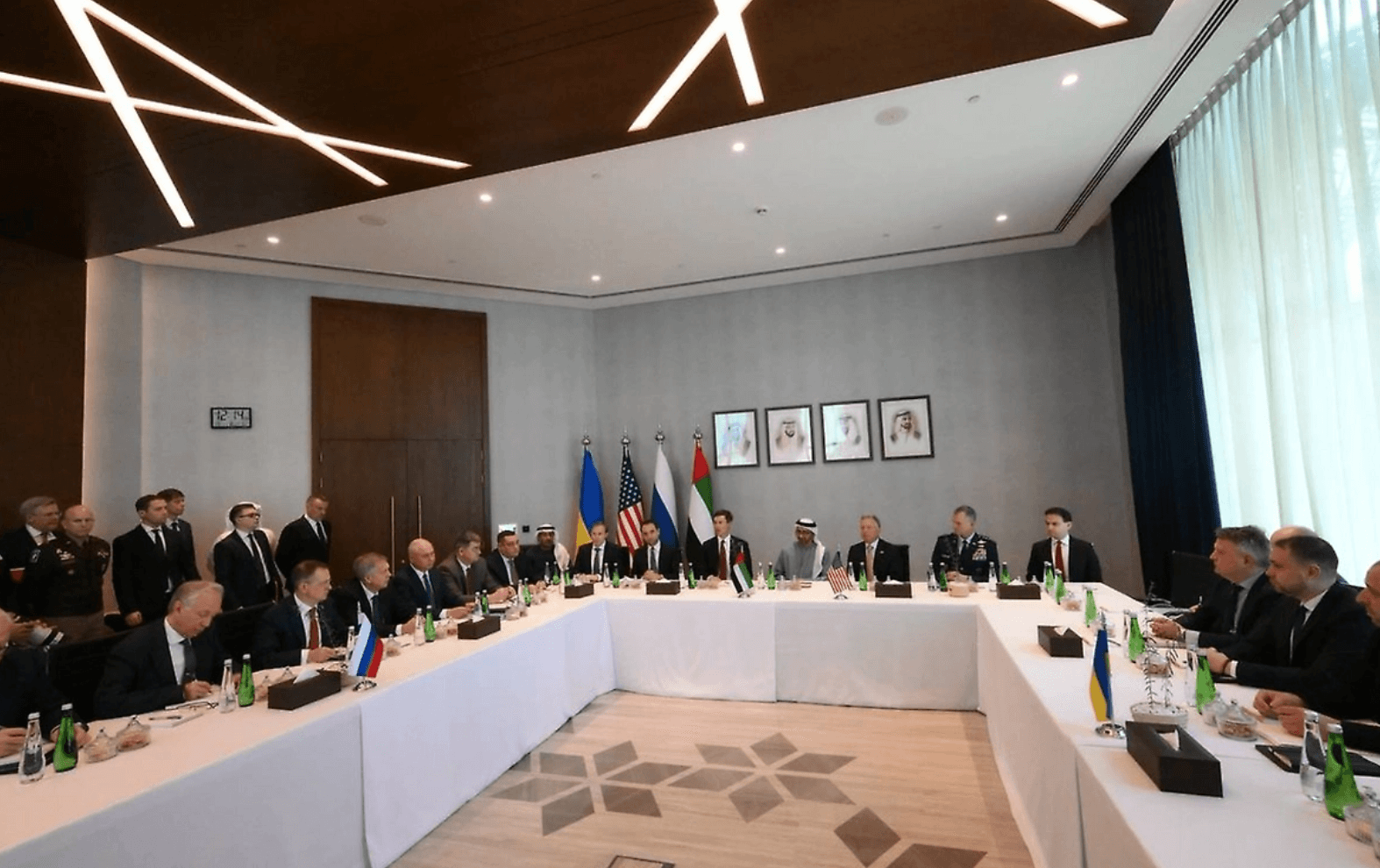
On November 10, Abu Dhabi hosted the first day of talks between the delegations of Russia and Ukraine mediated by the United States. According to RBC-Ukraine, security guarantees for Ukraine and the future architecture of European security were discussed. The same day, Russian Foreign Minister Sergey Lavrov statedthat it is 'absolutely reasonable' to first define clear parameters of the future security architecture and only then move to resolving the conflict in Ukraine. The European position, however, diverges from the American one: on November 9, German Foreign Minister Johann Wadephul emphasizedthat Europe needs not a new, but the old security architecture. Earlier, the European reaction had already been provoked by Jared Kushner's remarks about the security architecture.