The key facts
- The controller and the station master of Al-Rikka have been detained; the driver's assistant is also being questioned in custody
- Investigators established that the driver of the Giza–Fayoum train switched off the automatic control system
- A committee of Cairo University professors has been set up to review the entire railway safety system
Detentions and the first findings of the investigation
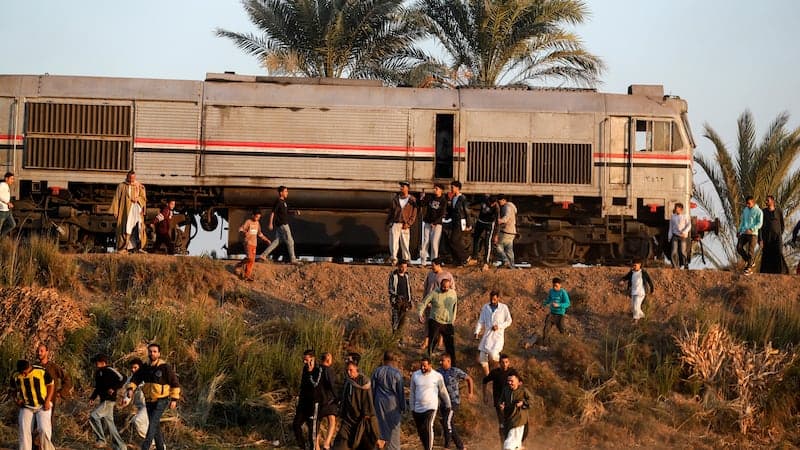
Egypt's prosecutor's office has secured the detention of two railway employees over the train collision south of Cairo on Sunday, which killed seven people and injured more than 120. This was reported by The National citing a statement from the prosecutor's office.
What investigators established
A technical examination showed that the driver of the train traveling from Giza to Fayoum had switched off the automatic control system; he died in the crash. The prosecutor's statement does not explain why he might have done so. The train rammed the rear of a stationary Cairo–Aswan train at speed, and several carriages derailed. Injured passengers told investigators that the train had been traveling fast from the moment it departed El-Ayat station until the collision.
The station staff's actions
The controller and the station master of Al-Rikka admitted during questioning that they had not been monitoring the panel displaying the status of the light signal. One of the detainees — the controller — is believed to have altered the signaling log to conceal his failure to perform his duties. The head of the signaling and communications service confirmed this failure. The driver's assistant is also being held for questioning.
Widening the investigation and political pressure
Attorney General Mohamed Shawky ordered a committee of engineering professors from Cairo University to inspect equipment, staff supervision, signaling and monitoring systems across the entire railway authority, including an assessment of how effective investment in accident prevention has been. The committee will review files from past crashes for recurring causes and will identify everyone whose negligence contributed to the disaster, 'regardless of position' — meaning the investigation goes beyond the actions of the locomotive crew and station staff. The chairman of the railway authority and senior officials responsible for infrastructure, maintenance, operations, safety and signaling have been questioned.
Calls for resignation and the minister's apology
The crash triggered a wave of calls for the resignation of Transport Minister Kamel el-Wazir, including from politicians within the pro-government coalition; critics question whether spending on major transport projects has actually translated into real improvements in passenger safety. During a visit to the central El-Wasta hospital in Beni Suef on Monday evening, el-Wazir apologized to the injured and their families and promised that those responsible or negligent 'will not escape punishment.' The prosecutor's office also ordered a broad review of the railways' operations and an examination of whether years of safety modernization have actually helped prevent accidents and loss of life.