The key facts
- Denmark adds 500 million kroner (EUR 66.9 million) to the initial 700 million kroner for the Gefion supercomputer
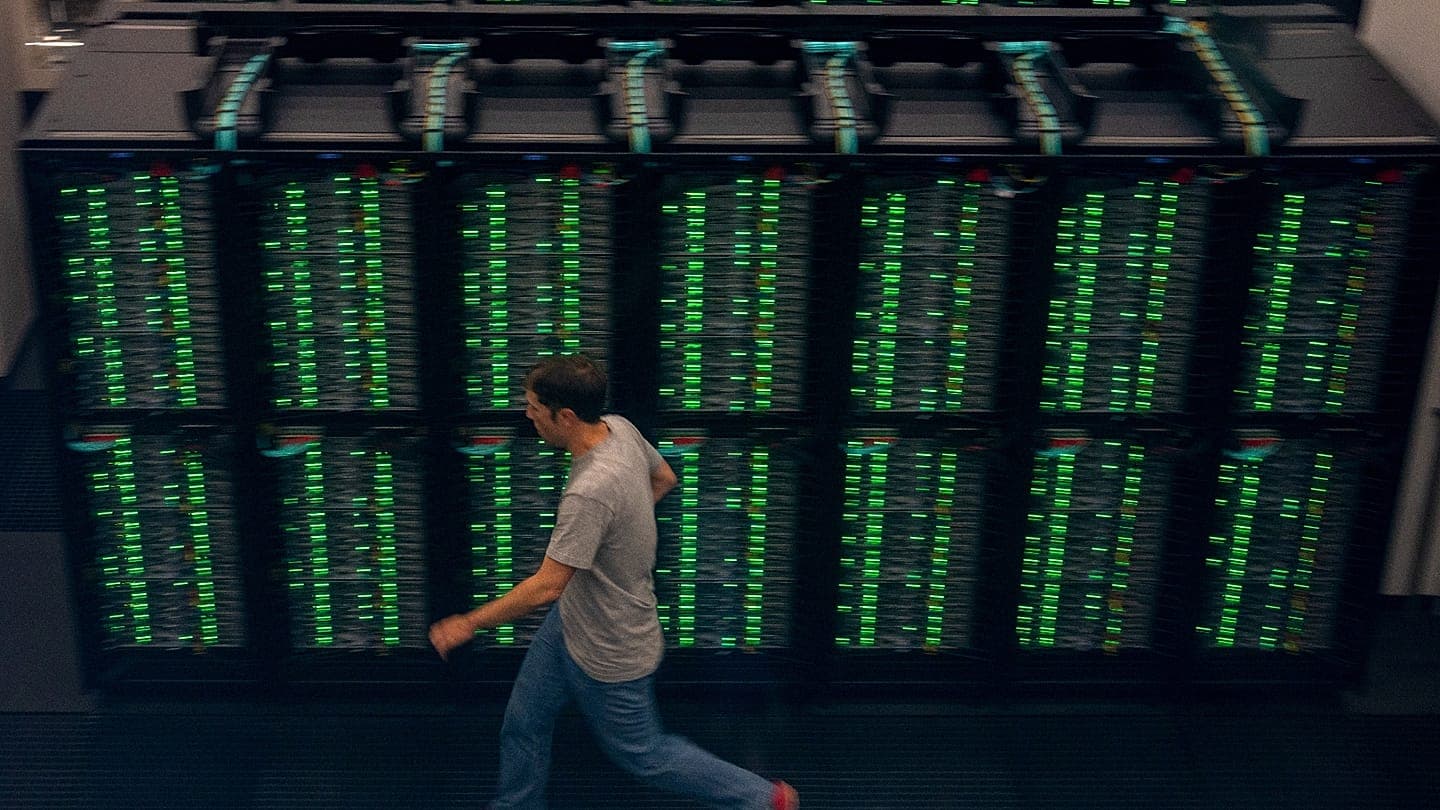
- The supercomputer, launched in 2024 with 1,528 Nvidia chips, is almost fully utilized
- Netcompany joins the investors and will provide software for access management and security
An additional 500 million kroner for Gefion
Denmark announced on Tuesday that it is allocating a further 500 million Danish kroner (EUR 66.9 million) for one of the world's most powerful supercomputers, supported by the Novo Nordisk Foundation. The funds will go toward the infrastructure and operation of the Gefion machine at the Danish Centre for AI Innovation (DCAI), which runs it, according to a statement by Denmark's Export and Investment Fund. Details of exactly how the money will be used and when the additional capacity will become available have not yet been disclosed.
Why new money was needed
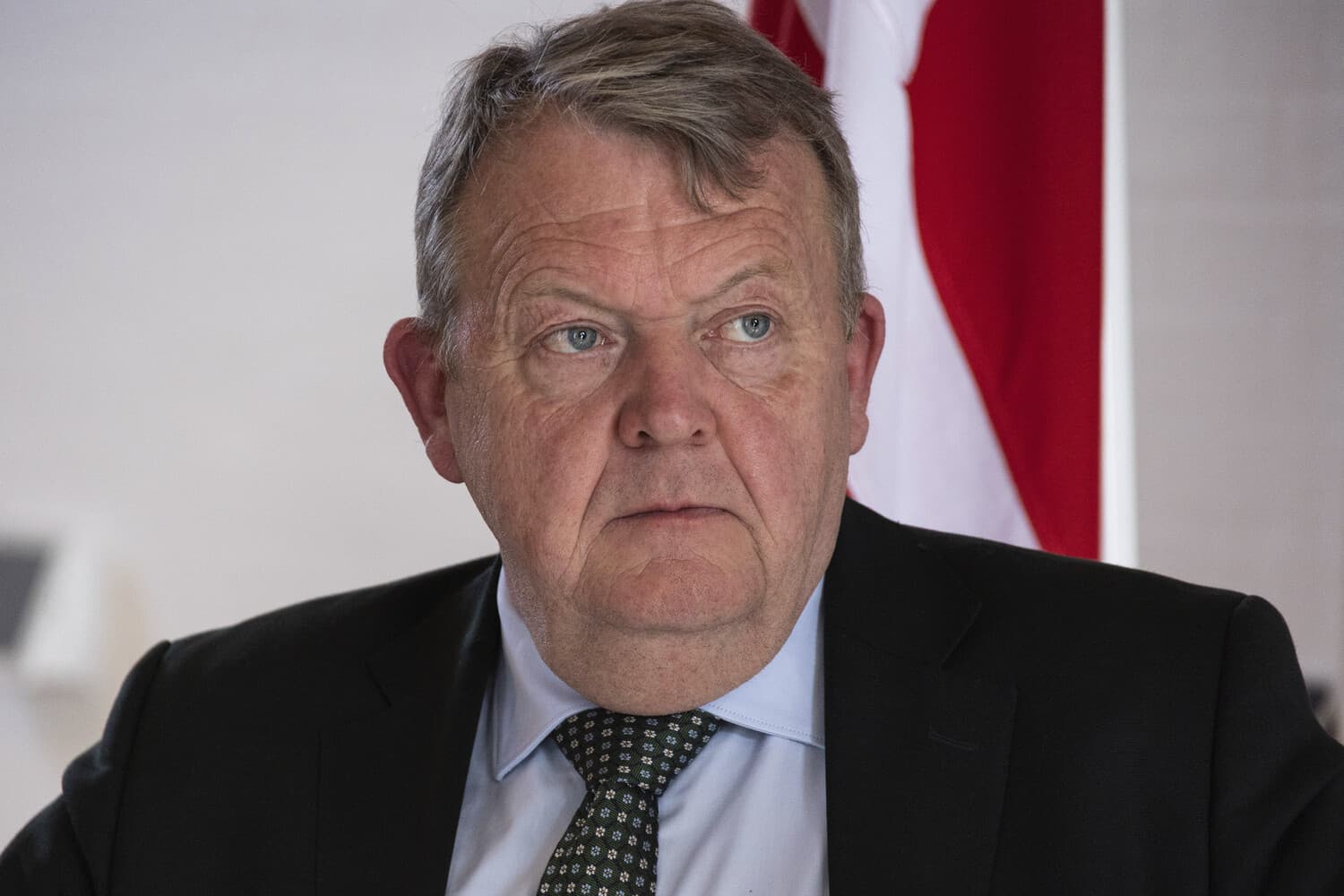
Gefion was launched in 2024 with 1,528 Nvidia chips, and according to the centre, the machine is now almost fully utilized. The new investment adds to the initial 700 million kroner (EUR 93.8 million) from Denmark's state investment fund and the Novo Nordisk Foundation — the Danish foundation behind the maker of weight-loss and diabetes drugs such as Ozempic. The goal is to turn expanded access to computing resources into economic growth. «This gives Danish companies and researchers more computing power to turn good ideas into new solutions, companies and jobs,» said Minister for Business and Competitiveness Morten Lidegaard, adding that it will strengthen competitiveness and ensure that «ownership of the technologies of the future does not remain with others.» Another aim is to help public institutions and businesses use AI while keeping control of sensitive data.
A new investor and the European context
Danish technology company Netcompany, which builds and operates IT systems for the public sector, including for NHS England, is joining the centre's investors. It will provide software for managing access, monitoring and security. The announcement comes as European governments step up efforts to gain greater control over AI development infrastructure: the UK invested £225 million (EUR 269 million) in an AI research supercomputer in 2023, Finland hosts the EU co-funded LUMI supercomputer with a total cost of more than EUR 200 million, and in July the European Commission launched a call to build up to seven «AI gigafactories» with support of up to EUR 10 billion from EU and national budgets. «Europe must be able to do far more itself, and Denmark must contribute to European technological independence, not least so that we can regulate and develop technology based on democratic values,» said Minister for Research, Education and Digitalization Christina Egelund.