The key facts
- From January 1, 2027, an annual quota of 300,000 tonnes is introduced for imports of white sugar
- The Central Bank forecasts a decline in food inflation in 2027 but gave no separate forecast for sugar prices
- UzBev estimates the country's annual sugar demand at 650,000–700,000 tonnes
The regulator's position
At a press conference on November 4, Central Bank Deputy Chairman Nodirbek Achilov commented on the possible impact of restricting sugar imports on food inflation in Uzbekistan. According to him, the regulator forecasts a decline in food inflation in 2027 compared with the current level, and sees no significant risks associated with a single type of good: sugar is part of the consumer basket of 517 goods and services, but in 2026 its prices formed relatively stably, which partly offset the price increases of two to three years ago. Gazeta reports this.
What went unanswered
Achilov did not give a separate forecast of how sugar prices will change after the quota takes effect on January 1, 2027, and did not answer a journalist's question about whether the government's decision had been discussed with the Central Bank and whether its possible impact on food inflation had been assessed before it was adopted.
The essence of the quota and the scale of imports
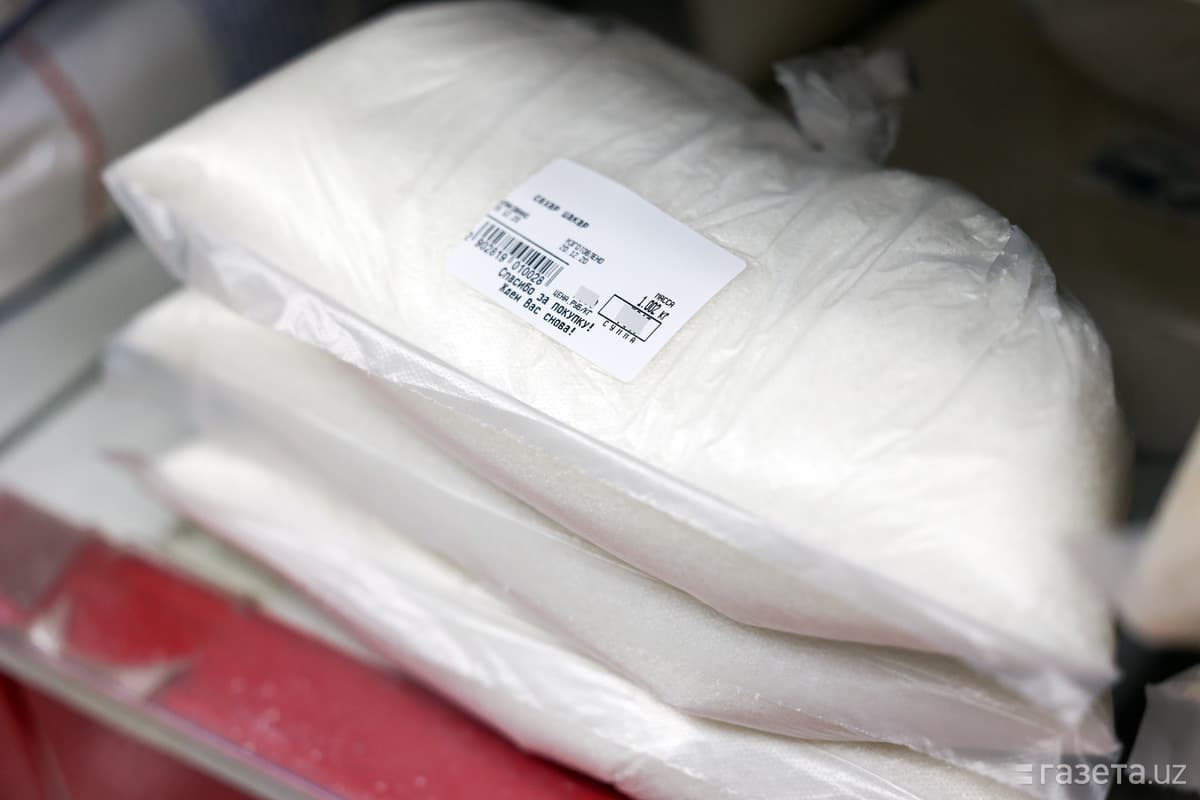
According to government resolution No. 417 of July 30, 2026 marked 'for official use,' from 2027 imports of white sugar for the food industry will be limited to an annual quota of 300,000 tonnes; within the quota, 100,000 tonnes will be distributed among producers of beverages, confectionery and other products through online auctions. The procedure for supplies above the quota has not been specified. For comparison: in the first nine months of 2026, Uzbekistan imported 652,800 tonnes of sugar and raw sugar worth $440.1 million — 36% more than in the same period last year, meaning the quota covers only part of the actual import volume.
Industry warning
The Association of Soft Drink and Juice Producers UzBev spoke out against the quotas and warned that the rising cost of raw materials could increase production costs and intensify inflationary pressure. According to the association's estimate, the country's annual sugar demand is 650,000–700,000 tonnes — noticeably more than the quota volume; the association called for an explanation of how the restrictions will meet the needs of enterprises and how a shortage will be prevented.