The key facts
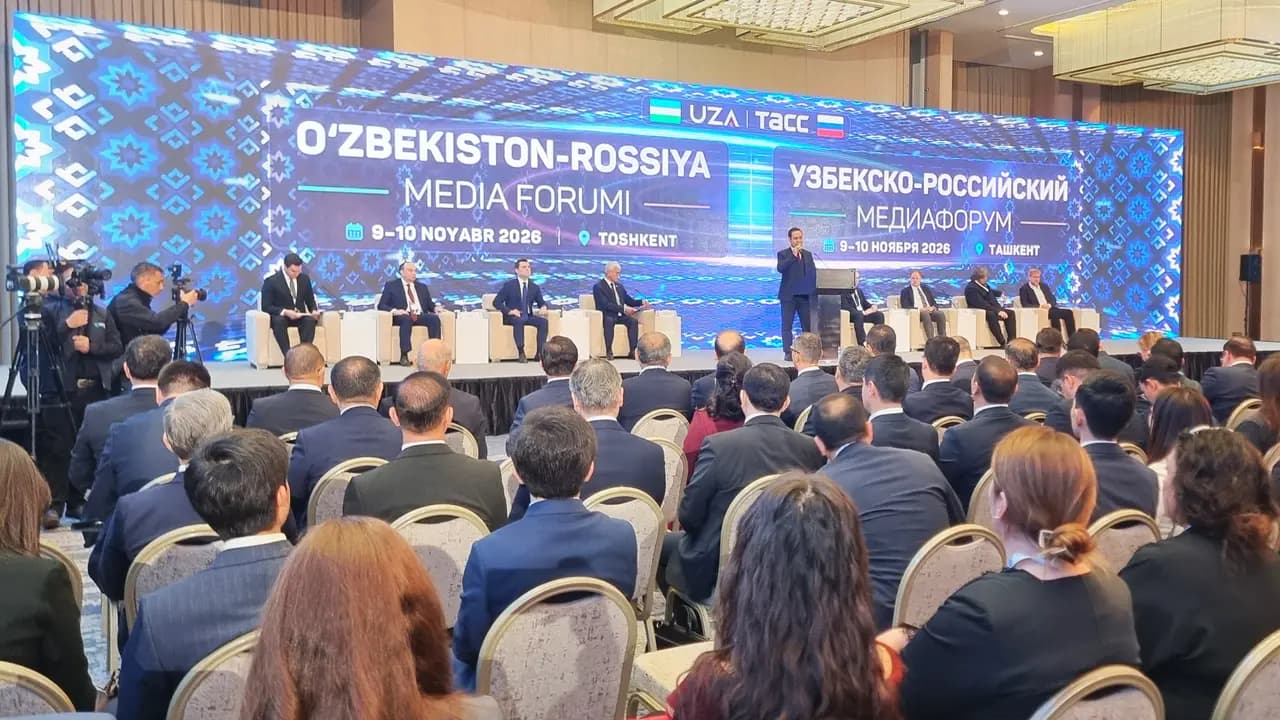
- The III Uzbek-Russian Media Forum is taking place on November 9–10 in Tashkent with the participation of the presidential administrations of the two countries
- Sherzod Asadov: 67% of Uzbek media are non-state, internet penetration is 94%, about 11,000 specialists have been trained to counter disinformation
- TASS invited Uzbek media to the International Fact-Checking Association, which brings together about 150 experts from 50 countries
What is happening in Tashkent
On November 9–10, the III Uzbek-Russian Media Forum is taking place in Tashkent. It brings together representatives of the presidential administrations of the two countries, heads of leading media outlets, journalists and experts. The discussions cover the role of media in developing tourism, sports and humanitarian exchanges, the future of the industry in the digital era, new ways of consuming information, and the national cultural code in media. The forum's progress is reported by Daryo.uz.
Figures of the Uzbek media landscape and the fight against fakes
Press Secretary to the President of Uzbekistan Sherzod Asadov presented data on the state of the industry: 67% of the country's media belong to the non-state sector, internet penetration has reached 94%, and the first national media bank in Central Asia has been launched — a digital archive of verified materials about Uzbekistan, where tens of thousands of photos and videos are already available. According to him, as part of efforts to counter disinformation, an educational platform has been created, on which about 11,000 young specialists have been trained.
Proposals for cooperation
The central thesis of Asadov's speech was the idea of coordinated counteraction to disinformation, which he called «the most acute challenge of our time». «Fakes and deepfakes do not recognize state borders, and fighting them alone means losing in advance», Daryo.uz quotes him. He proposed pooling the expert resources of the two countries, establishing prompt data exchange and developing common standards for information verification, and among promising directions he named joint educational programs, internships, cooperation in fact-checking and projects in the field of artificial intelligence. «Coordinated protection of truth becomes a matter of our common sovereignty in the information space», he said.
Positions of Russian and Uzbek media
TASS Director General Andrey Kondrashov noted that digital platforms and generative AI accelerate the spread of unverified information, and called trust the main professional capital of the media. He said that TASS is one of the founders of the International Fact-Checking Association, which brings together about 150 experts from 50 countries, and invited Uzbek media outlets, journalists and bloggers to join it «free of charge and without any political conditions». For his part, Abdusaid Kuchimov, Director General of the National Information Agency of Uzbekistan, noted a shift in the logic of news agencies' work: promptness is no longer enough, the audience expects explanations of events and reliable context. Kobuljon Akhmedov, Director of the Content Training Center under the Presidential Administration, added that the effect of cooperation should be measured not by the number of forums and agreements, but by content after which a Russian viewer would want to see Samarkand, Bukhara and Khiva; he also said that the Center, established in the summer of 2025, produced over 30,000 media materials in a year, with total views exceeding 2 billion.
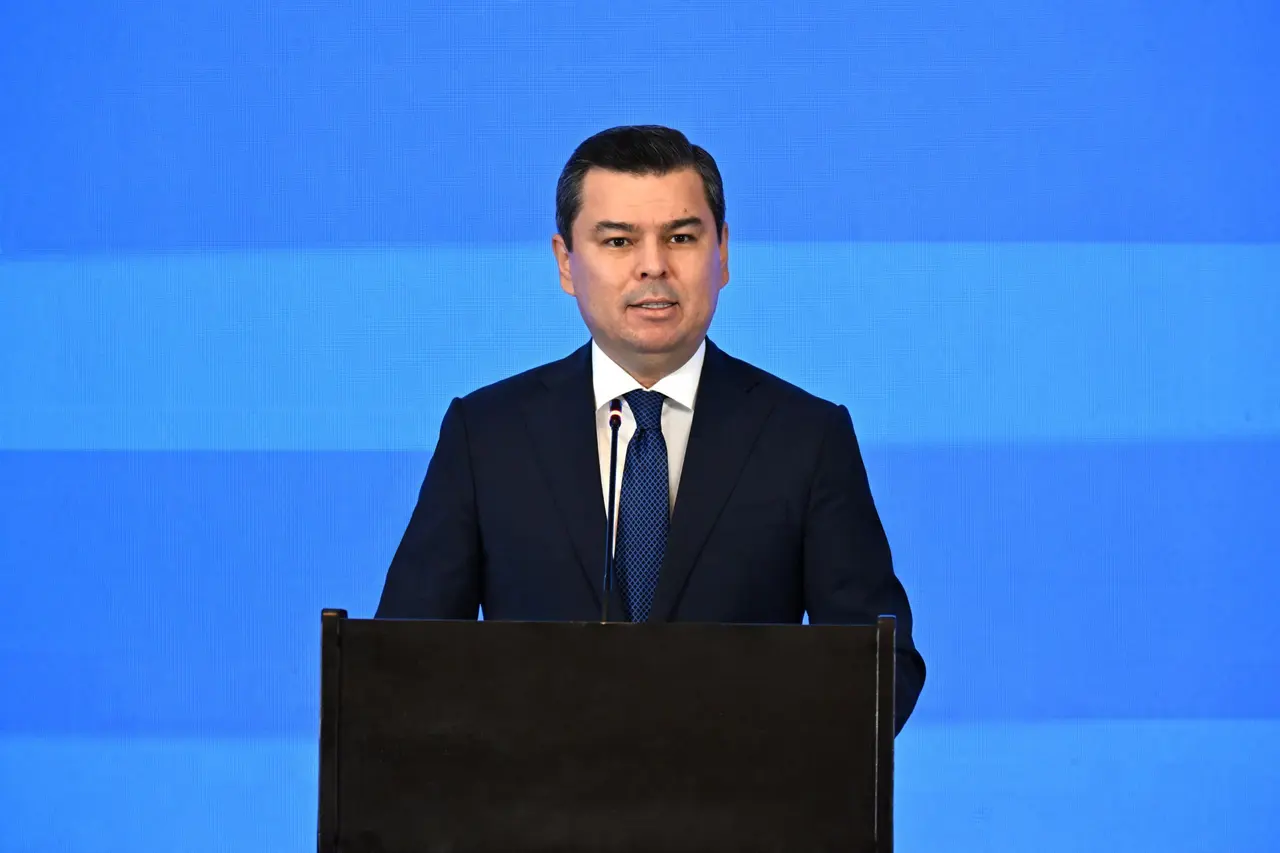
Photo: Press Secretary to the President | Sherzod Asadov
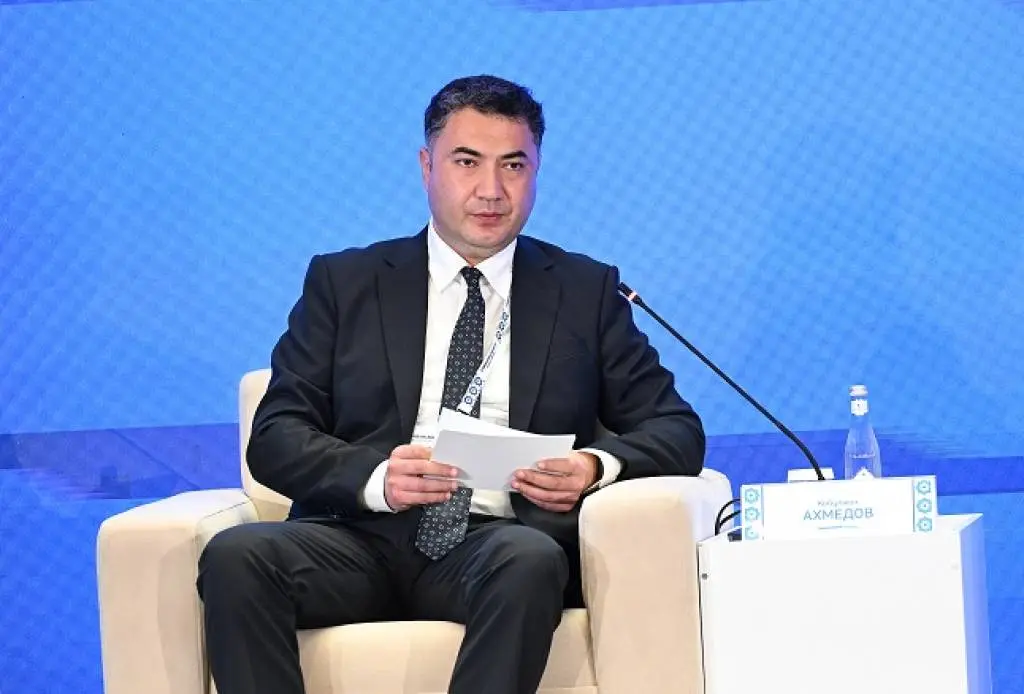
Photo: UzA
Kobuljon Akhmedov, Director of the Media Content Training Center under the Presidential Administration of Uzbekistan
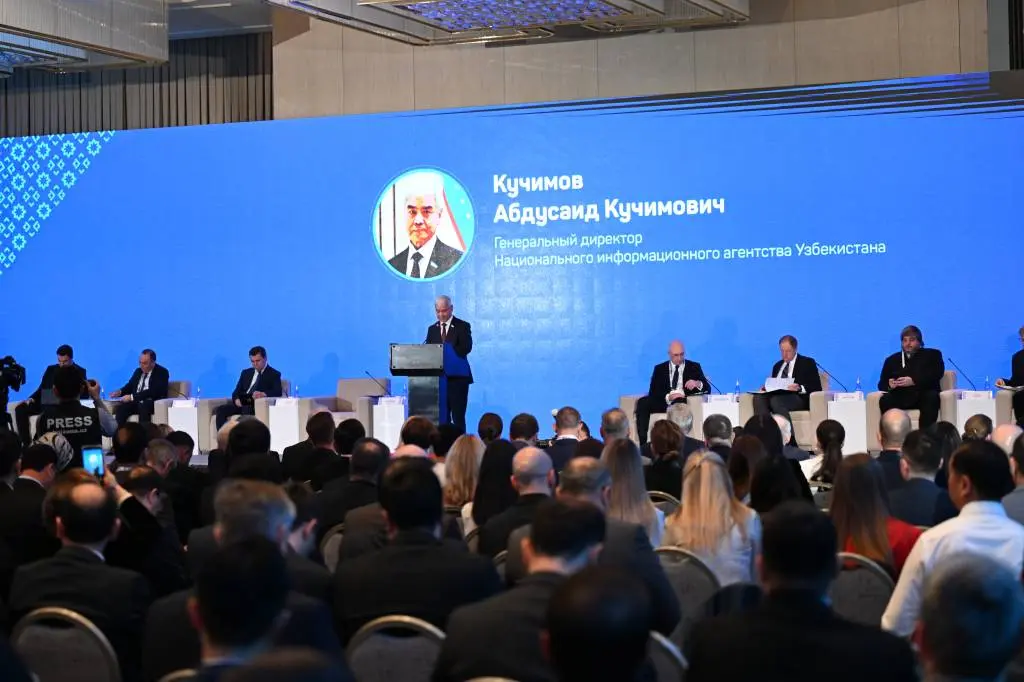
Photo: UzA
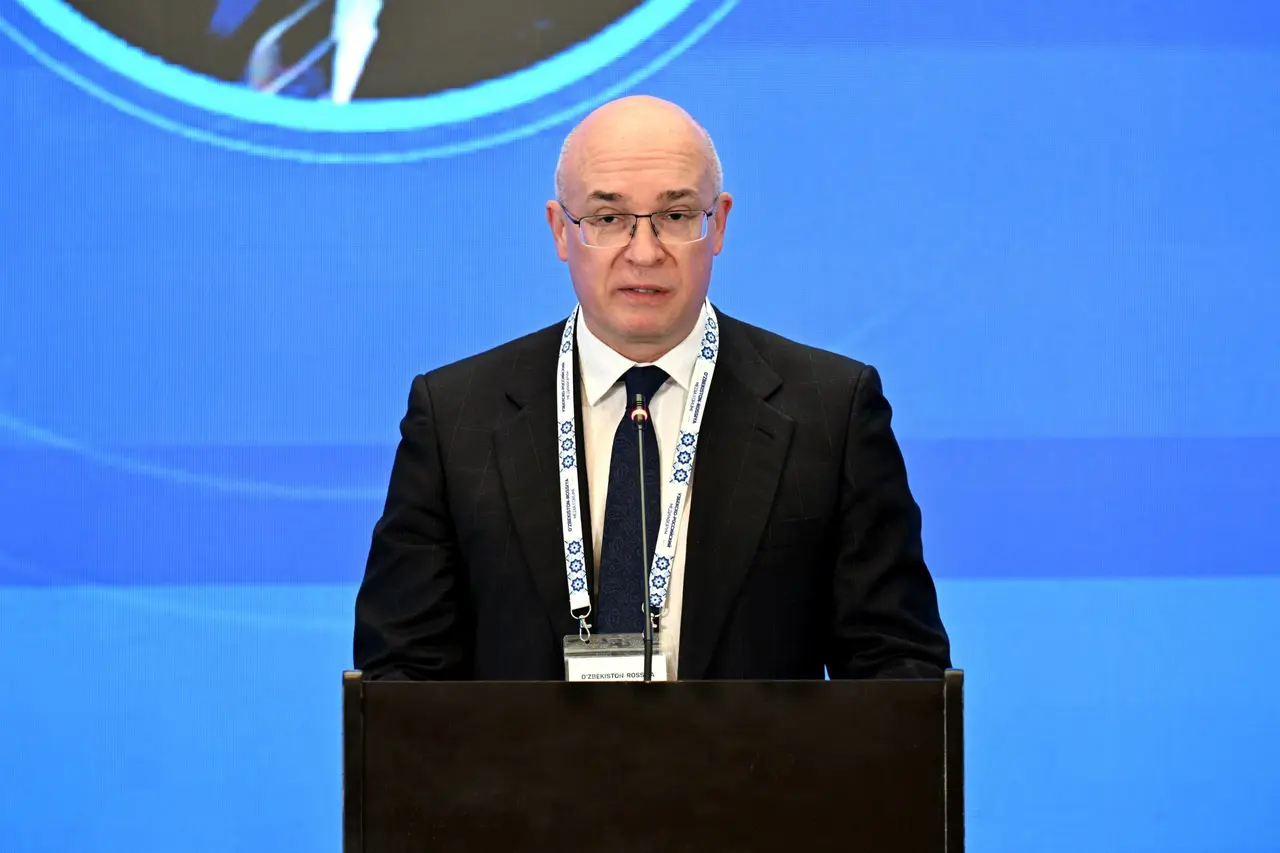
TASS Director General Andrey Kondrashov